
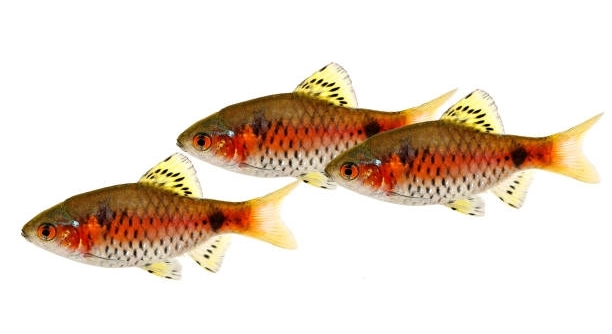
Rosy barbs are popular aquarium fish known for their lively colors and active swimming. Many hobbyists wonder how water flow affects these fish. Understanding their needs helps keep them healthy and comfortable in home tanks.
Rosy barbs do care about water flow rate, but moderate flow is ideal. Excessive current can stress them, while gentle to moderate flow supports their natural swimming behavior and oxygenation without causing harm.
Maintaining the right water flow will improve your tank’s environment and support your rosy barbs’ well-being over time.
Understanding Rosy Barbs and Their Natural Habitat
Rosy barbs originate from slow-moving rivers and streams in South Asia. Their natural environment typically features moderate water flow, allowing them to swim freely without being overpowered by strong currents. In home aquariums, replicating these conditions is important for their well-being. Strong water flow can tire them out quickly and cause unnecessary stress, while still water may reduce oxygen levels, making the tank less comfortable. These fish enjoy having areas where they can swim actively alongside calmer spots to rest. Plants and decorations can help break up the flow and create a more natural setup. By balancing water movement, you create an environment closer to what rosy barbs experience in the wild, which supports their health and vibrant coloration. Paying attention to their specific needs helps avoid common problems like stress-related illnesses and aggressive behavior.
Maintaining moderate water flow promotes a healthy environment, balancing oxygen levels and swimming activity effectively.
Proper tank setup includes a reliable filter with adjustable flow, ensuring that water movement is steady but not overwhelming for rosy barbs.
How to Control Water Flow in Your Aquarium
Water flow control depends mainly on the type of filtration system used.
Filters with adjustable pumps are the best choice for tailoring flow to your tank’s needs. Power filters and canister filters often come with flow controls, letting you reduce speed if the current is too strong. Placing the filter outlet toward the tank’s side or surface can also lessen direct flow impact. Using decorations or plants near the outlet breaks the water’s force, creating gentle currents. Regular maintenance of filters is crucial to keep consistent flow rates. Clogged or dirty filters can reduce water movement unexpectedly, affecting water quality and fish health. Monitoring flow helps you adapt as your tank changes over time, especially if you add more fish or rearrange decorations. Achieving the right balance will keep your rosy barbs comfortable and active without stress.
Signs of Improper Water Flow
If the water flow is too strong, rosy barbs may show signs of stress, such as erratic swimming or hiding constantly. Weak flow can lead to lethargy and poor oxygen levels.
Stress from excessive current can cause rosy barbs to expend too much energy, making them vulnerable to illness. They may also struggle to maintain position in the tank, leading to exhaustion. On the other hand, insufficient flow reduces oxygen circulation, which affects their breathing and overall vitality. In stagnant water, waste buildup increases, creating unhealthy conditions. Both extremes impact behavior and health, so observing your fish closely is key. Adjusting flow based on their activity and tank conditions helps maintain balance.
Regular observation of swimming patterns and behavior can alert you early to flow issues. Keeping a well-maintained filter and testing water quality will support ideal flow and healthy fish.
Effects of Water Flow on Tank Maintenance
Proper water flow helps distribute heat and nutrients evenly, improving the tank’s overall stability. This supports healthy plant growth and waste removal.
A balanced current prevents debris from settling on the substrate, reducing the need for frequent cleaning. It also enhances oxygen exchange at the water’s surface, which is vital for fish and beneficial bacteria. Consistent flow helps circulate filtration media effectively, ensuring waste is processed efficiently. Without adequate water movement, dead spots can form, causing poor water quality and algae growth. Monitoring flow rate ensures your equipment works at its best, minimizing maintenance tasks. Proper water flow keeps the environment clean and stable, benefiting both fish and plants.
Adjusting water flow is a simple yet important step in managing a healthy aquarium with minimal effort.
Adjusting Flow for Different Tank Sizes
Smaller tanks often require gentler water flow to avoid stressing rosy barbs. Larger tanks can handle moderate flow more easily.
In small tanks, strong currents may cause constant agitation, making it hard for fish to rest. Larger tanks provide space for fish to swim freely and find calmer spots. Adjusting flow based on tank size helps keep conditions comfortable for rosy barbs.
Choosing the Right Equipment
Selecting a filter with adjustable flow is essential. It allows customization for your tank’s specific needs and fish comfort.
Filters that offer variable speed settings make it easier to find the ideal flow rate. This flexibility supports both the health of your rosy barbs and the tank’s overall ecosystem. Consider equipment quality and ease of maintenance when choosing.
Monitoring Flow Over Time
Water flow needs can change as the tank matures or the fish grow. Regular checks are important.
Adjustments ensure flow remains suitable for the current conditions and fish behavior.
FAQ
How much water flow do rosy barbs need?
Rosy barbs thrive best with moderate water flow. This means the current should be strong enough to circulate oxygen and nutrients but not so strong that it exhausts or stresses the fish. A gentle to moderate flow mimics their natural habitat and allows comfortable swimming without forcing them to fight the current constantly.
Can strong water flow harm rosy barbs?
Yes, strong water flow can harm rosy barbs by causing stress and physical fatigue. When the current is too strong, fish may struggle to maintain their position and become easily tired. Over time, this stress can weaken their immune systems, making them more susceptible to disease. It’s important to adjust the flow to a level where the fish can swim actively but without difficulty.
What happens if the water flow is too weak?
If water flow is too weak, oxygen distribution in the tank may suffer. This can lead to low oxygen levels, which are harmful to rosy barbs and other aquatic life. Stagnant water also encourages the buildup of waste and toxins, which can degrade water quality and cause health problems. Adequate flow supports proper filtration and keeps the environment healthy.
How can I reduce water flow in my aquarium?
To reduce water flow, you can adjust the filter’s output if it has a flow control feature. Redirecting the filter outlet toward the tank walls or using decorations and plants to block and diffuse the current also helps. Adding sponge covers or flow diffusers can further soften the flow, creating calmer areas for your rosy barbs to rest.
Does tank size affect the ideal water flow rate?
Yes, tank size impacts the ideal water flow rate. Smaller tanks require gentler flow because the space is limited, and strong currents can stress fish more easily. Larger tanks can handle moderate flow better since fish have more space to swim and avoid strong currents. Adjust flow based on both tank size and fish behavior for best results.
Are certain filters better for controlling water flow?
Filters with adjustable flow settings, like canister filters or power filters with variable pumps, are better for controlling water flow. These allow precise adjustment of the current to suit your tank’s needs. Filters without flow controls may produce too strong a current for rosy barbs, making them less ideal unless modified with flow diffusers or outlet adjustments.
How often should I check the water flow in my tank?
It’s good practice to check water flow regularly, at least once a week. Flow rates can change over time due to filter clogging or tank changes such as new decorations or fish. Observing your rosy barbs’ behavior is also helpful. If they seem stressed or avoid swimming, it could indicate flow issues that need adjustment.
Can water flow affect the tank’s plants?
Yes, water flow influences plant health by distributing nutrients and gases throughout the tank. Moderate flow prevents dead spots where debris can accumulate and plants can suffocate. However, very strong flow might damage delicate plants or uproot them. Finding a balance supports both healthy plants and happy rosy barbs.
Is water flow more important than temperature or pH?
Water flow is one of several important factors but not necessarily more important than temperature or pH. Each element plays a critical role in maintaining a healthy aquarium. Proper water flow helps oxygenate the tank and supports filtration, but keeping temperature and pH stable within the ideal range for rosy barbs is equally essential for their health.
Can I use a bubbler instead of adjusting water flow?
A bubbler increases oxygenation but does not replace the need for proper water flow. While bubblers help oxygen levels, they do not circulate water as effectively as a filter system. Using both a suitable filter with controlled flow and a bubbler can improve tank conditions, but flow control remains necessary for the overall well-being of rosy barbs.
Final Thoughts
Water flow plays an important role in keeping rosy barbs healthy and comfortable. These fish prefer moderate flow that allows them to swim actively without causing stress or fatigue. Strong currents can tire them out and make it difficult for them to rest, while very low flow can reduce oxygen levels and make the tank environment less stable. Finding the right balance in water movement helps mimic their natural habitat and supports their overall well-being in the aquarium.
Setting up a tank with adjustable water flow is a practical way to meet the needs of rosy barbs. Filters with variable speed controls are helpful because they let you fine-tune the current to suit your fish and tank size. Decorations, plants, and flow diffusers can also be used to soften strong currents and create calm areas where the fish can relax. Regularly checking the flow and observing your fish’s behavior will help you make any necessary adjustments over time. This ongoing care prevents stress and promotes a healthier environment.
Maintaining proper water flow is just one part of successful fishkeeping. It works together with other factors like water temperature, quality, and tank size to create a stable and comfortable home for your rosy barbs. By paying attention to these details and responding to the needs of your fish, you can enjoy a thriving aquarium. Proper flow management not only benefits the fish but also supports plant growth and efficient filtration. Keeping the water moving at a moderate rate ensures your tank stays clean and balanced for the long term.

Hello,
If you enjoy the content that we create, please consider saying a "Thank You!" by leaving a tip.
Every little bit helps us continue crafting quality advice that supports the health, happiness, and well-being of pets around the world, for pets of all shapes, sizes, and species.
We really appreciate the kindness and support that you show us!