
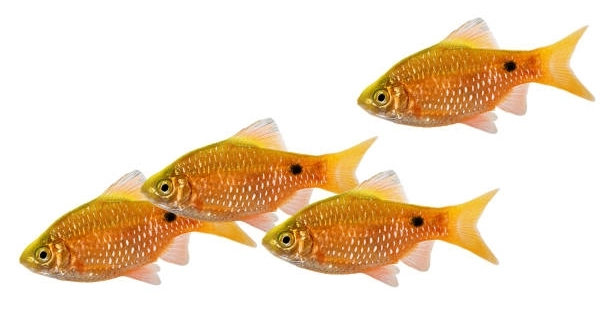
Rosy barbs are popular aquarium fish known for their lively behavior. One common sight is them chasing bubbles in their tank. This activity catches the attention of many fishkeepers and raises interest in why they do it.
Rosy barbs chase bubbles primarily due to instinctual play and environmental stimulation. Bubbles mimic small prey or moving objects, triggering their natural curiosity and hunting behavior. This activity also helps maintain their mental and physical health in captivity.
Understanding why rosy barbs chase bubbles reveals important details about their care and environment. This knowledge can help fish owners create a more engaging and healthy habitat for their pets.
The Reason Behind Bubble Chasing Behavior
Rosy barbs often chase bubbles because it stimulates their natural instincts. In the wild, they hunt small insects and other tiny creatures that move in the water. Bubbles in an aquarium mimic these movements, encouraging the fish to react as if they are hunting. This behavior also helps keep them active, which is important for their health. When bubbles rise in the tank, they provide a form of environmental enrichment, reducing boredom. Without enough stimulation, rosy barbs can become lethargic or stressed. Watching them chase bubbles can be a sign that the fish are comfortable and engaged with their surroundings. Tank conditions, such as water quality and space, also influence how often they display this behavior. Providing aeration or bubble-producing decorations can help meet their need for movement and interaction. This simple action improves their overall well-being in a home aquarium.
Bubbles simulate prey movements, triggering rosy barbs’ instinctual hunting behavior while keeping them physically and mentally active.
Ensuring a proper tank setup with adequate space and aeration allows rosy barbs to express natural behaviors like bubble chasing, which supports their health and reduces stress. Observing this behavior helps owners understand their fish’s needs better and adjust the environment accordingly.
Environmental Factors That Encourage Bubble Chasing
Tank size and water flow play important roles in bubble chasing behavior. A larger tank with good circulation creates more bubbles and currents for the fish to explore. These conditions mimic a natural habitat where prey moves with water flow. Fish in smaller or overcrowded tanks may show less interest in bubbles due to stress or limited space. The presence of bubble makers like air stones also affects how often rosy barbs chase bubbles. The bubbles provide visual stimulation and encourage movement, helping prevent boredom. Additionally, water temperature and quality influence the fish’s activity levels. Keeping the tank clean and within the right temperature range supports normal behavior patterns, including bubble chasing. Regular maintenance ensures the environment remains healthy and stimulating for the fish.
A well-maintained tank with adequate size and aeration promotes active behavior in rosy barbs.
Tank conditions, such as size, water flow, and air stones, contribute to how often rosy barbs chase bubbles. Larger tanks with proper aeration create dynamic environments that encourage this activity. Poor water quality or overcrowding reduces their natural instincts to explore and play. Consistent maintenance of the tank’s parameters ensures the fish remain healthy and active. This creates a balanced habitat where bubble chasing is a common and positive behavior. Adjusting these factors can improve the quality of life for rosy barbs and help owners enjoy watching their natural behaviors.
How Bubble Chasing Benefits Rosy Barbs
Bubble chasing encourages physical activity, which is essential for rosy barbs’ health. It helps keep their muscles strong and prevents boredom.
The movement of bubbles creates an engaging environment that stimulates the fish’s natural hunting instincts. This stimulation is important because it prevents lethargy and promotes mental alertness. Without enough activity, rosy barbs can develop stress-related problems or lose their vibrant coloration. Encouraging bubble chasing helps maintain their overall well-being. It also provides a way for the fish to interact with their environment, making their tank more dynamic and interesting. Regular exposure to bubbles supports a healthier, happier fish.
Providing bubbles in the tank not only satisfies natural instincts but also improves the fish’s mood. Active fish tend to display brighter colors and healthier behaviors. Fishkeepers who include bubble-producing equipment often notice their rosy barbs are more lively and less prone to health issues. The interaction with bubbles also reduces aggressive tendencies by offering a positive outlet for energy. This simple addition to the aquarium setup can significantly improve the quality of life for rosy barbs.
Common Misunderstandings About Bubble Chasing
Some people think bubble chasing is a sign of stress, but it is usually a positive behavior. When the tank environment is proper, bubble chasing indicates contentment.
Rosy barbs are naturally curious fish that respond to stimuli like bubbles. If the tank is well-maintained and spacious, their bubble chasing is a form of play and exploration. However, if the behavior becomes frantic or constant, it could indicate stress or poor water conditions. It is important to observe the overall health of the fish alongside this activity. Signs of illness or discomfort should be addressed immediately. Understanding the context of bubble chasing helps owners provide better care and avoid unnecessary worry.
Bubble Chasing and Social Interaction
Bubble chasing can also serve as a form of social interaction among rosy barbs. They often join in groups, encouraging each other to follow the bubbles.
This group activity helps strengthen their social bonds. It reduces aggression and promotes a peaceful tank environment.
How to Safely Introduce Bubbles in Your Tank
Use gentle air stones or bubble walls to create bubbles without disturbing the fish too much. Avoid strong currents that may stress them. Regularly clean equipment to prevent buildup and maintain water quality.
Signs Your Rosy Barbs May Be Stressed
If bubble chasing becomes frantic or obsessive, it may indicate stress. Other signs include loss of appetite, faded colors, and hiding. Address water quality and tank conditions promptly to support their health.
Why do rosy barbs chase bubbles?
Rosy barbs chase bubbles because it triggers their natural hunting instincts. The movement of bubbles resembles small prey in the water, which encourages the fish to react and chase after them. This behavior keeps them active and engaged, helping prevent boredom in the aquarium.
Is bubble chasing a sign of stress in rosy barbs?
In most cases, bubble chasing is not a sign of stress but rather a positive behavior. When the tank is properly maintained and the fish appear healthy, chasing bubbles indicates curiosity and play. However, if the behavior becomes frantic or constant, it might signal stress or poor water conditions.
Can bubble chasing harm rosy barbs?
No, bubble chasing itself does not harm rosy barbs. It is a natural, harmless behavior. Problems may arise if the bubbles come from equipment that creates strong currents or poor water quality. Maintaining a gentle flow and clean water is essential for the fish’s well-being.
How can I encourage bubble chasing in my rosy barbs?
You can encourage bubble chasing by adding an air stone, bubble wall, or gentle aeration device to the tank. These create small bubbles that simulate natural movements. Make sure the equipment produces a gentle current to avoid stressing the fish.
Do all rosy barbs chase bubbles?
Most rosy barbs will chase bubbles when given the chance because it stimulates their natural instincts. However, individual fish personalities and tank conditions can affect how often they do it. Some may show more interest, while others may be less active.
How often should I run the bubble-producing equipment?
It’s best to run bubble-producing equipment regularly to provide ongoing stimulation. Many fishkeepers keep aeration on for several hours a day or continuously, depending on tank size and oxygen needs. Monitoring the fish’s behavior will help you find the right balance.
Can bubble chasing replace other forms of enrichment?
Bubble chasing is one form of environmental enrichment but should not be the only one. Rosy barbs benefit from varied stimulation, such as plants, decorations, and open swimming space. Providing a well-rounded environment supports their physical and mental health.
Does temperature affect bubble chasing behavior?
Yes, water temperature influences activity levels in rosy barbs. They are more active in their ideal temperature range, around 64–72°F (18–22°C). If the water is too cold or too warm, they may become less active and chase bubbles less frequently.
What should I do if my rosy barbs stop chasing bubbles?
If rosy barbs stop chasing bubbles, check water quality, tank conditions, and temperature. Poor water parameters or illness may reduce activity. Ensure the bubbles are gentle and visible. If the behavior does not return, consider consulting a fish health expert.
Can bubble chasing indicate social dynamics in the tank?
Yes, bubble chasing can reflect social interactions among rosy barbs. They often follow each other when bubbles appear, which can strengthen group cohesion and reduce aggression. Observing this behavior helps understand how fish interact in the tank.
Are there any risks to using bubble makers in a rosy barb tank?
The main risk is creating too strong a current that stresses the fish. Also, poorly maintained equipment can reduce water quality by trapping debris or bacteria. Proper placement and regular cleaning prevent these issues, ensuring a safe environment for the fish.
How do I know if my rosy barbs are healthy during bubble chasing?
Healthy rosy barbs will chase bubbles actively but calmly, with vibrant colors and normal swimming patterns. They should eat well and show no signs of illness like clamped fins or lethargy. If chasing appears frantic or is combined with unusual symptoms, further checks are needed.
Can other fish species in the tank affect rosy barbs’ bubble chasing?
Yes, tank mates influence behavior. Peaceful companions can encourage bubble chasing as a group activity. Aggressive or territorial fish may cause stress, reducing the rosy barbs’ interest in bubbles. Choosing compatible species supports natural behaviors.
Is bubble chasing more common in certain tank setups?
Bubble chasing is more common in well-aerated tanks with enough space for movement. Tanks with clear water and minimal clutter allow fish to see and follow bubbles easily. Overcrowded or poorly maintained tanks tend to reduce this behavior.
Rosy barbs chasing bubbles is a natural and common behavior in aquariums. This activity is mainly driven by their instincts to hunt and explore their environment. When bubbles rise through the water, they create movement that attracts the fish’s attention. This simple form of stimulation helps keep the fish physically active and mentally engaged. Watching rosy barbs chase bubbles can be an enjoyable part of fishkeeping, showing that the fish are comfortable and alert in their home.
Maintaining a healthy and suitable environment is key to encouraging positive behaviors like bubble chasing. Providing adequate tank size, proper water quality, and gentle aeration supports the rosy barbs’ natural tendencies. Bubbles created by air stones or other equipment offer stimulation that helps prevent boredom. It is important to avoid strong currents or poor water conditions, as these can cause stress and reduce natural activity. Regular tank maintenance and monitoring of water parameters ensure that the fish remain healthy and active.
Understanding the reasons behind bubble chasing helps fishkeepers better care for their rosy barbs. This behavior is not just entertainment; it reflects the fish’s need for interaction with their environment. By offering opportunities for bubble chasing and other enrichment, owners promote the fish’s well-being. Ultimately, a well-maintained aquarium with thoughtful additions like bubble makers can improve the quality of life for rosy barbs, making them lively and healthy companions in any home tank.

Hello,
If you enjoy the content that we create, please consider saying a "Thank You!" by leaving a tip.
Every little bit helps us continue crafting quality advice that supports the health, happiness, and well-being of pets around the world, for pets of all shapes, sizes, and species.
We really appreciate the kindness and support that you show us!