
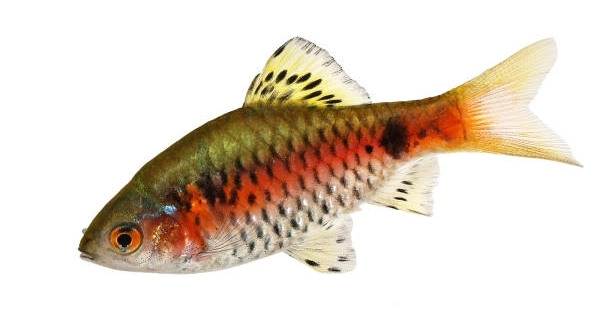
Rosy barbs are popular freshwater fish that many enjoy keeping in home aquariums. They are known for their bright colors and active behavior. Sometimes, however, these fish can act aggressively toward each other or other tank mates.
Aggression in rosy barbs often arises from territorial disputes, overcrowding, lack of hiding spaces, or stress due to poor water conditions. Their natural behavior includes establishing dominance, which can lead to chasing and nipping among tank residents.
Knowing the reasons behind their aggression can help you create a calmer environment for your fish. This article will explain seven common causes and how to manage them.
Territorial Behavior
Rosy barbs naturally establish territories, especially males during breeding seasons. When space is limited, they become more defensive, often chasing other fish away to protect their area. This behavior helps them secure resources like food and mates, but in a confined tank, it can lead to constant stress. If you notice one fish repeatedly chasing others, it’s a sign that territorial behavior is causing aggression. Providing enough room for each fish can reduce these conflicts and create a more peaceful tank environment. Plants and decorations also help by breaking the line of sight, giving fish places to retreat and feel safe. Monitoring your tank’s layout and making adjustments can go a long way in calming territorial disputes.
Territorial aggression is more common in small or crowded tanks where fish compete for limited space.
Adjusting tank size or adding visual barriers helps reduce stress and aggressive encounters among rosy barbs.
Overcrowding
Keeping too many rosy barbs in one tank can increase stress and competition. When fish don’t have enough room to swim freely, they may become aggressive to protect what little space they have. Overcrowding also affects water quality, which can make fish more irritable and prone to conflict. A general rule is to allow at least one gallon of water per inch of fish. This helps maintain good health and reduces aggression. If you notice constant chasing or biting, it might be time to reduce the number of fish or move some to another tank. Proper stocking ensures your rosy barbs live in a comfortable and balanced environment, which keeps aggression at bay.
Keeping the right number of fish prevents stress and improves tank harmony.
Overcrowding increases competition and triggers aggressive behavior, so maintaining proper stocking levels is essential for peaceful rosy barbs.
Lack of Hiding Places
Without enough hiding spots, rosy barbs feel exposed and stressed. This stress can lead to aggressive behavior as fish compete for safe areas.
Aquarium plants, rocks, and decorations offer places for shy or weaker fish to escape aggressive tank mates. When hiding places are scarce, dominant fish can easily corner others, increasing tension. Providing a well-structured environment with plenty of cover reduces stress and lowers aggression. It also helps maintain a natural balance, as fish instinctively use hiding spots to rest and avoid conflict. Adding more hiding spaces can change the tank atmosphere, making it calmer and more comfortable for all fish.
A tank with varied hiding spots encourages peaceful coexistence and reduces chasing.
Well-planned decorations break lines of sight, helping shy rosy barbs avoid confrontations and feel safer.
Poor Water Quality
Poor water conditions can cause stress, making rosy barbs irritable and more likely to show aggression. Waste buildup, incorrect pH, or unbalanced temperature all harm fish health.
Maintaining clean water through regular changes and proper filtration is crucial to prevent aggression. Stress from bad water quality weakens immune systems, so fish become less tolerant of each other. Testing water regularly for ammonia, nitrites, nitrates, and pH helps catch problems early. Keeping the water stable creates a healthier environment that supports peaceful behavior. Adjusting conditions to meet rosy barbs’ needs reduces fighting and promotes overall well-being.
Water quality directly influences fish mood and behavior.
Proper maintenance and monitoring reduce stress-related aggression and improve tank harmony among rosy barbs.
Feeding Time Competition
Rosy barbs may become aggressive during feeding if food is limited or unevenly distributed. Competition over meals can trigger chasing and nipping.
Ensuring enough food for all fish and spreading it evenly helps reduce fighting. Feeding smaller amounts more often also keeps peace during mealtime.
Breeding Behavior
During breeding, male rosy barbs display more aggressive behavior to attract females and defend spawning sites. This natural instinct can lead to increased chasing and territorial fights. Aggression often lessens after breeding, but separating overly aggressive males may be necessary to protect other fish.
Stress from Tank Changes
Sudden changes in the tank environment, such as new fish or rearranged decorations, can stress rosy barbs. This stress sometimes results in aggressive behavior until fish adjust to the new setup.
FAQ
Why are my rosy barbs chasing each other?
Chasing is a common behavior among rosy barbs, usually linked to establishing dominance or defending territory. In smaller tanks, limited space makes this worse, as fish have nowhere to escape. Overcrowding, poor hiding spots, or stress from water quality can increase chasing. Adjusting tank size, adding plants or decorations, and maintaining good water conditions often reduce this behavior.
How can I stop rosy barbs from nipping fins?
Fin nipping happens when barbs are stressed or bored. They may nip at slower or long-finned tank mates. To stop this, ensure the tank is not overcrowded and provide enough space for swimming. Adding distractions like plants and decorations keeps fish occupied. Regular feeding and good water quality also help lower stress, which reduces nipping.
Is it normal for rosy barbs to be aggressive sometimes?
Yes, some aggression is normal because rosy barbs naturally establish hierarchies. Males especially show more aggression during breeding. However, constant or severe aggression signals a problem, like overcrowding or poor environment. It’s important to balance the tank setup to minimize harmful behavior.
Can tank size affect rosy barb aggression?
Definitely. Small tanks limit swimming space and increase competition, making fish more aggressive. Rosy barbs need at least 20 gallons for a small group, with more space for additional fish. Bigger tanks reduce stress and allow fish to spread out, lowering chances of fights.
Do rosy barbs get along with other fish species?
Rosy barbs can live peacefully with many species if the tank is spacious and well-decorated. Avoid slow-moving or long-finned fish since barbs may nip fins. Good tank mates include other active, similarly sized fish like danios or tetras. Proper introduction and monitoring are essential to maintain harmony.
How often should I clean the tank to reduce aggression?
Regular tank maintenance is vital. Weekly partial water changes of about 20-30% help keep water clean and stable. Clean filters as needed without disturbing beneficial bacteria too much. Good water quality reduces stress, which in turn lowers aggressive behaviors in rosy barbs.
Can diet affect aggression in rosy barbs?
A balanced diet plays a role in behavior. Underfed or malnourished fish become stressed and irritable, which can cause aggression. Feeding high-quality flakes, pellets, and occasional live or frozen foods ensures they get enough nutrients. Feeding small amounts multiple times a day prevents competition and keeps them calm.
What signs show that aggression is harming my rosy barbs?
Look for torn fins, missing scales, or constant hiding in some fish. Frequent chasing and injury indicate serious aggression. If stress signs appear, it’s important to act quickly by improving tank conditions or separating aggressive fish to prevent injury or illness.
Should I separate aggressive rosy barbs?
If aggression leads to injury or extreme stress, separating the aggressive fish is a good solution. You can place the aggressive fish in a separate tank or use a divider within the main tank. After some time, reintroduce the fish carefully or keep them separated permanently if problems continue.
How do plants and decorations help reduce aggression?
Plants and decorations break up open space, giving shy or weaker fish places to hide. This reduces direct encounters and chasing. They also provide mental stimulation and mimic natural habitats, which lowers stress. Using live plants is beneficial, but plastic ones also help create barriers between fish.
Can changing tank mates reduce rosy barb aggression?
Yes, selecting compatible tank mates is important. Aggressive or slow-moving fish can provoke barbs to act out. Choosing active, similarly sized, and non-aggressive species creates a more balanced community. If problems persist, removing or replacing certain fish may be necessary to improve tank peace.
What role does water temperature play in aggression?
Water temperature affects fish metabolism and behavior. If the water is too warm, fish become more active and aggressive. Rosy barbs thrive in temperatures between 64°F and 72°F (18°C to 22°C). Keeping the temperature stable within this range helps maintain calm behavior and reduces stress-related aggression.
Rosy barbs are lively and colorful fish that bring energy to any aquarium. Their occasional aggressive behavior can be frustrating but is often a normal part of their nature. Understanding why they act this way helps create a better home for them and other fish in the tank. Many reasons, like territorial disputes, overcrowding, and stress, can cause aggression. Addressing these issues with simple changes can make a big difference in how peaceful the tank feels. By learning what triggers aggression, you can keep your rosy barbs healthy and happy.
Creating the right environment is key to reducing aggression. Giving rosy barbs enough space to swim freely helps them feel less threatened. Adding plants, rocks, and hiding places gives them spots to retreat when they want to avoid conflict. Regular water maintenance keeps the tank clean and stable, which reduces stress for all the fish. Feeding them a balanced diet in proper amounts also helps prevent competition during mealtime. Each of these factors works together to create a calm atmosphere, where rosy barbs are less likely to chase or nip each other.
It’s important to watch your fish closely and respond quickly if aggression becomes a problem. Minor chasing is normal, but constant fighting or injury means changes are needed. Sometimes separating aggressive individuals is the best solution. Choosing compatible tank mates and keeping the right number of fish also helps keep peace. Overall, with some care and attention, you can enjoy the bright colors and active nature of rosy barbs without the stress of constant aggression. Taking these steps ensures your aquarium stays a balanced and pleasant place for everyone.

Hello,
If you enjoy the content that we create, please consider saying a "Thank You!" by leaving a tip.
Every little bit helps us continue crafting quality advice that supports the health, happiness, and well-being of pets around the world, for pets of all shapes, sizes, and species.
We really appreciate the kindness and support that you show us!