
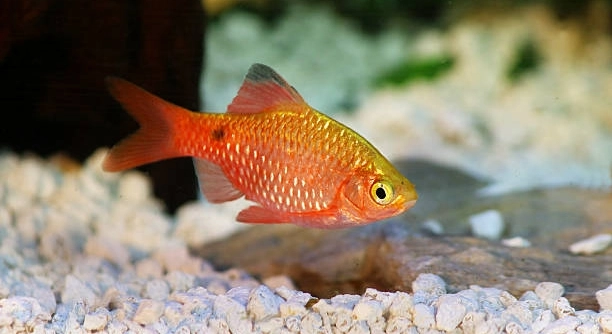
Rosy barbs are popular freshwater fish known for their vibrant colors and lively behavior. Many aquarium enthusiasts enjoy watching their interactions and wonder if these fish can change their personalities over time. Understanding their behavior helps create a better home environment.
Rosy barbs can exhibit changes in personality due to factors like age, environment, and social dynamics. These influences may cause them to become more or less active, aggressive, or shy as they grow and adapt to their surroundings.
Learning how personality shifts occur in rosy barbs can improve care strategies and enhance the overall health and happiness of these colorful fish.
Factors That Influence Personality Changes in Rosy Barbs
Rosy barbs’ personalities can shift because of several key factors. One major factor is their environment. Changes in tank size, water quality, and decoration can affect how they behave. A cramped or dirty tank often makes them more stressed and less active. Social dynamics also play a role. When new fish are introduced or groups change, some rosy barbs might become more aggressive or shy to find their place. Age matters too; younger barbs tend to be more energetic, while older ones may slow down and act calmer. Even feeding routines can influence mood—regular feeding helps maintain a balanced temperament. Paying attention to these elements helps explain why rosy barbs do not always act the same over time. Adjusting care to these needs can support healthier, more stable behavior.
Stress and social changes are the most common reasons for noticeable shifts in personality among rosy barbs.
Understanding these factors can help fish owners create a stable environment. When conditions are right, rosy barbs show more consistent and natural behavior. Watching how they react to changes offers clues about their well-being. For example, a shy fish might open up with more space or compatible tank mates. Recognizing these signs early can prevent stress-related problems. It also allows for tailored care that keeps the fish comfortable. In the end, knowing what affects their personalities helps keep rosy barbs happier and healthier in home aquariums.
How to Support Positive Personality Traits
Creating a supportive tank environment helps rosy barbs keep their best behavior. Clear water, enough space, and hiding spots reduce stress and encourage natural activity.
Proper tank maintenance is essential to maintain good water quality. Regular water changes and careful monitoring of temperature, pH, and ammonia levels keep conditions stable. Avoid overcrowding the tank since it can increase tension among fish. Choose tank mates carefully to prevent aggression. Rosy barbs tend to do better in groups of at least six, which supports social balance. Feeding them a varied diet with quality flakes, pellets, and occasional live food keeps them healthy and energetic. Finally, observing their behavior daily helps spot any changes early so you can respond quickly. These steps contribute to a calm and active personality in rosy barbs, making them more enjoyable to watch and care for.
Recognizing Personality Shifts in Rosy Barbs
Personality changes in rosy barbs are usually gradual but noticeable. They might become more reserved or more aggressive depending on their environment and interactions.
Behavioral shifts can include changes in swimming patterns, social interactions, or feeding habits. For example, a normally active rosy barb might start hiding more often or avoid the group. On the other hand, some may show increased territorial behavior or chase other fish more aggressively. These changes can reflect stress, illness, or adjustments to new tank conditions. Monitoring these signs is important for timely intervention and proper care. Keeping a close eye on behavior helps maintain a healthy community and keeps the fish comfortable in their space.
Observing how rosy barbs interact with each other and their surroundings provides valuable insight. A shift in activity level or social behavior often signals a change in their well-being. Being aware of these changes allows you to make adjustments in their care, like improving water quality, adjusting tank mates, or modifying feeding routines. This attention helps prevent long-term stress and supports a balanced, healthy aquarium environment where rosy barbs can thrive.
Common Triggers for Behavior Change
Changes in water parameters like temperature, pH, or ammonia levels can stress rosy barbs and alter their behavior. Even small fluctuations may impact their mood and activity.
Other triggers include overcrowding or aggressive tank mates. Too many fish in a small space increase competition and stress. Introduction of new fish can disrupt social order, causing some barbs to become more defensive or withdrawn. Illness or poor nutrition may also play a role in personality shifts. Providing stable conditions and a proper diet reduces these risks. Recognizing and addressing these triggers quickly supports more consistent behavior and improves overall health, making it easier to care for rosy barbs long term.
Impact of Tank Size on Behavior
A small tank can limit a rosy barb’s natural activity, causing them to become stressed or less energetic. Larger tanks give them room to swim and explore.
More space allows rosy barbs to establish territories and interact naturally. This reduces aggression and supports a calmer personality overall.
Social Environment Effects
Rosy barbs are social fish that feel safer and behave more naturally in groups. A proper social environment helps reduce stress and encourages friendly interaction among fish.
The Role of Diet in Personality
A balanced diet directly affects the mood and energy of rosy barbs. Feeding them a variety of foods supports healthy growth and consistent behavior.
Signs of Stress in Rosy Barbs
Stress can cause changes like hiding, loss of appetite, or erratic swimming. Recognizing these signs early is crucial for maintaining their well-being.
FAQ
Can rosy barbs really change personality as they age?
Yes, rosy barbs often show personality changes as they grow older. Younger fish tend to be more active and curious, while older ones may slow down and act more reserved. These changes are natural and often linked to their development and environment.
How long does it take for personality changes to become noticeable?
Personality shifts usually happen gradually over weeks or months. Sudden changes might indicate stress or health problems. It’s important to observe your fish regularly to spot any unusual behavior early and address possible causes.
Does the number of tank mates affect a rosy barb’s personality?
Definitely. Rosy barbs are social and prefer to live in groups of at least six. If there are too few or too many fish, it can cause stress, leading to aggression or hiding. Proper group size helps maintain balance and a stable personality.
Can changes in water quality impact behavior?
Yes, poor water quality is a common reason for behavior shifts. High ammonia, nitrite levels, or incorrect pH can stress fish, making them less active or aggressive. Regular water testing and maintenance are essential to keep rosy barbs healthy and calm.
Will introducing new fish cause my rosy barbs to change personality?
Introducing new fish can disrupt social order and cause temporary stress. Some rosy barbs may become shy or aggressive until the group adjusts. Providing enough space and hiding spots helps reduce tension during these times.
Are rosy barbs naturally aggressive or peaceful?
Rosy barbs are generally peaceful but can show mild aggression, especially during breeding or if their space is limited. Maintaining a suitable tank size and compatible tank mates minimizes aggressive behaviors.
How important is diet for behavior?
A nutritious and varied diet keeps rosy barbs healthy and energetic. Poor diet can cause lethargy, irritability, or illness, affecting their personality. Offering quality flakes, pellets, and occasional live or frozen food supports stable behavior.
Can illness cause personality changes?
Yes, sickness often leads to behavioral shifts like hiding, reduced activity, or erratic swimming. If you notice these signs, checking water conditions and consulting treatment options quickly is important to prevent worsening health.
Is tank decoration important for personality?
Decorations like plants and hiding spots provide security, reducing stress and encouraging natural behavior. A bare tank can cause nervousness and aggression. Thoughtful decoration supports a calmer and more confident rosy barb.
How can I help my rosy barbs adjust to a new tank?
Introduce them slowly and keep water conditions stable. Avoid overcrowding and provide plenty of hiding places. Monitor their behavior closely in the first weeks and be patient, as it takes time for them to settle and show their true personality.
Rosy barbs are lively and colorful fish that can show changes in personality over time. These changes are normal and often happen because of factors like their age, environment, and social interactions. Understanding why their behavior shifts can help you provide better care. Sometimes they become more active and curious, while other times they may act shy or more aggressive. Paying attention to these differences can make keeping rosy barbs more rewarding.
The environment plays a big role in how rosy barbs behave. Water quality, tank size, and decorations all affect their mood and personality. When the tank is clean and spacious with enough hiding spots, rosy barbs tend to be calmer and more active. Social factors are also important. They prefer to live in groups, and changes in the group or the introduction of new fish can cause temporary personality changes. Feeding a balanced diet also supports their health and energy, which helps keep their behavior stable.
Overall, noticing personality changes in rosy barbs is a natural part of caring for them. By watching their behavior closely and adjusting their tank conditions when needed, you can help them stay healthy and happy. Understanding these small changes lets you respond early if something is wrong, and it also deepens your connection with the fish. Taking the time to create a balanced environment and provide good care means your rosy barbs will be lively companions for a long time.

Hello,
If you enjoy the content that we create, please consider saying a "Thank You!" by leaving a tip.
Every little bit helps us continue crafting quality advice that supports the health, happiness, and well-being of pets around the world, for pets of all shapes, sizes, and species.
We really appreciate the kindness and support that you show us!