
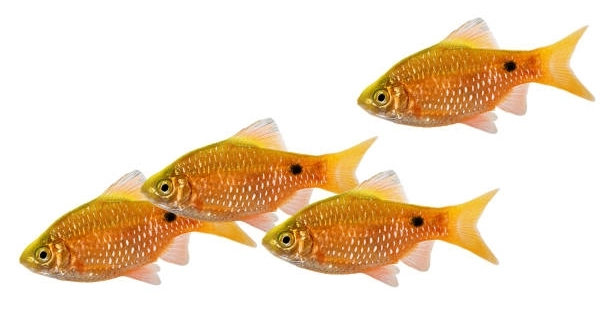
Many fish owners notice changes in their rosy barbs’ behavior after a tankmate dies. These shifts can be confusing and sometimes worrying. Understanding why your rosy barb hides helps you care for it better during stressful times.
Rosy barbs tend to hide after a tankmate dies due to stress and changes in their environment. The loss disrupts their social group and creates uncertainty, which triggers a natural response to seek safety and avoid potential threats.
This article explains the reasons behind this behavior and offers tips to support your rosy barb’s wellbeing after such events.
Why Rosy Barbs React Strongly to Loss
When a tankmate dies, rosy barbs experience stress much like other social fish. These fish rely on groups for safety, and losing a companion breaks their sense of security. The sudden absence can make them feel vulnerable, causing them to hide more than usual. This hiding behavior helps them stay out of sight from perceived dangers. It also gives them time to adjust to the new situation. Sometimes, the water conditions can change slightly after a fish dies, which can add to their stress. Barbs may also pick up on chemical signals from the dead fish, which can disturb them further. All of these factors combined explain why your rosy barb might suddenly become shy or withdrawn.
Stress from loss is a natural reaction for rosy barbs, influencing their behavior and well-being.
Understanding this response is important to help your fish recover comfortably and reduce ongoing stress in your aquarium.
Helping Your Rosy Barb Feel Safe Again
A calm and stable environment is key to helping your rosy barb after a loss.
After the stressful event, make sure to keep the tank clean and stable. Avoid sudden changes in lighting, temperature, or water chemistry. Adding hiding spots like plants or decorations can give your fish a safe place to retreat. Gentle interaction and giving your rosy barb space to adjust are important too. Avoid introducing new fish immediately, as this can increase stress. Monitoring water quality closely helps, as poor water conditions add to discomfort. Patience is essential because it takes time for your fish to regain confidence. Watching your fish gradually become more active again is a good sign that they are recovering.
Your efforts in providing a stable and peaceful environment will support your rosy barb’s return to normal behavior.
Recognizing Signs of Stress in Rosy Barbs
Rosy barbs show stress through changes in behavior and appearance. They may hide more often, lose appetite, or swim erratically. Their colors might also fade, indicating discomfort or illness.
These signs can help you identify when your rosy barb is struggling after a tankmate’s death. Hiding is one of the most common responses, as they try to avoid threats. Loss of appetite can weaken them, so it’s important to offer nutritious food and monitor eating habits closely. Erratic swimming suggests confusion or distress, often caused by sudden environmental changes. Faded colors show that your fish is not feeling well and may need extra care or water testing to ensure proper conditions. Early detection of these signs allows for timely support, which can prevent more serious health problems and help your rosy barb regain comfort and confidence.
Regular observation helps maintain a healthy environment and ensures your fish feel safe.
Adjusting the Tank Environment for Recovery
Improving the tank environment after a loss helps reduce your rosy barb’s stress.
Check water parameters often and perform small, regular water changes to keep conditions stable. Adding live plants can create natural hiding spots, making the fish feel more secure. Avoid overcrowding, as too many fish increase competition and stress. Soft lighting helps calm nervous fish compared to bright, harsh lights. Providing a consistent feeding schedule also supports their health by reducing anxiety. It’s best to keep the tank peaceful during recovery by limiting loud noises or sudden movements around the aquarium. This calm setting encourages your rosy barb to return to normal behavior faster. Remember, small changes make a big difference in helping your fish feel safe and comfortable again.
Impact of Water Quality on Rosy Barb Behavior
Poor water quality can increase stress in rosy barbs, causing hiding and lethargy. Ammonia, nitrite, and nitrate levels must be monitored closely to prevent harm.
Maintaining clean water with regular testing and partial water changes supports your fish’s health and reduces anxiety. Stable conditions are essential for recovery after a tankmate’s death.
Reintroducing Tankmates Carefully
When adding new fish, introduce them slowly to avoid overwhelming your rosy barb. Sudden changes can increase stress and delay recovery.
Feeding Tips During Stressful Times
Offer small, frequent meals of high-quality food to encourage eating. Nutritious diets help support immune function and speed recovery in stressed rosy barbs. Consistent feeding routines create a sense of normalcy and safety in the tank.
When to Seek Expert Help
If your rosy barb’s behavior does not improve after several weeks or signs of illness appear, consult an aquatic veterinarian or experienced fish keeper for advice.
FAQ
Why does my rosy barb hide after a tankmate dies?
Rosy barbs are social fish that rely on their group for safety. When a tankmate dies, it disrupts their social structure, causing stress and fear. Hiding is a natural way for them to protect themselves while they adjust to the change. It helps them feel safer and reduces anxiety.
How long will my rosy barb stay hidden?
The hiding period varies, but most rosy barbs start to come out within a few days to a week. If the stress continues, or if water conditions are poor, they might hide longer. Patience and a calm environment are key to helping them feel secure again.
Can poor water quality cause hiding behavior?
Yes, poor water quality is a common cause of stress in fish. High levels of ammonia, nitrite, or nitrate, as well as incorrect temperature or pH, can make your rosy barb uncomfortable. This discomfort often results in hiding or lethargy. Testing and maintaining water quality regularly helps prevent this.
What should I do immediately after a fish dies in my tank?
Remove the dead fish quickly to avoid water contamination. Test water parameters to ensure they remain safe. Keep the tank environment stable and avoid sudden changes. Adding extra hiding spots or plants can help remaining fish feel protected.
Is it safe to add new fish right after a loss?
It’s best to wait at least two weeks before adding new tankmates. This gives your remaining fish time to recover from stress. Introducing new fish too soon can cause more anxiety and disrupt the tank’s balance further.
How can I help my rosy barb regain its appetite?
Offer small portions of high-quality food several times a day. Sometimes warming the food slightly can encourage eating. Live or frozen foods like bloodworms or brine shrimp can be more appealing. Avoid overfeeding, which can foul the water and add to stress.
Are faded colors a sign of stress or illness?
Faded colors often indicate stress but can also signal illness. Stress from loss, poor water quality, or bullying may cause color changes. Watch for other signs like lethargy, clamped fins, or unusual spots to decide if medical treatment is needed.
Can hiding behavior lead to long-term health problems?
Prolonged hiding can mean ongoing stress, which weakens the immune system. This can make your rosy barb more vulnerable to diseases. Supporting your fish with a clean tank, proper diet, and gentle care helps prevent long-term issues.
What tank setup is best to reduce stress in rosy barbs?
A spacious tank with plenty of hiding spots, like plants and decorations, helps rosy barbs feel secure. Moderate lighting and stable water conditions are also important. Avoid overcrowding, and keep compatible tankmates to reduce aggression and stress.
When should I contact a vet or fish expert?
If your rosy barb shows no improvement after several weeks, refuses to eat, or develops physical symptoms like sores or unusual growths, seek professional advice. Early intervention can prevent serious health problems and improve recovery chances.
Rosy barbs are sensitive fish that react strongly when a tankmate dies. Their hiding behavior is a natural response to stress and uncertainty. Losing a companion breaks the group dynamic that helps them feel safe. When they hide, it means they are trying to protect themselves and adjust to the sudden change. This behavior is common and does not always mean something is seriously wrong. Understanding why your rosy barb hides can help you provide better care during this time.
Creating a calm and stable environment is important for your fish’s recovery. Keeping the water clean and testing it regularly ensures good conditions that reduce stress. Adding plants or decorations for hiding spots helps your rosy barb feel secure. Avoiding sudden changes in the tank, like new fish or strong lighting, can prevent more anxiety. Feeding small, frequent meals with nutritious food supports their health and encourages them to eat. With patience and consistent care, your rosy barb will usually come out of hiding and return to normal behavior.
If hiding and other signs of stress last a long time, it may be a sign that your rosy barb needs extra help. Watching for changes in appetite, color, or movement is important. If these symptoms do not improve, contacting an aquatic veterinarian or experienced fish keeper is a good step. Early attention can prevent illness and help your fish recover more quickly. Remember, providing a safe and stable home is the best way to support your rosy barb through stressful times and keep it healthy.

Hello,
If you enjoy the content that we create, please consider saying a "Thank You!" by leaving a tip.
Every little bit helps us continue crafting quality advice that supports the health, happiness, and well-being of pets around the world, for pets of all shapes, sizes, and species.
We really appreciate the kindness and support that you show us!