
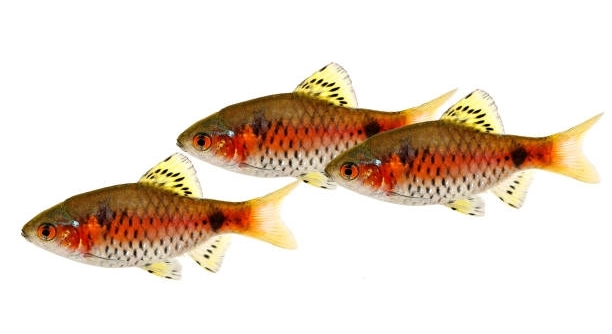
Rosy barbs are a popular choice for many freshwater aquariums. They are known for their bright colors and lively swimming patterns. Sometimes, these fish swim directly against the filter flow in the tank, which may seem unusual to aquarium owners.
Rosy barbs swim against the filter flow primarily to exercise and build muscle strength. Swimming upstream mimics their natural behavior in the wild, helping them stay active and healthy. This behavior also allows them to better explore their environment and avoid areas with less oxygen.
Understanding why rosy barbs swim this way can help aquarists create better tank conditions. Learning more about their behavior improves both fish health and tank maintenance.
Why Rosy Barbs Prefer Swimming Against the Flow
Swimming against the filter flow helps rosy barbs stay physically fit. In their natural habitats, these fish often swim in streams and rivers where currents are present. This natural movement strengthens their muscles and improves endurance. In an aquarium, the filter flow simulates a gentle current, encouraging the fish to keep moving actively. Besides exercise, swimming upstream allows them to explore different parts of the tank safely. It also helps them avoid stagnant water areas where oxygen levels may be lower. This behavior is not random; it reflects an instinct to stay healthy and alert. If the filter flow is too strong or too weak, rosy barbs may change their swimming habits. Adjusting the flow to a moderate level can promote their natural behavior and well-being. Paying attention to this helps ensure a thriving aquarium environment.
Fish swimming against the filter flow are often healthier and more active. They show signs of natural behavior when conditions match their needs.
Recognizing these swimming patterns makes it easier to understand how to maintain a balanced tank. Keeping the filter flow consistent helps the fish stay comfortable while providing necessary exercise. Observing how rosy barbs respond to changes in the flow can guide you in making adjustments. For example, if the water current is too strong, the fish might get stressed or avoid parts of the tank. On the other hand, a very weak flow can lead to reduced activity and poor water circulation. Monitoring this balance supports better fish health and keeps the aquarium clean. This simple observation can improve both the fish’s lifestyle and the overall tank environment.
Impact of Filter Flow on Tank Conditions
Filter flow affects more than just fish movement. It also influences water quality and oxygen distribution inside the tank.
A steady filter flow helps circulate oxygen-rich water throughout the tank. This circulation prevents the buildup of harmful gases and waste. Without good water movement, some areas of the aquarium may become stagnant. Stagnant zones can reduce oxygen levels, which negatively affects fish health. Proper flow also helps distribute nutrients evenly, supporting plants and beneficial bacteria. Rosy barbs rely on this balanced environment to stay active and healthy. Adjusting the filter’s strength to match the tank size and fish needs creates an ideal habitat. This careful balance reduces stress on the fish and promotes natural behavior, including swimming against the flow. Managing filter flow properly is key to maintaining a clean, safe, and vibrant aquarium ecosystem.
How Water Flow Affects Rosy Barbs’ Behavior
Water flow creates a dynamic environment that influences how rosy barbs move and interact. They instinctively swim against currents to exercise and stay alert.
Strong water flow can tire rosy barbs quickly, causing them to seek calmer areas. Moderate flow encourages steady swimming, which helps maintain their muscle tone. In tanks with weak flow, fish might become less active, leading to potential health issues. Flow also affects how they feed and socialize, as some may prefer spots with slower currents to rest or eat. Finding the right balance supports their natural habits and overall well-being. Observing their reactions helps adjust flow settings effectively.
Different tank setups and filter types create varying flow patterns. Some filters produce uneven currents that can confuse or stress rosy barbs. Using flow diffusers or adjusting filter output can create a more uniform current, encouraging natural swimming. Proper flow also helps waste removal and oxygen distribution, which benefits all tank inhabitants. Paying attention to water movement details improves both fish behavior and tank health.
Tank Setup Tips to Support Rosy Barbs’ Natural Swimming
Choosing the right tank size and layout is crucial for rosy barbs’ comfort and activity levels. They need enough space to swim against currents freely.
Including plants, rocks, and hiding spots breaks up flow patterns, giving fish areas to rest without fighting strong currents constantly. These decorations create natural obstacles that mimic their habitat and reduce stress. Avoid overcrowding, as too many fish reduce swimming room and increase competition for space and oxygen. Using adjustable filters helps control flow strength to suit tank size and fish behavior. Regular maintenance keeps water clean and flow steady. A well-planned tank setup promotes healthier, more active rosy barbs that display their natural swimming instincts consistently.
Recognizing Stress in Rosy Barbs
Rosy barbs stressed by strong currents may hide more often or stop eating. They might also show signs of rapid breathing or erratic swimming.
Stress affects their immune system, making them more prone to illness. Watching for these signs helps prevent serious health problems before they develop.
Adjusting Filter Flow for Rosy Barbs
Filters with adjustable flow settings allow better control of water movement. Lowering the flow gently reduces stress while still maintaining water quality. Using a spray bar or adding flow diffusers can help spread water evenly and soften strong currents. Regular testing of flow speed ensures the tank conditions remain suitable for the fish’s needs. A well-controlled filter supports healthier, more active rosy barbs.
Benefits of Moderate Flow
Moderate water flow encourages exercise and natural behavior. It keeps the tank clean and oxygen-rich without overwhelming the fish.
Why do rosy barbs swim against the filter flow?
Rosy barbs swim against the filter flow mainly to exercise and stay strong. In the wild, they live in rivers and streams where currents are common. Swimming against these currents helps build their muscles and keeps them active. In aquariums, the filter flow simulates this natural environment, encouraging their natural swimming habits. This behavior also helps them explore the tank better and avoid areas with less oxygen or poor water quality.
Is swimming against the current stressful for rosy barbs?
Swimming against the current is not usually stressful when the flow is moderate. It mimics their natural environment and helps maintain good health. However, if the current is too strong, it can tire them and cause stress. Signs of stress include hiding, rapid breathing, or reduced appetite. Adjusting the filter flow to a gentler setting can help reduce stress while still allowing exercise.
How strong should the filter flow be for rosy barbs?
The filter flow should be moderate—not too strong or too weak. Strong flow can exhaust the fish, while weak flow might reduce water circulation and oxygen levels. The goal is to create a gentle current that encourages natural swimming without overwhelming the fish. Using adjustable filters or adding flow diffusers can help achieve this balance.
What happens if rosy barbs don’t swim against the flow?
If rosy barbs avoid swimming against the flow, it may be a sign that the current is too strong or the tank conditions are not ideal. Lack of swimming activity can lead to weaker muscles and poorer health. It’s important to observe their behavior and adjust the filter flow or tank setup to encourage natural movement.
Can filter flow affect other fish in the tank?
Yes, filter flow impacts all fish in the tank. Some species prefer calm water, while others thrive in moderate currents. When setting the flow for rosy barbs, consider the needs of all tank inhabitants. Creating zones with different flow strengths using plants or decorations can help accommodate various species comfortably.
How can I create the right flow in my aquarium?
You can create the right flow by adjusting the filter output or using flow diffusers and spray bars to spread water evenly. Adding plants and decorations can break up strong currents, giving fish places to rest. Regular maintenance ensures the filter runs efficiently and maintains consistent flow.
Does swimming against the flow improve rosy barbs’ health?
Swimming against the flow helps build muscle strength and improve cardiovascular health in rosy barbs. This natural exercise keeps them active and reduces the risk of obesity and related diseases. It also encourages natural behavior, which lowers stress and promotes overall well-being.
Is it normal for rosy barbs to fight the filter flow sometimes?
Yes, it is normal for rosy barbs to push against the filter flow. This behavior is instinctive and part of how they keep fit and alert. As long as they are not exhausted or stressed, this activity is healthy and expected.
What signs show rosy barbs are happy with the current flow?
Happy rosy barbs swim actively, explore their environment, and show good appetite. They rest calmly in areas with less flow and do not hide excessively. Their colors remain bright, and they interact well with other fish. Observing these signs indicates the flow is suitable.
How often should I check and adjust the filter flow?
Regularly check the filter flow during tank maintenance, at least once a week. Fish behavior can change as they grow or as tank conditions shift. Adjusting the flow as needed keeps the environment stable and supports fish health.
Can I use any filter for rosy barbs?
Most standard aquarium filters work for rosy barbs, but adjustable ones are best. They allow you to control flow strength to suit the fish’s needs. Filters with spray bars or diffusers help create gentle, even currents that benefit the fish and tank environment.
Does tank size influence how rosy barbs swim against the flow?
Yes, tank size affects swimming behavior. Larger tanks give rosy barbs more room to swim freely against currents, promoting better exercise. In smaller tanks, strong flow may limit movement and cause stress. Choose tank size and flow settings carefully to support healthy swimming.
Are there other fish that swim against the flow like rosy barbs?
Several fish species naturally swim against currents, especially those from flowing water habitats. These include danios, some tetras, and certain livebearers. Like rosy barbs, they use this behavior to stay strong and active.
What should I do if rosy barbs seem tired or avoid the filter flow?
If rosy barbs appear tired or avoid the flow, first check that the current isn’t too strong. Reduce filter output or add flow diffusers. Also, test water quality, as poor conditions can weaken fish. Improving tank conditions and flow usually helps them return to normal activity.
How does water oxygenation relate to filter flow?
Filter flow helps oxygenate water by moving it across the surface and circulating it through the tank. Proper oxygen levels are essential for rosy barbs’ health. Good flow ensures fresh oxygen reaches all parts of the tank, preventing low-oxygen zones where fish may struggle.
Can poor filter flow cause health problems in rosy barbs?
Yes, poor filter flow can lead to stagnant water, low oxygen, and waste buildup. These conditions increase the risk of illness and stress. Maintaining balanced flow supports clean water and healthy fish. Regular filter checks and water changes help prevent problems.
Is it normal for rosy barbs to rest in low-flow areas?
Yes, rosy barbs often rest in calmer spots to conserve energy. They balance activity with rest by moving between stronger and weaker currents. Providing varied flow zones with plants or decorations supports this natural behavior.
Rosy barbs swimming against the filter flow is a natural and important behavior. This swimming helps them exercise and stay healthy, just like they would in the wild. In their natural rivers and streams, currents encourage these fish to swim actively, building muscle strength and endurance. When kept in an aquarium, a filter creates a similar flow of water that allows them to keep up these natural habits. Observing rosy barbs swimming upstream is a good sign that they are healthy and comfortable in their environment.
It is important to provide the right balance of water flow in the tank. Too strong a current can tire out rosy barbs and cause stress, while too weak a flow may lead to less activity and poor water circulation. Finding the correct flow means adjusting the filter strength and sometimes using diffusers or decorations to create calm spots and gentle currents. These adjustments help the fish swim naturally without feeling overwhelmed. Maintaining a steady and moderate flow also supports oxygen distribution and waste removal, which is essential for all aquarium inhabitants. By paying attention to these details, you create a better living space for rosy barbs and help them thrive.
Overall, understanding why rosy barbs swim against the filter flow can improve how you care for them. This behavior is linked to their health, exercise needs, and comfort in the tank. Providing a tank environment that meets these needs takes some observation and adjustments but leads to happier and more active fish. Watching their behavior and responding with the right flow and tank setup benefits both the fish and the aquarium. Taking these steps helps ensure rosy barbs stay vibrant, strong, and display their natural swimming instincts for a long time.

Hello,
If you enjoy the content that we create, please consider saying a "Thank You!" by leaving a tip.
Every little bit helps us continue crafting quality advice that supports the health, happiness, and well-being of pets around the world, for pets of all shapes, sizes, and species.
We really appreciate the kindness and support that you show us!