
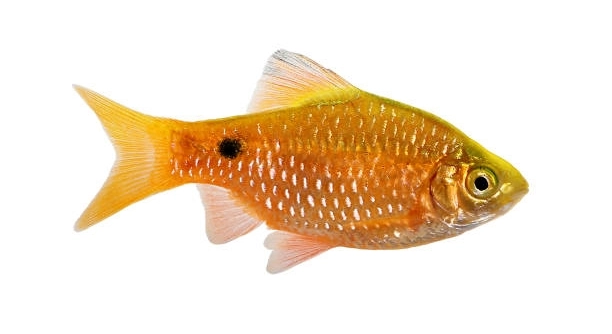
Rosy barbs are popular freshwater fish known for their bright colors. Sometimes, these vibrant fish suddenly lose their rosy hue and turn pale. This change can be worrying for fish owners who want to keep their pets healthy and happy.
Rosy barbs turn pale due to various causes, including stress, poor water quality, illness, inadequate diet, temperature fluctuations, aging, or improper lighting. Each factor affects the fish’s pigmentation and overall well-being, often signaling an underlying problem that requires attention.
Recognizing these reasons helps fish owners maintain a healthy environment for their rosy barbs. Understanding the causes behind color changes is important for ensuring the fish stay vibrant and lively.
Stress and Its Impact on Rosy Barbs
Stress is one of the most common reasons why rosy barbs lose their color. Changes in their environment, such as new tank mates, sudden movements, or loud noises, can cause stress. When stressed, rosy barbs often become pale as their bodies try to conserve energy. Poor handling or overcrowding can also add to this problem. Stress weakens their immune system, making them more vulnerable to illness. Keeping a calm and stable environment helps reduce stress. Providing enough space and hiding spots allows the fish to feel safe. Monitoring tank conditions and minimizing disturbances can also keep rosy barbs calm. Reducing stress is essential to maintain their bright coloration and overall health.
Stress affects fish behavior and color. Pale rosy barbs may hide or swim less actively when stressed.
Recognizing signs of stress early helps protect rosy barbs from long-term health issues. Observing their behavior and keeping tank conditions steady supports their well-being and vibrant color. Small changes can make a big difference in reducing stress levels.
Poor Water Quality
Poor water quality is another major factor that causes rosy barbs to turn pale. When ammonia, nitrite, or nitrate levels are high, it harms the fish and affects their color. Dirty water also leads to oxygen depletion, which stresses the fish. Regular water testing and partial water changes are important to maintain a clean tank. Removing uneaten food and waste helps prevent water pollution. Filtration systems need to work properly to keep water clear. Stable pH and temperature levels also play a role in water quality. Changes in these conditions can shock the fish, causing paleness. Maintaining proper water quality ensures a healthy environment for rosy barbs, helping them keep their bright colors.
Keeping water clean is vital for rosy barbs’ color and health.
Water quality directly impacts fish well-being. Regular maintenance, including water changes and filter cleaning, keeps the environment safe. Using water conditioners and testing kits helps monitor water parameters. This care supports rosy barbs’ natural colors and reduces stress-related color loss. Proper water conditions prevent disease and promote longevity, allowing the fish to thrive in the tank.
Illness and Disease
Illness often causes rosy barbs to lose their bright color. Common diseases like ich, fungal infections, or parasites stress the fish and dull their appearance. Early detection and treatment are crucial.
Diseased fish usually show additional signs such as lethargy, clamped fins, or unusual swimming patterns. Color fading is often accompanied by visible spots, wounds, or bloating. A weakened immune system lowers the fish’s ability to maintain vibrant pigmentation. Quarantining new fish before adding them to the tank can help prevent the spread of illness. Maintaining good water quality and a balanced diet supports immune health, reducing disease risk.
Proper diagnosis and prompt treatment are necessary for recovery. Medications, improved tank hygiene, and stress reduction help restore rosy barbs’ color and health. Regular observation makes it easier to spot problems early and act quickly to save the fish.
Inadequate Diet
A poor diet can cause rosy barbs to lose their coloration. Without proper nutrients, their bodies cannot produce or maintain pigments. Feeding low-quality or insufficient food reduces their vibrancy.
A balanced diet rich in protein, vitamins, and carotenoids enhances rosy barbs’ natural color. Foods like high-quality flakes, pellets, and live or frozen foods such as brine shrimp or bloodworms provide essential nutrients. Lack of variety or poor feeding routines can lead to dull, pale fish. Overfeeding, on the other hand, can cause water quality issues that also affect color. Feeding small amounts several times a day encourages healthy growth and bright coloration. Supplementing diet with color-enhancing foods can make a noticeable difference.
Proper nutrition is key to healthy, colorful rosy barbs. A varied and balanced feeding plan supports their immune system and pigment production, ensuring the fish remain lively and bright. Adjusting diet to meet their needs helps prevent color loss caused by nutrient deficiencies.
Temperature Fluctuations
Rapid changes in water temperature can stress rosy barbs and cause their color to fade. These fish thrive in stable temperatures between 64°F and 72°F. Sudden shifts disrupt their metabolism and pigment cells, leading to paleness.
Maintaining a consistent temperature with a reliable heater helps prevent stress. Avoid placing the tank near drafts or heat sources that cause fluctuations.
Aging and Natural Color Changes
As rosy barbs grow older, their colors may naturally fade. This process is normal and reflects changes in metabolism and pigmentation over time. Aging fish often show less vibrant hues than younger ones.
Though natural fading occurs, maintaining good care helps preserve the fish’s overall health and appearance.
Lighting Conditions
Insufficient or improper lighting can cause rosy barbs to lose their bright colors. Light affects pigment development and display, so low or inconsistent lighting leads to dullness.
Using proper aquarium lighting and setting a regular day-night cycle supports healthy coloration.
Why are my rosy barbs turning pale suddenly?
Rosy barbs can turn pale due to stress, poor water quality, illness, diet issues, temperature changes, aging, or lighting problems. Each of these affects their pigment cells and overall health. Sudden paleness usually signals a change in their environment or health that needs attention. Checking tank conditions, diet, and observing behavior helps identify the cause.
How can I reduce stress in my rosy barbs?
Stress can be lowered by keeping the tank stable with few disturbances. Avoid overcrowding and aggressive tank mates. Provide hiding spots and plants for security. Keep noise and sudden movements near the tank minimal. Stable water parameters and a calm environment help keep rosy barbs relaxed and colorful.
What water parameters are best for rosy barbs?
Rosy barbs prefer water with a temperature of 64°F to 72°F, pH between 6.5 and 7.5, and low ammonia, nitrites, and nitrates. Regular water testing and partial water changes maintain these levels. Proper filtration and avoiding overfeeding prevent water pollution, which supports healthy fish and color.
How often should I change the water?
Changing 20–30% of the water weekly is recommended. This removes toxins and keeps conditions stable. More frequent changes may be needed if the tank is crowded or filtration is weak. Always use dechlorinated water at the same temperature to avoid shocking the fish.
Can diet affect rosy barb coloration?
Yes, diet plays a big role in color. Feeding high-quality flakes or pellets with added carotenoids, along with live or frozen foods like brine shrimp, supports bright pigmentation. A varied diet boosts immune health and overall vitality. Avoid overfeeding to prevent water quality problems that also affect color.
What are signs of illness in rosy barbs?
Paleness along with lethargy, clamped fins, spots, or unusual swimming can indicate disease. Illness may result from parasites, bacterial infections, or poor water quality. Prompt treatment and isolation of sick fish help prevent spread and restore color and health.
How do temperature changes affect rosy barbs?
Sudden temperature shifts stress fish and disrupt metabolism. Rosy barbs need stable warmth between 64°F and 72°F. Fluctuations weaken immune responses and cause pigment loss. Using a heater and avoiding drafts or direct sunlight helps maintain steady temperatures.
Is it normal for rosy barbs to lose color with age?
Yes, aging fish may naturally show faded colors. This is due to changes in metabolism and pigment production over time. While this is normal, good care still helps keep older fish healthy and more vibrant.
How important is lighting for rosy barbs?
Lighting influences pigment development and display. Poor or inconsistent lighting can cause dullness and pale colors. Using proper aquarium lights and maintaining a regular day-night cycle encourages healthy coloration and normal fish behavior.
What should I do if my rosy barbs turn pale suddenly?
Start by testing water quality and stabilizing temperature. Observe the fish for illness signs. Improve diet and reduce stress factors like overcrowding or aggressive tank mates. If illness is suspected, isolate affected fish and seek treatment. Consistent care will help restore their natural color over time.
Rosy barbs are beautiful fish that bring color and life to any aquarium. When they suddenly turn pale, it can be a sign that something in their environment or health is off balance. Changes in their color often point to stress, water quality issues, illness, diet problems, temperature shifts, aging, or lighting. Paying close attention to these factors helps keep rosy barbs healthy and vibrant. By understanding what affects their color, owners can better care for their fish and enjoy their bright appearance for longer.
Keeping rosy barbs in a stable, clean environment is one of the best ways to prevent color loss. Regular water testing and maintenance are important to avoid harmful ammonia or nitrite build-up. Feeding a balanced diet with the right nutrients supports both their immune system and coloration. Also, maintaining a consistent temperature and proper lighting creates a comfortable space for the fish. Reducing stress through adequate tank space and peaceful tank mates adds to their overall well-being. When all these elements are managed well, rosy barbs can keep their lovely rosy colors and stay active.
If rosy barbs do start to lose their color, it is important to act quickly. Check for signs of illness and take steps to improve water quality and diet. Sometimes, minor adjustments are enough to help fish regain their color. Other times, medical treatment might be needed. Paying attention to small details and being consistent with care makes a big difference. Healthy, colorful rosy barbs are a rewarding part of any aquarium, and with the right care, their bright hues can last for many years.

Hello,
If you enjoy the content that we create, please consider saying a "Thank You!" by leaving a tip.
Every little bit helps us continue crafting quality advice that supports the health, happiness, and well-being of pets around the world, for pets of all shapes, sizes, and species.
We really appreciate the kindness and support that you show us!