
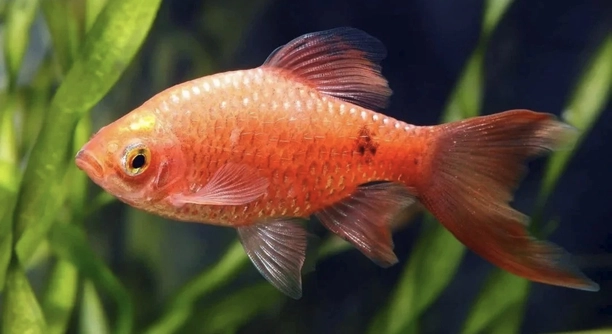
Rosy Barbs are popular freshwater fish known for their lively behavior and bright colors. Many aquarium enthusiasts enjoy watching them swim and interact within their tanks. Their unique swimming traits make them stand out among other fish species.
Rosy Barbs exhibit distinct swimming patterns characterized by agile movements, schooling behavior, and rapid bursts of speed. These traits support their survival and social interaction, setting them apart as unique swimmers in the aquatic environment.
Understanding these swimming characteristics can enhance how you care for and appreciate Rosy Barbs in your aquarium. Their behavior reflects important aspects of their natural instincts and habitat needs.
Agile Movements and Quick Reflexes
Rosy Barbs are known for their agile and swift movements. They rarely stay still, constantly swimming around with sharp turns and quick changes in direction. This agility helps them avoid predators and catch food more efficiently. Their bodies are streamlined, which supports their speed and maneuverability in the water. When they sense danger, they dart away quickly, showing impressive reflexes. These fast, smooth movements also make them interesting to watch as they explore their environment. Their activity level tends to be higher during feeding times or when other fish are nearby. This natural energy contributes to the lively atmosphere in the tank and keeps the fish healthy through constant exercise.
Their quick reflexes make them responsive to changes in their surroundings, increasing their chances of survival.
Keeping an aquarium with Rosy Barbs means appreciating their active nature. Providing enough space and hiding spots helps them feel safe and allows their natural agility to shine. This also encourages them to swim freely, showcasing their unique, energetic movements.
Schooling Behavior
Rosy Barbs swim in groups, often moving together as a school. This behavior is natural and important for their safety and social interaction.
Swimming in schools helps Rosy Barbs protect themselves from predators by confusing attackers with their coordinated movements. It also makes them feel secure, reducing stress. When they swim close together, their movements appear synchronized, creating a smooth flow in the water. Schooling also encourages healthy social behavior, as these fish communicate and respond to each other. In a tank environment, keeping Rosy Barbs in groups of six or more is ideal to support this natural tendency. Without a group, they may become shy or stressed, affecting their health and swimming habits. This social nature enhances their unique swimming style and makes observing them in groups especially enjoyable. Schooling is a key aspect of what makes Rosy Barbs unique swimmers and good tank mates for other peaceful species.
Rapid Bursts of Speed
Rosy Barbs often swim at high speeds in short bursts. These sudden movements help them escape threats and compete for food.
Their quick sprints are powerful despite their small size. When startled, they can dart across the tank with impressive speed, surprising other fish. These bursts also occur during feeding, allowing them to reach food before others. This behavior keeps them alert and active throughout the day.
In an aquarium, this rapid swimming demands enough open space to avoid collisions. Tanks with clutter or overcrowding can limit their natural ability to move quickly, leading to stress. Allowing them room supports their health and showcases this distinctive swimming trait.
Smooth and Graceful Turns
Rosy Barbs make smooth, graceful turns that allow them to navigate easily through plants and decorations. Their flexible bodies help with this fluid motion.
These turning skills are part of their natural swimming style and are useful when maneuvering in tight spaces. Their movements rarely appear jerky, giving them an elegant presence in the water. This agility helps them quickly adjust direction when chasing food or avoiding other fish. The balance between speed and smooth turning makes their swimming appear both dynamic and controlled, reflecting their adaptability in various environments.
Watching these turns in the tank highlights the beauty of their natural movement. It adds a calm yet lively energy to their surroundings, making them a pleasure to observe. Their graceful swimming is a unique feature that complements their bright colors.
Adaptability to Different Water Conditions
Rosy Barbs adjust well to a range of water conditions, which helps them maintain steady swimming habits. This flexibility supports their survival in various environments.
Their ability to tolerate slight changes in pH and temperature keeps them active and healthy. It also allows them to thrive in community tanks alongside different species.
Interaction with Tank Mates
Rosy Barbs are social but can show dominance while swimming. They often establish a hierarchy through movement and positioning in the tank. This behavior helps keep their social structure balanced and stable.
Use of Fins for Balance and Direction
Rosy Barbs use their fins precisely to stay balanced and change direction smoothly. Their fins work together to control speed and maintain stability in the water.
Rest Periods Between Activity
Despite being active swimmers, Rosy Barbs take short rests to conserve energy. These pauses help them recover before moving again.
FAQ
How fast do Rosy Barbs swim?
Rosy Barbs can reach speeds up to several feet per second during their rapid bursts. Their small size combined with a streamlined body helps them move quickly. In an aquarium, their speed might seem slower due to space limits, but they still display quick darting and agile swimming.
Do Rosy Barbs need a large tank to swim properly?
Yes, they do better in tanks that provide enough open swimming space. A tank around 30 gallons or larger is recommended to allow them to move freely. Crowded or heavily planted tanks can restrict their natural swimming style and cause stress.
Are Rosy Barbs aggressive swimmers?
Rosy Barbs show some dominance in groups but are generally peaceful. Their quick movements can sometimes look aggressive, especially when competing for food, but they rarely harm other fish. Keeping them in groups reduces stress and aggressive behavior.
How important is schooling for Rosy Barbs?
Schooling is very important for Rosy Barbs. Swimming in groups helps reduce stress and promotes natural behavior. A group of six or more is ideal to encourage healthy social interaction and synchronized swimming patterns.
Can Rosy Barbs live with other fish?
Rosy Barbs are compatible with many other peaceful species. Their active swimming style fits well with other similarly sized, non-aggressive fish. Avoid slow-moving or delicate fish that might be stressed by the Barbs’ quick bursts and energetic presence.
What water conditions do Rosy Barbs prefer?
They thrive in water temperatures between 64°F and 72°F (18°C to 22°C) and tolerate a pH range of 6.5 to 7.5. Their adaptability to slight variations makes them resilient, but stable water parameters are best for healthy swimming and behavior.
Do Rosy Barbs require special diet to support their swimming activity?
A balanced diet rich in protein helps maintain their energy levels and active swimming. They eat flakes, pellets, and occasional live or frozen foods like brine shrimp or bloodworms. Proper nutrition supports their speed and agility.
How often do Rosy Barbs rest?
Although active, Rosy Barbs take short breaks throughout the day. These rest periods are brief and help them conserve energy between active swimming and feeding times. Resting usually happens near plants or decorations for a sense of security.
Can poor water quality affect their swimming?
Yes, poor water quality can cause lethargy, erratic swimming, or hiding. Clean, well-maintained water is essential for their health and natural swimming habits. Regular water changes and filtration keep them active and stress-free.
Do Rosy Barbs show different swimming patterns when breeding?
During breeding, males become more vibrant and swim more actively to court females. Their swimming may include chasing and displaying fin movements. These behaviors differ from normal schooling and highlight their reproductive instincts.
Rosy Barbs are lively fish with distinct swimming traits that set them apart in any aquarium. Their quick bursts of speed, smooth turns, and schooling behavior all contribute to a unique swimming style. These traits not only help them survive in the wild but also make them interesting to watch at home. Their ability to adapt to different water conditions and their social nature add to their charm as aquatic pets. Understanding these behaviors helps provide better care and creates a more natural environment for them to thrive.
In an aquarium setting, it is important to provide enough space and the right group size for Rosy Barbs. They need room to swim freely and to display their natural movements without stress. Keeping them in groups supports their social behavior and reduces aggression. Offering a balanced diet and maintaining stable water conditions also contribute to their overall health and active swimming. When these needs are met, Rosy Barbs show their full potential as energetic and graceful swimmers.
Taking care of Rosy Barbs involves paying attention to their swimming habits and how they interact with their surroundings. Observing their quick reflexes and schooling patterns can offer insight into their well-being. These fish are not just colorful additions to a tank but are also dynamic creatures with behaviors worth appreciating. Keeping their environment comfortable and stable encourages natural swimming and a healthier, happier fish. Rosy Barbs are a fine choice for anyone who enjoys active and social freshwater fish.

Hello,
If you enjoy the content that we create, please consider saying a "Thank You!" by leaving a tip.
Every little bit helps us continue crafting quality advice that supports the health, happiness, and well-being of pets around the world, for pets of all shapes, sizes, and species.
We really appreciate the kindness and support that you show us!