
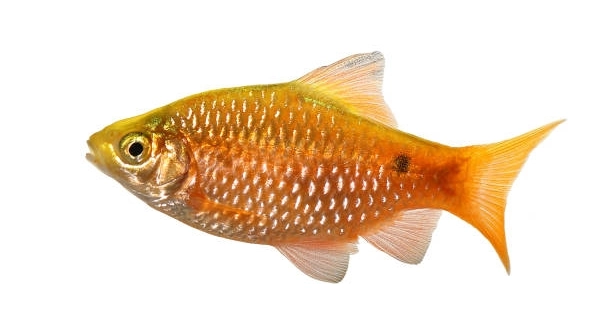
Rosy barbs often press against the glass in their aquarium, catching the attention of many fishkeepers. This behavior can seem puzzling or concerning to those who want to understand their fish better. Observing this action can reveal much about their environment and health.
Rosy barbs press against the glass mainly due to environmental stressors such as poor water quality, lack of space, or insufficient stimulation. These factors can cause discomfort or anxiety, prompting the fish to seek refuge along the tank’s edges.
Understanding why rosy barbs display this behavior helps improve their living conditions and ensures they stay healthy and active in your aquarium.
Common Environmental Causes of Glass-Pressing
Rosy barbs may press against the glass because of their surroundings. When water quality declines, fish can feel stressed and uncomfortable. High levels of ammonia or nitrites can irritate their gills, making them seek relief near the tank edges. Another factor is overcrowding. If the aquarium is too small or there are too many fish, the rosy barbs might feel trapped and cornered. They also need places to explore and hide. Without plants, decorations, or enough space to swim, they may become restless and press against the glass out of boredom. Sudden changes in temperature or lighting can also unsettle them. Maintaining a stable, clean environment helps reduce this behavior and keeps your rosy barbs calm and healthy.
Regular water testing and ensuring adequate tank size with proper decorations create a better habitat for your fish, reducing glass-pressing incidents.
Adjusting water parameters and adding hiding spots can make a significant difference in your rosy barbs’ comfort and behavior.
Signs of Illness or Injury
Pressing against the glass can sometimes indicate health problems. If your rosy barb is injured or sick, it may act differently by isolating itself or rubbing against tank surfaces. Look for other signs like faded colors, clamped fins, or labored breathing. Parasites or infections can cause discomfort, leading to this behavior. It’s important to check your fish carefully and consider water tests or a vet visit if symptoms persist. Early treatment improves recovery chances and prevents spreading illness to other fish. Keeping the tank clean and monitoring behavior regularly supports a healthy environment and helps catch problems before they worsen. Preventing illness through good care is the best way to keep your rosy barbs active and happy.
Tank Setup and Space Needs
Rosy barbs need enough room to swim freely. Crowded tanks can make them anxious, causing them to press against the glass.
A properly sized aquarium is essential for their well-being. A tank of at least 30 gallons is recommended for a small group. This provides enough space to reduce territorial stress and promote natural swimming behavior. Decorations like plants and rocks create hiding spots and areas to explore, keeping the fish engaged. Without these elements, rosy barbs may become bored or stressed, leading to unwanted behaviors like glass-pressing.
Maintaining an appropriate environment with enough space and enrichment helps prevent stress and encourages healthy activity, keeping your rosy barbs comfortable and lively.
Water Quality and Maintenance
Regular water changes and monitoring water parameters are crucial for healthy rosy barbs. Poor water quality often causes stress and abnormal behavior.
Ammonia, nitrite, and nitrate levels should be kept low, with stable pH and temperature suited to rosy barbs. Dirty or contaminated water irritates fish, making them press against the glass for relief or to escape poor conditions. Frequent partial water changes, about 25% weekly, remove waste and toxins, improving water quality. A good filtration system supports a balanced environment. Regular testing and maintenance prevent buildup of harmful substances, ensuring your fish remain comfortable and less likely to display stress-related behaviors.
Stress from Tank Mates
Rosy barbs can become stressed if housed with aggressive or overly active fish. Stress often causes them to press against the glass.
Keeping compatible tank mates helps reduce tension. Peaceful, similar-sized fish make the best companions to avoid conflicts.
Feeding Habits and Diet
A balanced diet supports healthy behavior in rosy barbs. Overfeeding or poor nutrition can lead to lethargy or stress. Feeding small amounts multiple times a day helps maintain their energy and keeps them active. Including a mix of flakes, pellets, and occasional live or frozen foods ensures they get necessary nutrients. Proper feeding routines reduce stress, preventing behaviors like glass-pressing.
Lighting and Aquarium Placement
Too much direct sunlight or harsh artificial lighting can disturb rosy barbs. Keep the aquarium in a low-traffic, softly lit area to reduce stress.
Recognizing Normal Behavior
Pressing briefly against the glass is normal during exploration or feeding time. Persistent pressing, however, suggests a problem needing attention.
FAQ
Why do rosy barbs press against the glass so often?
Rosy barbs press against the glass mainly due to stress from their environment. This behavior can be caused by poor water quality, overcrowding, or lack of stimulation. Sometimes they do it because they are exploring or reacting to reflections. Consistent glass-pressing, however, usually points to discomfort or anxiety in the tank.
Is it harmful if my rosy barbs press against the glass?
Pressing against the glass itself is not directly harmful, but it signals that something may be wrong in their environment. If left unchecked, stress can weaken their immune system and make them vulnerable to disease. It’s important to identify and fix the cause to ensure your fish stay healthy.
How can I tell if glass-pressing means illness?
Look for other symptoms such as faded color, clamped fins, labored breathing, or unusual swimming patterns. If your rosy barb rubs against surfaces repeatedly, it might be trying to relieve irritation from parasites or infections. A water test and close observation will help determine if illness is present.
What tank size is best to prevent this behavior?
A minimum of 30 gallons is recommended for a small group of rosy barbs. This size allows enough swimming space and reduces territorial stress. Bigger tanks are always better, especially if you keep more fish or other species together.
How often should I clean the tank to keep my rosy barbs comfortable?
Partial water changes of about 25% weekly help maintain water quality. Regularly removing uneaten food and waste prevents toxins from building up. Keeping the tank clean reduces stress and discourages glass-pressing behavior.
Can the wrong tank mates cause rosy barbs to press against the glass?
Yes, aggressive or overly active tank mates can stress rosy barbs. Choosing peaceful fish of similar size minimizes conflicts. If your barbs seem nervous or hide frequently, consider adjusting their tank companions.
Does lighting affect rosy barbs’ behavior?
Harsh or constant lighting can disturb rosy barbs, causing stress and unusual behavior. Use moderate lighting and avoid placing the tank in direct sunlight. Creating a natural day-night cycle helps your fish feel more secure.
What role does diet play in their behavior?
A balanced diet keeps rosy barbs energetic and healthy. Overfeeding or poor nutrition can cause lethargy or stress. Feed them small amounts multiple times a day, including flakes, pellets, and occasional live or frozen foods for variety.
Is glass-pressing a sign of boredom?
Yes, lack of stimulation can lead to restless behavior like pressing against the glass. Providing plants, rocks, and enough swimming space encourages natural activity and reduces boredom.
Should I be worried if my rosy barbs only press the glass at certain times?
Occasional glass-pressing during feeding or when new objects appear in the tank is normal. Persistent or constant pressing at other times suggests stress or discomfort that needs attention.
Can reflections in the glass cause this behavior?
Sometimes, rosy barbs may react to their reflection, mistaking it for another fish. This can cause temporary glass-pressing or chasing. Reducing reflections by adjusting lighting or adding background decorations can help.
How do I create a better environment to prevent glass-pressing?
Maintain good water quality, provide adequate space, and add decorations for hiding and exploring. Monitor tank mates carefully and keep a balanced diet. Regular maintenance and observation are key to a comfortable environment.
When should I consult a vet or aquarium specialist?
If your rosy barbs show signs of illness alongside glass-pressing, such as persistent lethargy, physical damage, or worsening symptoms despite water quality improvements, seek professional advice promptly. Early intervention improves recovery chances.
Rosy barbs pressing against the glass is a behavior that can have several causes, mostly related to their environment and health. It often signals that the fish are experiencing some kind of stress or discomfort. This behavior should not be ignored, as it can indicate problems such as poor water quality, overcrowding, or illness. Paying close attention to the fish and their tank conditions helps prevent ongoing stress and promotes a healthier, more comfortable environment for them.
Maintaining the right tank setup is key to reducing glass-pressing. Ensuring the aquarium is large enough, clean, and well-decorated gives rosy barbs space to swim freely and places to hide or explore. Regular water changes and testing keep water quality high, which is crucial for their well-being. The presence of peaceful tank mates and proper lighting also plays a role in keeping the fish calm. Together, these factors help your rosy barbs feel secure and less likely to display stress behaviors.
If glass-pressing continues despite improving tank conditions, it could be a sign of illness or injury. Observing other symptoms and acting quickly can make a big difference in recovery. Feeding a balanced diet and monitoring fish behavior regularly also support their health. Overall, understanding the reasons behind this behavior allows you to take the right steps to improve your rosy barbs’ quality of life and enjoy a lively, thriving aquarium.

Hello,
If you enjoy the content that we create, please consider saying a "Thank You!" by leaving a tip.
Every little bit helps us continue crafting quality advice that supports the health, happiness, and well-being of pets around the world, for pets of all shapes, sizes, and species.
We really appreciate the kindness and support that you show us!