
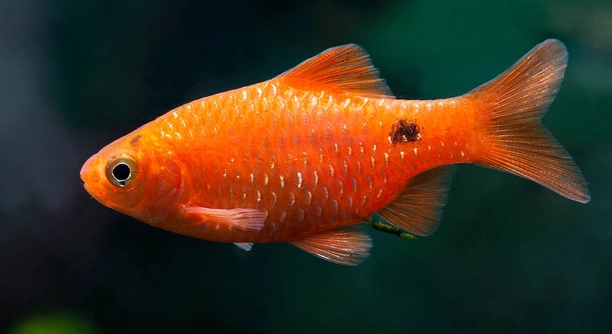
Rosy barbs are popular freshwater fish known for their vibrant colors and active nature. Keeping them healthy requires attention to their behavior and environment. Early signs of illness can help prevent serious problems before they worsen.
Detecting a sick rosy barb early involves observing changes in appearance, behavior, and swimming patterns. Common indicators include faded color, lethargy, clamped fins, and abnormal spots or swelling. Prompt recognition allows timely intervention and improves recovery chances.
Recognizing these signs early can help protect your fish and maintain a healthy aquarium environment. This guide will share practical tips to spot illness before it spreads.
Changes in Color and Fading
When rosy barbs start to lose their vibrant color, it is often one of the first signs something is wrong. Healthy rosy barbs typically have bright red or rosy hues along their bodies and fins. If you notice their color becoming dull, pale, or patchy, it can indicate stress or illness. This fading may result from poor water quality, disease, or inadequate nutrition. Monitoring color changes regularly is important because it is an easy visual cue. Sometimes, color loss happens gradually, so keeping an eye on your fish daily helps catch problems early. Addressing water parameters like ammonia, nitrite, and nitrate levels can often improve their color and overall health.
Faded or dull colors are a clear warning sign to check the tank environment and fish condition closely.
By understanding the causes of color changes, you can take swift steps to restore your rosy barbs’ health. Proper diet, clean water, and avoiding overcrowding are key to maintaining their bright appearance and vitality.
Abnormal Swimming and Behavior
Abnormal swimming patterns often indicate discomfort or illness in rosy barbs. Fish might swim erratically, float listlessly near the surface, or hide more than usual. These behaviors show they could be dealing with infections, parasites, or poor water quality. Early recognition of these signs is crucial because it allows for prompt treatment, preventing the condition from worsening.
Monitoring your fish’s swimming habits regularly helps spot problems early.
When a rosy barb swims abnormally, it may also lose appetite and become less active. This could signal internal issues such as swim bladder disease or bacterial infections. Some fish may gasp at the water surface if oxygen levels are low. Keeping the tank clean, testing water parameters, and isolating affected fish for treatment are effective steps. Regular observation and immediate action help protect your fish from serious health issues and maintain a peaceful aquarium environment.
Clamped Fins
Clamped fins are a common sign that a rosy barb is unwell. This condition means the fish holds its fins tightly against its body instead of spreading them out naturally. It often indicates stress, poor water conditions, or illness.
When fins remain clamped for a prolonged period, it reduces the fish’s ability to swim properly and can cause discomfort. This behavior is frequently linked to infections like fin rot or parasites. It may also result from sudden changes in water temperature or chemical imbalances. Observing your fish for clamped fins daily allows you to react quickly by testing water quality and adjusting care routines. Treating the underlying cause early often helps the fins return to their normal state.
Providing a clean, stable environment with proper nutrition supports fin health and helps your rosy barb recover from clamping.
Spots and Lesions
White or red spots on a rosy barb’s body usually signal an infection or parasite problem. These spots can be small and scattered or larger and more concentrated. They are often accompanied by redness or irritation around the affected areas. These physical changes should never be ignored, as they often indicate common diseases like ich or bacterial infections.
Treating spots early is essential to prevent the illness from spreading or becoming fatal. Depending on the cause, treatments may include medicated baths, water changes, or adding antibiotics to the tank. Quarantining the affected fish can help avoid contaminating others. Spotting these changes quickly allows you to address issues promptly.
Maintaining good tank hygiene and avoiding sudden water changes reduce the chances of spot-related diseases appearing in your rosy barbs.
Loss of Appetite
A rosy barb that stops eating or shows less interest in food may be sick. Appetite loss often signals internal issues or stress. It’s important to monitor feeding habits closely.
Reduced food intake can lead to weakness and slower recovery. Prompt attention can prevent further health decline.
Rapid Gill Movement
Rapid gill movement suggests your fish might be struggling to breathe properly. This symptom often points to low oxygen levels or gill infections. Checking water oxygenation and quality is critical when you see this sign.
If untreated, breathing difficulties can worsen quickly. Increasing aeration and performing water changes may help your fish recover.
Swelling and Bloating
Swelling or bloating in rosy barbs often indicates internal problems such as dropsy or constipation. This condition causes the fish’s abdomen to appear enlarged or misshapen. Early detection is vital for effective treatment.
Ignoring swelling can lead to serious health risks. Specialized medication and dietary adjustments are usually required to address this symptom.
Lethargy and Isolation
Lethargy means your fish is less active than usual and may isolate itself. This behavior often signals illness or stress. Keeping an eye on activity levels helps catch problems early.
FAQ
How can I prevent my rosy barbs from getting sick?
Preventing illness in rosy barbs starts with maintaining clean water and stable conditions. Regularly test water parameters like pH, ammonia, nitrites, and nitrates. Perform consistent water changes to reduce waste buildup. Avoid overcrowding the tank, as stress weakens fish immune systems. Feed a balanced diet with quality flakes or pellets and occasional live or frozen food to keep them healthy. Quarantine new fish before adding them to the main tank to prevent introducing diseases. Proper filtration and aeration also play key roles in keeping your rosy barbs well.
What are the most common diseases affecting rosy barbs?
Rosy barbs are susceptible to several common diseases such as ich (white spot disease), fin rot, and bacterial infections. Ich presents as tiny white spots on the fish’s body and fins. Fin rot causes fins to become ragged and clamped. Bacterial infections may cause redness, ulcers, or swelling. Parasites like gill flukes can cause rapid gill movement and breathing difficulties. Early detection and proper treatment are crucial to prevent these diseases from worsening or spreading.
When should I isolate a sick rosy barb?
Isolation is important when a fish shows signs of contagious illness like spots, ulcers, or unusual behavior. Separating the affected fish helps stop disease from spreading to others. Use a quarantine tank with clean, stable water and proper filtration. This also allows you to administer medication more easily and monitor the fish closely. If unsure, isolating the fish as a precaution is better than risking infection in the main tank.
What treatments are safe for rosy barbs?
Common treatments include medicated baths, aquarium antibiotics, and anti-parasitic medications. Always follow dosage instructions carefully to avoid harming your fish or beneficial tank bacteria. Salt baths can help with minor infections or parasites but should be used cautiously. Improving water quality often aids recovery alongside medication. Consult an experienced aquarist or veterinarian if symptoms persist or worsen.
Can diet affect my rosy barb’s health?
Yes, a poor diet can weaken your fish’s immune system and cause color fading or loss of appetite. Providing a varied diet with quality flakes, pellets, and occasional protein-rich foods supports their health and vibrancy. Avoid overfeeding, as leftover food can pollute the water. Feeding smaller amounts several times a day is better than one large feeding.
How often should I check my tank’s water quality?
It’s best to test water parameters at least once a week, especially ammonia, nitrites, and nitrates. Sudden changes in these levels can stress your fish and cause illness. Regular testing helps you act quickly if conditions worsen. Keep a log of your readings to track trends over time and spot issues early.
What signs mean my rosy barb needs immediate attention?
Signs like rapid breathing, severe lethargy, loss of color, clamped fins, visible spots or wounds, and swelling require quick action. These symptoms may indicate serious illness or poor water conditions. Address water quality issues first, then apply appropriate treatments. Acting fast increases the chances of recovery.
Is it normal for rosy barbs to hide or isolate sometimes?
Rosy barbs are usually active and social, so frequent hiding or isolation can be a sign of stress or illness. Occasional hiding may happen during rest or if new tankmates cause tension. Persistent isolation, combined with other symptoms, should prompt closer observation and possible intervention.
How can I improve my rosy barb’s tank environment?
Provide plenty of swimming space, plants, and hiding spots to reduce stress. Maintain a stable temperature around 72-78°F (22-26°C) and neutral to slightly alkaline pH. Use a reliable filter and aeration system. Avoid sudden changes in lighting or water chemistry. A comfortable environment helps keep rosy barbs healthy and active.
What is the best way to introduce new fish to my tank?
Quarantine new fish for at least two weeks to observe signs of illness. Gradually acclimate them to your tank’s water temperature and chemistry by floating their bag or slowly mixing tank water. Introduce new fish during calm periods to reduce stress and aggression. Watch all fish closely for several days after introduction to ensure everyone adjusts well.
Maintaining the health of rosy barbs requires consistent care and attention. Watching for early signs of illness like color fading, clamped fins, or abnormal swimming can help prevent serious problems. Keeping the tank clean and stable is essential to supporting their well-being. Regular water tests, proper feeding, and avoiding overcrowding all contribute to a healthy environment. Being proactive in caring for your fish will reduce the chances of sickness and keep your rosy barbs active and colorful.
When illness does occur, early detection is key. Recognizing symptoms such as spots, swelling, loss of appetite, or rapid gill movement allows for quicker treatment. Separating sick fish and adjusting water conditions can often stop diseases from spreading. Using proper medications as directed will help your fish recover more smoothly. Understanding common health issues and their signs gives you the confidence to take necessary steps to protect your fish before the situation worsens.
Overall, caring for rosy barbs is rewarding when their health is maintained through simple but consistent routines. Paying close attention to their behavior and appearance provides important clues about their well-being. Small changes can signal larger problems, so monitoring regularly is important. With proper care, your rosy barbs will thrive and add beauty to your aquarium for a long time. Taking these measures seriously benefits both the fish and the enjoyment of your aquarium.

Hello,
If you enjoy the content that we create, please consider saying a "Thank You!" by leaving a tip.
Every little bit helps us continue crafting quality advice that supports the health, happiness, and well-being of pets around the world, for pets of all shapes, sizes, and species.
We really appreciate the kindness and support that you show us!