
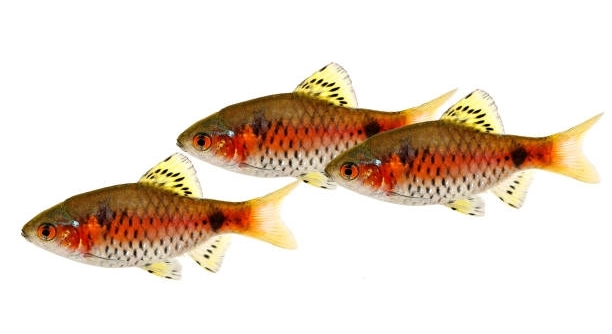
Is your rosy barb swimming alone, away from its group? Sometimes these colorful fish act differently than expected in a community tank. Their behavior can be confusing and a bit worrying for fish lovers.
Rosy barbs may isolate themselves due to stress, illness, or bullying from other fish. Environmental factors like water quality or tank setup can also cause this behavior, leading the fish to seek solitude rather than stay with the group.
Learning more about these causes can help improve your fish’s well-being and bring harmony back to your aquarium.
Common Causes of Isolation in Rosy Barbs
Rosy barbs are social fish that usually swim in groups. When one fish stays alone, it can be a sign of something going wrong. Sometimes, the isolated behavior happens because of stress caused by overcrowding or poor water conditions. If the tank is too small or dirty, the fish can become anxious and prefer to hide away from others. Illness is another reason. A sick fish will often separate itself to recover without being disturbed. Bullying by more aggressive tank mates also makes rosy barbs avoid the group. When one fish is chased or nipped, it will try to find a quiet place. Even changes in the tank setup, like new decorations or rearranged plants, can temporarily make a rosy barb feel insecure and isolate itself. Watching your fish carefully can help you spot these signs early.
Stress, illness, or bullying often cause isolation in rosy barbs. These issues affect their comfort and safety in the tank.
Addressing the root of the problem is key. Start by checking water quality—poor conditions can quickly lead to stress or sickness. Ensure the tank is spacious enough for all fish to swim freely without feeling crowded. Remove aggressive fish if bullying is evident. If the isolated fish is sick, quarantine and treat it separately to prevent spreading disease. Adding plenty of hiding spots with plants or decorations can help shy or stressed rosy barbs feel more secure. Regular observation and maintenance create a calm environment, encouraging the fish to rejoin their group and behave naturally again.
How Tank Environment Affects Rosy Barb Behavior
Rosy barbs need clean, stable water and enough space to thrive. Poor tank conditions often lead to changes in their behavior.
A well-maintained environment supports healthy social interactions. Proper filtration and regular water changes keep toxins low and oxygen levels high. If the water is too warm, cold, or dirty, fish become stressed and may isolate. The size of the tank matters as well; a small tank limits movement and increases tension. Adding plants and hiding places helps fish feel safe, reducing isolation. Balancing tank mates by avoiding aggressive species also improves group harmony. By creating a peaceful, comfortable environment, you help your rosy barbs stay active and social.
Signs Your Rosy Barb Is Feeling Unwell
Isolation is often one of the first signs that a rosy barb may be sick. Other symptoms include loss of appetite, faded colors, and sluggish swimming.
Watching your fish closely helps catch illness early. If your rosy barb is hiding more than usual or seems weak, these behaviors could indicate a health problem. Parasites, bacterial infections, or poor water quality often cause these symptoms. Check the water temperature, clarity, and chemical levels. Also, look for physical signs like spots, fin damage, or swelling. Prompt action improves the chances of recovery. Treating the fish or improving tank conditions can help your rosy barb feel better and rejoin the group.
Sometimes, fish may isolate because they are molting or recovering from minor injuries caused by rough play or nipping. Stress from sudden changes like moving tanks or adding new fish can also make them temporarily withdrawn. Patience and gentle care usually encourage the fish to regain confidence and socialize again.
Preventing Isolation by Improving Tank Conditions
Keeping your tank clean and stable reduces stress for your rosy barbs. Regular water changes and testing are essential for healthy fish.
Maintaining good water quality means monitoring parameters such as pH, ammonia, nitrites, and nitrates. Sudden shifts can cause discomfort and isolation. Avoid overcrowding the tank to ensure each fish has enough space to swim freely. Providing plenty of plants and hiding spots helps fish feel secure, especially shy or stressed individuals. Choose compatible tank mates to minimize aggression and competition. Consistent lighting and temperature reduce stress as well. When the environment is stable and safe, rosy barbs are more likely to stay active and social within their group.
Social Behavior of Rosy Barbs
Rosy barbs are naturally social fish that prefer to live in groups. Being isolated often means something is disrupting their usual behavior.
When one fish separates, it can signal stress, illness, or conflict within the tank. Understanding their social needs helps keep them healthy and active.
Effects of Bullying in the Aquarium
Bullying among fish can cause the weaker ones to isolate. Aggressive tank mates may chase or nip at rosy barbs, leading them to hide.
This behavior can harm the bullied fish’s health and reduce its appetite. It’s important to observe interactions and remove aggressive fish if necessary.
How to Encourage Your Rosy Barb to Rejoin the Group
Providing plenty of hiding spaces and maintaining a calm environment helps shy or stressed rosy barbs feel safe. Gradual tank changes reduce anxiety.
Consistency in feeding times and water quality supports their recovery and social behavior. With patience, isolated fish often return to the group naturally.
FAQ
Why is my rosy barb staying alone at the bottom of the tank?
When a rosy barb stays at the bottom and away from the group, it often means it feels stressed or unwell. Poor water quality, sudden changes in temperature, or illness can make the fish less active. Sometimes, bullying from other fish forces it to hide at the bottom. Check water parameters and watch for signs of disease. Improving the environment and removing aggressive tank mates usually helps the fish return to normal behavior.
Can a new fish cause my rosy barb to isolate itself?
Yes, adding new fish to the tank can upset the balance. Newcomers may act aggressively or compete for food and space, stressing existing fish. Rosy barbs may isolate themselves until they adjust to the change. To reduce stress, introduce new fish slowly and provide plenty of hiding spots. Make sure the tank is large enough to accommodate all the fish comfortably.
How long does it take for a rosy barb to stop isolating?
The time varies depending on the cause. If the isolation is due to stress or bullying, it can take days or weeks for the fish to feel safe again. If illness is the cause, recovery time depends on the treatment and severity. Creating a stable, calm environment speeds up the process. Patience is important; sudden changes may worsen the problem.
Is it normal for a rosy barb to be shy sometimes?
Yes, some rosy barbs are naturally more timid, especially in new or busy tanks. They may isolate briefly when stressed by loud noises, bright lights, or frequent tank disturbances. This shyness usually decreases once the fish feels secure. Providing plants and decorations gives them safe spots to retreat and reduces stress.
Could water quality problems cause isolation?
Absolutely. Poor water quality is a common cause of stress and sickness in fish. High ammonia or nitrite levels, incorrect pH, and temperature fluctuations can make rosy barbs feel unsafe, leading to isolation. Regular water testing and maintenance are essential to keep your fish healthy and social.
Should I separate an isolated rosy barb from the group?
Only if the fish shows clear signs of illness or injury. Quarantining sick fish prevents spreading disease to others. However, if isolation is caused by stress or bullying, improving tank conditions and removing aggressive fish is better than separation. Being alone for too long may increase stress and delay recovery.
How can I prevent bullying in my tank?
To prevent bullying, avoid overcrowding and choose peaceful tank mates. Provide plenty of hiding places so shy fish can escape if needed. Monitor fish behavior regularly and remove any aggressive individuals promptly. Keeping a balanced group size reduces competition and helps maintain peace.
Does diet affect social behavior in rosy barbs?
Yes, a poor diet can weaken fish and make them less active or more vulnerable to stress. Feeding high-quality, varied food supports their immune system and energy levels. Healthy fish are more likely to stay active and interact normally with their group.
Can tank decorations affect rosy barb behavior?
Decorations can help by providing hiding spots and reducing stress. However, overcrowding the tank with too many objects can limit swimming space and increase aggression. Balance decorations to create a safe yet open environment.
What signs mean my rosy barb is recovering from isolation?
Look for increased swimming activity, brighter colors, and more frequent interaction with other fish. The fish will start exploring the tank and joining the group during feeding times. These are good signs that it feels comfortable and healthy again.
Final Thoughts
Rosy barbs are naturally social fish that enjoy swimming in groups. When one of them becomes isolated, it usually means something is wrong in their environment or health. This behavior should not be ignored because it can be a sign of stress, illness, bullying, or poor water conditions. Paying attention to how your fish behaves daily can help you spot problems early and take action before things get worse. Watching your fish closely is one of the best ways to keep them healthy and happy.
Creating a comfortable tank environment is key to preventing isolation. Clean water, proper temperature, enough space, and hiding spots help rosy barbs feel safe and relaxed. Aggressive tank mates or overcrowding cause tension and stress, which often lead to one fish separating from the group. Taking time to choose peaceful fish companions and maintaining good tank conditions will encourage your rosy barbs to swim together and interact. Small changes, like adding plants or rearranging decorations, can make a big difference in your fish’s comfort and behavior.
If you notice a rosy barb isolating, check the water quality and look for signs of illness or bullying. Sometimes, a sick fish needs treatment or quarantine to recover. Other times, changing the tank setup or removing aggressive fish can solve the problem. Patience is important because it can take time for a fish to feel safe again and rejoin the group. With consistent care and attention, your rosy barbs will likely return to their normal social behavior and brighten your aquarium with their active, friendly swimming.

Hello,
If you enjoy the content that we create, please consider saying a "Thank You!" by leaving a tip.
Every little bit helps us continue crafting quality advice that supports the health, happiness, and well-being of pets around the world, for pets of all shapes, sizes, and species.
We really appreciate the kindness and support that you show us!