
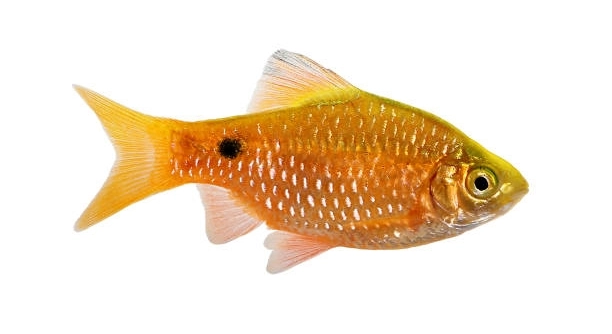
Tank stress can affect the health and behavior of aquatic animals. It often happens when water quality, space, or tank conditions are not ideal. Reducing tank stress can help create a calmer and healthier environment for your fish or other aquatic pets.
The most effective ways to reduce tank stress include maintaining clean water, providing proper filtration, avoiding overcrowding, regulating temperature, ensuring proper lighting, adding hiding spots, and performing regular tank maintenance. These actions create a stable habitat that supports aquatic life.
These simple steps can improve your tank’s atmosphere and keep your aquatic pets comfortable. Small changes often lead to big improvements in their well-being and behavior.
Keep the Water Clean and Clear
Maintaining clean water is the most important step in reducing tank stress. Dirty water quickly leads to poor health for your aquatic pets. Regular water changes help remove toxins like ammonia and nitrites that build up over time. Testing water parameters often ensures the levels of pH, hardness, and temperature stay stable. Filters should be cleaned but not replaced too often, to preserve beneficial bacteria that break down waste. Removing uneaten food and debris from the tank floor also prevents decay that can pollute the water. By keeping the water clean and clear, fish and other animals breathe easier and feel less stressed.
Clean water helps fish swim actively and reduces disease risks. Healthy water means a happier tank overall.
Regular water changes and filter care protect the balance inside your tank. Small, consistent efforts keep the water safe and supportive for all your aquatic pets.
Provide Adequate Space
Overcrowding causes a lot of stress in tanks. Each fish needs enough room to swim freely and establish its territory. When tanks are too crowded, fish become aggressive or hide too much. Overcrowding also increases waste and lowers oxygen levels, making the environment uncomfortable. Choosing the right tank size for the number and type of fish is essential. Giving them space reduces stress and improves overall health. This simple adjustment makes a big difference in how your aquatic pets behave and thrive.
Regulate Temperature Consistently
Fish are sensitive to temperature changes. Sudden shifts can cause stress and illness. Use a reliable heater or chiller to keep the temperature steady. Avoid placing the tank near windows or vents where temperatures fluctuate often.
Maintaining a stable temperature prevents shock to your aquatic pets. Different species have ideal temperature ranges, so it’s important to know what your fish need. Consistent warmth supports their metabolism and immune system. Sudden cold or heat can weaken them, making them more vulnerable to disease. A thermostat helps keep the temperature constant and safe.
Temperature stability also encourages natural behavior and feeding. When the environment stays consistent, fish feel secure and less stressed. Regular checks ensure your equipment is working well to maintain comfort.
Add Hiding Spots and Decorations
Hiding places reduce stress by giving fish a safe retreat. Plants, caves, and rocks provide shelter and break line of sight, which helps shy or territorial species feel secure. These additions mimic natural environments, making the tank more comfortable.
Decorations also create visual barriers that limit aggressive encounters. Fish can establish territories without constant fighting, which lowers stress. Choose non-toxic, smooth objects to avoid injury. Live plants improve water quality and offer natural hiding spots, but artificial ones work too if well cleaned.
Well-placed hiding spots encourage exploration and natural behavior. They also offer resting places during stressful times like feeding or tank cleaning. A thoughtfully decorated tank improves fish well-being and creates a balanced environment.
Avoid Overfeeding
Overfeeding causes waste buildup and water pollution, which stresses fish. Feed small amounts and remove leftovers to keep the tank clean.
Stick to feeding only what your fish can eat in a few minutes. This helps maintain water quality and keeps your aquatic pets healthy.
Use Proper Lighting
Proper lighting supports natural fish rhythms and plant growth. Too much or too little light can cause stress and algae problems.
Adjust the lighting duration to about 8-10 hours a day. Use timers to keep a consistent schedule that mimics natural day and night cycles.
Perform Regular Tank Maintenance
Routine cleaning and equipment checks keep the tank safe and stable. Remove algae and debris, clean filters gently, and test water regularly.
Keeping up with maintenance prevents sudden changes that stress aquatic life and supports a healthy, balanced environment.
Monitor Fish Behavior
Watching your fish helps spot early signs of stress or illness. Changes in swimming, eating, or appearance indicate a problem.
FAQ
How often should I change the water to reduce tank stress?
Water changes should happen regularly, usually once a week, replacing about 10-20% of the tank water. This keeps harmful chemicals like ammonia and nitrites low and helps maintain stable water conditions. More frequent changes may be needed if the tank is crowded or if water tests show poor quality.
What is the best way to test water quality?
Using a reliable aquarium test kit is the easiest way to check water parameters. Test for ammonia, nitrites, nitrates, pH, and hardness. Regular testing helps catch problems early before they stress your fish. Keep a log to track changes over time and adjust maintenance accordingly.
Can I use tap water directly in my tank?
Tap water often contains chlorine or chloramine, which are harmful to fish. Always treat tap water with a water conditioner before adding it to the tank. This neutralizes toxins and makes the water safe for your aquatic pets.
Why do fish hide more when stressed?
Fish hide to feel safe and avoid perceived threats. Stress can come from overcrowding, poor water quality, or sudden changes in the tank. Providing plenty of hiding spots helps them feel secure and reduces overall stress.
How do I know if my fish are stressed?
Signs include erratic swimming, loss of appetite, faded colors, hiding excessively, or gasping at the surface. Stress weakens their immune system and makes them more vulnerable to disease. Early detection helps you fix problems faster.
Is it okay to mix different fish species in one tank?
Mixing species can be risky if their needs or temperaments differ greatly. Aggressive fish can stress or injure peaceful species. Research each fish’s behavior, size, and water requirements before combining them to avoid unnecessary stress.
How important is tank size for reducing stress?
Tank size matters a lot. Crowded tanks increase aggression and waste buildup, which stress fish. Providing enough space allows fish to swim freely and establish territories. Bigger tanks are easier to maintain stable water conditions, reducing stress further.
What role does filtration play in tank health?
Good filtration removes waste, toxins, and debris from the water. It also promotes beneficial bacteria growth, which breaks down harmful substances. A properly sized filter keeps the water clean and oxygenated, directly reducing fish stress.
Can stress cause fish to get sick?
Yes, stress lowers fish immunity and makes them more prone to infections and parasites. Stressful conditions like poor water quality or overcrowding are often the root causes of illness. Maintaining a healthy environment helps prevent disease.
How can I reduce stress during tank cleaning?
Clean the tank gently and avoid sudden changes. Use water from the tank to rinse decorations and filters to preserve helpful bacteria. Perform water changes slowly to prevent shock. Keeping a calm routine helps fish stay comfortable during maintenance.
Final Thoughts
Reducing tank stress is essential for keeping your aquatic pets healthy and happy. Stress can cause many problems like illness, poor growth, and odd behavior. The good news is that small changes in how you care for your tank can make a big difference. Simple steps like keeping the water clean, providing enough space, and maintaining a steady temperature all help create a safe and comfortable environment for your fish. When the tank conditions are stable, your fish will swim more actively, eat better, and show their natural colors. These are signs of a well-balanced and stress-free tank.
It’s also important to pay attention to your fish’s behavior. Watching them regularly helps you spot early signs of stress or illness. If you notice any unusual swimming, hiding, or loss of appetite, check the water quality and tank setup right away. Quick action can prevent problems from getting worse. Remember that fish are sensitive to changes, so keeping their environment consistent is key. This means regular water testing, careful feeding, and gentle tank cleaning. Taking time to maintain your tank properly will make your fish feel secure and reduce stress levels.
Overall, creating a peaceful tank environment takes some effort but is very rewarding. Your aquatic pets depend on you for a stable home. By following the basic steps to reduce stress, you are helping them live longer, healthier lives. Even small improvements like adding hiding spots or adjusting lighting can have a positive impact. When you focus on these details, your tank becomes a better place for your fish to thrive. Keeping stress low is the best way to enjoy a beautiful, active, and healthy aquarium.

Hello,
If you enjoy the content that we create, please consider saying a "Thank You!" by leaving a tip.
Every little bit helps us continue crafting quality advice that supports the health, happiness, and well-being of pets around the world, for pets of all shapes, sizes, and species.
We really appreciate the kindness and support that you show us!