
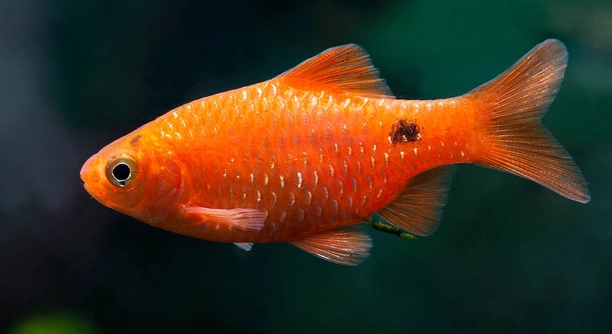
Rosy barbs are popular freshwater fish known for their bright colors and active nature. Many fish owners enjoy watching them swim gracefully in their tanks. These fish often react to changes in their environment, including movements near their habitat.
Rosy barbs can be startled by sudden or vigorous tank movement. Their natural response includes darting away or hiding, which is a defensive behavior to perceived threats. Frequent disturbances may cause stress and affect their overall well-being.
Learning how tank movement affects rosy barbs helps owners create a calm environment for their fish. This knowledge supports healthier, happier fish in home aquariums.
How Rosy Barbs React to Tank Movement
Rosy barbs are naturally alert fish. When their tank moves suddenly or shakes, they can get easily startled. This reaction is linked to their survival instincts. In the wild, quick movements might signal a predator nearby. In a home tank, these movements often come from tapping the glass, adjusting decorations, or even someone walking too close. When startled, rosy barbs swim quickly to hide or gather in groups for safety. Frequent disturbances can cause stress, which weakens their immune system and makes them more prone to illness. It’s important to handle tank maintenance gently and avoid sudden movements. A calm environment allows rosy barbs to feel secure, swim freely, and show their natural colors and behaviors. Watching them relaxed is much more enjoyable than seeing them stressed or hiding.
Keeping the tank in a stable place with minimal vibrations reduces how often rosy barbs get startled.
Providing hiding spots like plants or decorations gives them a safe retreat during any unavoidable movements. This helps reduce their stress.
Minimizing Stress from Tank Movement
Stress in rosy barbs affects their health and lifespan. Regular, gentle tank care prevents unnecessary fright. Avoid tapping the glass or sudden loud noises near the aquarium. When cleaning or rearranging decorations, move slowly and calmly to avoid shocking the fish. Using equipment that causes vibrations, like some filters or pumps, may also disturb them. Choosing quieter equipment and placing the tank on a sturdy surface reduces these issues. If the tank is in a busy area with lots of foot traffic, consider relocating it to a quieter spot. Watching how your rosy barbs react helps you understand when they feel safe or stressed. Over time, you can create a routine that keeps them calm. A peaceful tank encourages healthy behavior and vibrant fish, making the aquarium more enjoyable for everyone.
Recognizing Signs of Stress in Rosy Barbs
Rosy barbs show stress through changes in behavior and appearance. They may become less active, hide more often, or lose their bright colors. Watching for these signs helps prevent long-term health problems.
Stress can cause rosy barbs to lose appetite and swim erratically. They might isolate themselves or gasp at the water surface. Changes in color, such as dullness or faded scales, also indicate discomfort. Prolonged stress weakens their immune system, making them vulnerable to diseases. These signs often result from frequent disturbances like tank movement, poor water quality, or incompatible tank mates. Monitoring your fish daily ensures early detection. Adjusting the environment or reducing sudden movements helps restore their health. Keeping water clean and stable supports their recovery. Paying attention to subtle changes allows you to provide the best care for your rosy barbs.
Creating a calm tank environment with plenty of hiding spots reduces their stress and promotes natural behavior.
Setting Up Your Tank to Prevent Startling
Place the tank in a quiet, low-traffic area to reduce sudden vibrations and noise. Use sturdy furniture to support the tank and avoid shaking. Adding plants and decorations provides shelter, helping rosy barbs feel secure. Soft lighting also reduces stress compared to bright or flickering lights. Regular, gentle tank maintenance avoids startling fish during cleaning. Avoid tapping the glass or sudden hand movements near the tank. Quiet filters and pumps minimize vibrations. Keeping the environment stable supports the fish’s well-being and encourages natural activity. Small adjustments in tank setup make a big difference in reducing stress responses caused by movement.
Choosing tank mates wisely also plays a role. Avoid aggressive fish that may frighten rosy barbs. Peaceful companions encourage a calm atmosphere, which helps all fish thrive. Regular observation helps detect early signs of stress, making it easier to keep the tank peaceful and healthy for your rosy barbs.
Common Causes of Tank Movement
Tank movement often happens during cleaning or rearranging decorations. Even bumping the stand accidentally can cause noticeable shaking.
Strong water flow from filters or pumps can also create vibrations that startle rosy barbs.
How to Calm Startled Rosy Barbs
When rosy barbs get startled, they usually swim quickly to a hiding spot. Giving them plants or caves helps them feel safe. Speaking softly and moving slowly around the tank lowers their stress. Over time, they learn the tank is a secure place and start to relax more.
Using Plants to Reduce Stress
Live or artificial plants offer hiding places and reduce sudden visual disturbances. They create a natural barrier that helps rosy barbs feel protected and less exposed to sudden movements. This simple addition improves their comfort in the tank.
FAQ
Can tank movement harm rosy barbs physically?
Tank movement itself usually does not cause physical harm to rosy barbs unless it is very strong or sudden. Most of the impact is on their stress levels rather than their bodies. If the tank shakes violently, fish may bump into decorations or the tank walls, risking injury. Gentle vibrations or minor movements tend to startle them but won’t cause damage. It’s important to avoid rough handling of the tank to protect your fish from any accidental harm.
How often should I clean my tank without stressing rosy barbs?
Cleaning should be done regularly but carefully. Weekly partial water changes (about 20-30%) keep water quality high without disturbing the fish too much. During cleaning, avoid sudden or fast movements near the tank. Remove and clean decorations gently, and use quiet equipment. Spreading out tasks over a few days instead of doing everything at once can reduce stress. The key is to keep a calm environment so your rosy barbs don’t get startled every time you care for their home.
Will rosy barbs get used to tank movement over time?
Yes, rosy barbs can gradually get used to mild, regular tank movements if these happen in a calm and predictable way. If the tank is in a stable spot and movements happen slowly, the fish may become less jumpy. However, sudden or loud disturbances are harder for them to ignore. Consistency in the environment helps build their confidence. Still, it’s best to limit unnecessary movements to keep stress low and maintain their health.
Are there specific tank setups that reduce stress from movement?
Tanks with plenty of plants, caves, and hiding spots help reduce stress caused by movement. Soft substrates and decorations that don’t shift easily prevent sudden changes inside the tank. A quiet filter and stable stand also reduce vibrations. Positioning the tank away from doors, windows, or busy areas helps. Using a tank hood or cover can reduce light flicker or shadows that startle fish. These small adjustments improve your rosy barbs’ comfort by creating a stable and safe environment.
Can other fish cause stress that looks like a reaction to tank movement?
Yes, aggressive or overly active tank mates can stress rosy barbs, sometimes causing reactions similar to being startled by tank movement. Signs of stress include hiding, rapid swimming, or color fading. Choosing peaceful companions and avoiding overcrowding helps keep all fish calm. Stress from other fish may be mistaken for a reaction to tank shaking, so observe interactions closely to identify the real cause.
What are the signs that stress from tank movement is harming rosy barbs?
If stress becomes chronic, rosy barbs may show faded colors, loss of appetite, sluggish swimming, or frequent hiding. They might develop white spots or other signs of illness as their immune system weakens. Constant darting or frantic movements can indicate ongoing stress. If you notice these signs, review tank conditions and reduce sources of movement or disturbance immediately to help your fish recover.
Is it normal for rosy barbs to jump when startled?
Yes, jumping is a common reaction when rosy barbs get startled suddenly. This instinct helps them escape perceived threats in the wild. In an aquarium, this behavior can be risky if the tank lacks a secure lid. To protect your fish, always use a tight-fitting cover and minimize sudden movements that trigger this reaction.
How does lighting affect stress related to tank movement?
Bright or flickering lights can worsen stress when tank movement happens. Sudden changes in light or shadows combined with shaking may startle rosy barbs more. Using soft, consistent lighting reduces their sensitivity to movement and creates a calmer atmosphere. Timers can help maintain steady light cycles, supporting a routine that reduces stress for your fish.
Can water quality affect how rosy barbs react to tank movement?
Poor water quality increases stress levels, making rosy barbs more sensitive to disturbances like tank movement. Ammonia, nitrite, or nitrate spikes weaken their health and make them more reactive. Keeping water parameters stable and clean helps fish cope better with environmental changes. Regular testing and maintenance are essential for reducing overall stress and improving their response to tank activity.
Should I move the tank if my rosy barbs seem too stressed by its current location?
If your rosy barbs show consistent stress from frequent vibrations, noise, or traffic near the tank, relocating it may help. Choose a quiet, stable area with minimal foot traffic and away from doors or appliances that cause shaking. Moving the tank should be done carefully to avoid additional stress. Acclimate the fish slowly to the new location and monitor their behavior. A better spot can greatly reduce stress and improve their health and happiness.
Rosy barbs are beautiful and lively fish that can brighten up any aquarium. However, they are sensitive to changes in their environment, especially sudden tank movements. These movements can startle them, causing stress that may affect their health over time. It is important to understand how tank movement influences their behavior and to take steps to minimize these disturbances. By doing so, you help create a calm and stable environment where your rosy barbs can thrive and display their natural colors and personalities.
Stress from tank movement often shows through changes in behavior, such as hiding, erratic swimming, or loss of appetite. These signs should not be ignored because prolonged stress can weaken their immune systems and lead to illness. Simple changes like placing the tank in a quiet area, avoiding sudden tapping or shaking, and providing plenty of hiding spots can make a big difference. Soft lighting and stable equipment that do not cause vibrations also contribute to a more peaceful tank environment. Keeping the water clean and monitoring the fish regularly helps prevent added stress from poor water quality, which can worsen their reaction to movement.
Overall, being mindful of how your actions affect the tank environment is key to keeping rosy barbs healthy and happy. Regular gentle care, careful tank placement, and thoughtful decoration all reduce unnecessary stress. When you provide a secure and calm space, your fish are less likely to be startled and more likely to live long, vibrant lives. Taking these steps not only benefits the fish but also makes the aquarium experience more enjoyable for you as their caretaker.

Hello,
If you enjoy the content that we create, please consider saying a "Thank You!" by leaving a tip.
Every little bit helps us continue crafting quality advice that supports the health, happiness, and well-being of pets around the world, for pets of all shapes, sizes, and species.
We really appreciate the kindness and support that you show us!