
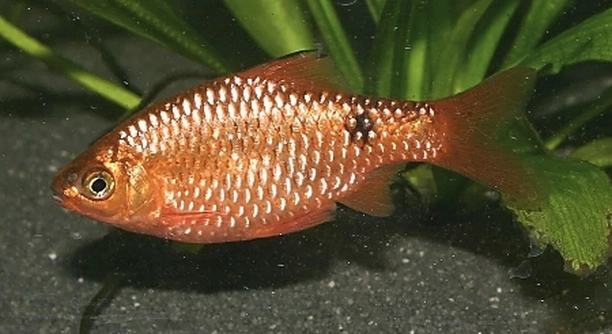
Rosy barbs are popular aquarium fish known for their vibrant colors and lively behavior. Observing their color changes can give insights into their mood and health. Recognizing these shifts helps fish keepers better understand their pets’ needs.
Color shifts in rosy barbs are reliable indicators of mood changes. Bright, intense hues often signal excitement or good health, while dull or faded colors may indicate stress, illness, or discomfort. Monitoring these variations supports timely care and improves wellbeing.
Learning to read these color signals can enhance your connection with rosy barbs and improve their care. The subtle changes reveal important clues about their feelings and environment.
How Brightness Reflects Rosy Barb Energy
Rosy barbs often become brighter when they feel active and comfortable in their environment. When their colors deepen to vivid reds and oranges, it usually means they are healthy and relaxed. In contrast, if their colors look faded or pale, it can suggest they are tired or stressed. Changes in light, water temperature, and tank conditions all influence how bright their colors appear. Maintaining clean water and a stable environment helps keep their brightness strong. Feeding them a balanced diet also supports vibrant coloration. Watching these shifts closely can help identify when something might be wrong before other signs appear. This natural glow is one of the easiest ways to gauge their mood without disturbing them.
Color brightness in rosy barbs is a clear mood indicator linked to their comfort and health levels.
Watching how their colors shift daily helps keep track of their wellbeing and spot early signs of trouble.
Color Fading and Stress Signals
Color fading in rosy barbs often happens when they feel threatened or uncomfortable. Stressors like overcrowding, sudden temperature changes, or poor water quality can cause their colors to dull quickly. This fading is a defense mechanism, making them less visible to predators. Prolonged dullness may lead to health problems, so it’s important to identify the cause quickly. Removing sources of stress and ensuring proper tank care usually brings colors back. Sometimes, illness causes color loss, which requires medical attention. Keeping the tank clean and stable is the best way to reduce stress and keep your rosy barbs looking their best. Their fading colors are a sign that something in their environment needs to be adjusted for their comfort and safety.
Color Shifts During Mating Season
During mating season, rosy barbs often display brighter and more intense colors. Males especially show deep reds and oranges to attract females and assert dominance. These changes are temporary and usually last only as long as the breeding period.
The vivid colors serve as a signal to other fish. Males with the brightest hues tend to have better chances of attracting mates. Females may also show slight color changes, becoming more vibrant when ready to spawn. These shifts help fish communicate their readiness and status without physical confrontation. Watching this can be fascinating and helps you know when your fish are breeding.
It’s important to keep water conditions ideal during this time. Stress or poor tank quality can dull these breeding colors and reduce mating success. Providing plants and hiding spots also encourages natural behavior. By supporting their environment, you help them display their healthiest colors and behaviors during mating.
Color Changes Indicating Illness
When rosy barbs are sick, their colors often become dull and patchy. These changes can happen slowly or suddenly depending on the illness. Early detection through color shifts is important for treatment.
Illness often affects a fish’s ability to maintain bright coloration. Bacterial infections, parasites, or poor water quality weaken their immune system, causing their colors to fade or change unevenly. Some diseases cause specific color marks, such as white spots or dark patches, which signal the need for immediate care. Keeping water clean and monitoring changes can prevent illnesses or catch them early.
Treatment depends on the diagnosis, but restoring water quality and isolating sick fish are common first steps. Improving nutrition also supports recovery. Observing color changes closely gives you a chance to act before symptoms worsen, improving your fish’s chances of a full recovery.
Color Changes from Lighting Conditions
Rosy barbs’ colors can appear different under various lighting setups. Strong, natural light often brings out their brightest shades.
Low or artificial light may cause their colors to seem duller or less vibrant. Adjusting lighting can help showcase their true hues.
Color Shifts When Feeling Threatened
When threatened, rosy barbs often lose their bright colors quickly. This helps them blend into their surroundings to avoid predators or aggression from other fish.
Stress from sudden movements, tank disturbances, or aggressive tank mates can cause this reaction. Creating a calm environment reduces these shifts.
Color Changes with Age
As rosy barbs get older, their colors may naturally fade or change. Younger fish tend to have brighter, more vivid colors compared to older ones.
This shift is normal and reflects changes in metabolism and health over time. Aging fish still need proper care to maintain their best appearance.
FAQ
Why do rosy barbs change color suddenly?
Sudden color changes in rosy barbs often result from immediate changes in their environment or mood. This could be caused by stress, a change in water temperature, or the presence of new tank mates. Brightening usually means excitement or alertness, while fading indicates discomfort or fear.
How can I tell if my rosy barb is stressed by its color?
When a rosy barb feels stressed, its colors will appear dull, faded, or washed out. You might also notice them hiding more or acting sluggish. Stress can come from overcrowding, poor water quality, or aggressive tank mates. Improving tank conditions usually helps restore their vibrant colors.
Can diet affect the color of rosy barbs?
Yes, diet plays a significant role in the color intensity of rosy barbs. Foods rich in carotenoids, like certain flakes and frozen foods, help enhance their reds and oranges. Feeding a varied, high-quality diet supports strong coloration and overall health.
Are color changes always related to health problems?
Not always. Color changes can indicate mood shifts, breeding behavior, or normal aging. However, if color loss is sudden or accompanied by other symptoms like lethargy or spots, it could signal illness. Monitoring behavior and water quality helps decide if treatment is needed.
Do all rosy barbs show the same color shifts?
Individual rosy barbs can vary in how their colors change based on genetics, age, and environment. Some fish may show more noticeable color shifts during stress or mating, while others have subtler changes. Paying attention to your specific fish is important.
How long does it take for rosy barbs to regain their color after stress?
Recovery time depends on the cause and severity of stress. With good water conditions and minimal disturbance, colors can start to brighten within a few days. For longer or severe stress, it may take weeks for colors to fully return.
Can lighting cause mistaken color changes?
Yes, lighting can make colors look different without the fish actually changing. Strong aquarium lights bring out true colors, while dim or colored lights might make the fish appear dull or shifted. Adjust lighting before assuming a health or mood change.
Is it normal for rosy barbs to lose color as they get older?
It is normal for older rosy barbs to have less vibrant colors than younger ones. This change happens naturally as metabolism slows and the fish ages. Proper care can slow this fading and keep older fish healthy and comfortable.
Should I separate a rosy barb that changes color due to stress?
Separating a stressed rosy barb can help if tank aggression is the cause. Isolating the fish in a quiet, clean environment allows it to recover without further pressure. However, ensure the tank itself is well maintained to prevent ongoing issues.
What are common signs besides color changes that indicate a rosy barb is unwell?
Other signs include loss of appetite, unusual swimming patterns, hiding, clamped fins, or visible spots or sores. If you notice these along with color dulling, it’s important to check water quality and consider consulting a vet or fish expert.
Final Thoughts
Rosy barbs are beautiful fish with colors that can change for many reasons. These shifts are often signals about their mood, health, or environment. Paying attention to their color changes is one of the easiest ways to understand how they feel. Whether their colors brighten, fade, or shift during different times, it gives important clues about their wellbeing. Knowing what these changes mean can help you take better care of them and create a healthy, happy tank.
It is important to remember that not all color changes are bad. Sometimes, they simply reflect normal behaviors like mating or aging. Bright colors often mean the fish is comfortable and healthy, while dull colors may show stress or illness. Changes in lighting and diet also play a role. By keeping the tank clean, stable, and well-lit, and feeding your rosy barbs a balanced diet, you can support their natural colors and reduce unnecessary stress.
Watching your rosy barbs closely and learning their color patterns over time will help you notice when something is off. Quick action to fix water quality, reduce tank stress, or address illness can make a big difference. Your attention to these details will not only improve their colors but also their overall happiness and lifespan. Understanding these subtle shifts in color creates a better connection between you and your fish, making the experience more rewarding for both of you.

Hello,
If you enjoy the content that we create, please consider saying a "Thank You!" by leaving a tip.
Every little bit helps us continue crafting quality advice that supports the health, happiness, and well-being of pets around the world, for pets of all shapes, sizes, and species.
We really appreciate the kindness and support that you show us!