
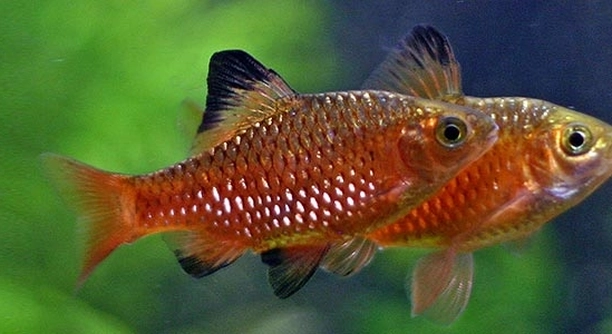
Rosy barbs are popular freshwater fish often seen swimming together in groups. Their graceful movements and bright colors make them a favorite for many aquarium lovers. Watching them follow each other in loops can be quite mesmerizing.
Rosy barbs follow each other in loops due to their natural schooling behavior, which helps protect them from predators and improves their swimming efficiency by maintaining group cohesion through synchronized movements.
This behavior reveals important insights about their social nature and how they interact in their environment. Understanding this can help aquarium owners create better habitats for these lively fish.
Why Rosy Barbs School in Loops
Rosy barbs are naturally social fish that prefer to swim in groups called schools. This behavior helps them feel safer because there is safety in numbers. When they move together in loops, it reduces the chances of any single fish being caught by a predator. Swimming in a loop also allows them to communicate and stay close. Their senses work better when they are in a group, which helps them respond quickly to changes in their surroundings. In an aquarium, this looping behavior is more visible because the space is limited, and the fish naturally follow each other to maintain group unity. This movement is an instinct passed down through generations to protect themselves and improve their chances of survival.
Looping also helps rosy barbs conserve energy. By swimming closely in formation, they reduce water resistance.
Understanding their schooling habits helps create a better environment for them to thrive and stay healthy.
How to Support Looping Behavior in Your Aquarium
To encourage rosy barbs’ natural looping, it’s important to provide enough space for them to swim freely. A tank that is at least 30 gallons is recommended for a small school of rosy barbs. The aquarium should also have plenty of hiding spots, such as plants or decorations, to make the fish feel secure while swimming. Water quality needs to be stable, with regular cleaning and proper filtration. Maintaining good water conditions reduces stress, which helps them maintain natural behaviors like schooling and looping. Feeding them a balanced diet also keeps them energetic and active, encouraging their usual movements in loops. By observing their behavior and ensuring these conditions, owners can enjoy watching their rosy barbs swim gracefully in groups.
A tank with plenty of swimming space and clean water supports healthy schooling and looping behavior.
Setting up the right environment allows rosy barbs to express their natural instincts fully. It also improves their overall well-being, making them more vibrant and interactive. When the fish feel safe and comfortable, they show their characteristic looping movement more often. This not only adds beauty to the aquarium but also signals that the fish are healthy. Creating such an environment requires attention to tank size, water parameters, and decorations. Aquarists who focus on these details help their rosy barbs live longer and happier lives. Watching the loops become a regular part of their daily routine is a rewarding experience for any fish keeper.
The Role of Vision in Looping Behavior
Rosy barbs rely heavily on their vision to follow each other closely. Their eyes help them track the movements of nearby fish, allowing them to swim in coordinated loops without bumping into one another. Good lighting in the aquarium improves this ability.
Clear visibility is essential for rosy barbs to maintain their schooling pattern. They use visual cues to judge distance and speed relative to their neighbors. If the tank is too dark or murky, their looping becomes less synchronized, and the group may scatter. Proper lighting not only helps them see each other but also enhances their colors, making their movements easier to observe. When their vision is sharp, their natural swimming rhythm flows smoothly, resulting in graceful loops.
In addition to vision, rosy barbs use their lateral line system to sense vibrations and water movements. This helps them stay aware of their position within the school, especially when vision is limited. Together, these senses create a reliable guide for their looping formations.
Group Size and Looping Dynamics
The size of the school directly affects how well rosy barbs swim in loops. Smaller groups may struggle to form continuous loops, while larger groups tend to show stronger and more stable looping behavior. A minimum of five rosy barbs is ideal for this natural movement.
Larger groups allow fish to share information about their environment quickly and maintain group cohesion. The more fish involved, the easier it is to follow one another’s movements. This results in tighter and more consistent loops. However, overcrowding can lead to stress and disrupt the behavior, so balance is key. A well-sized school creates a harmonious rhythm that makes looping both effective and visually appealing in the tank. Watching a healthy group swim together like this can be quite calming and rewarding.
Influence of Tank Layout on Looping
The layout of the tank affects how rosy barbs swim in loops. Open swimming areas encourage smooth, continuous loops, while crowded spaces can disrupt their movement. Decorations should be placed thoughtfully to allow enough room for looping.
A well-organized tank helps maintain the fish’s natural behavior. Too many obstacles can cause confusion and break up the group. Keeping clear pathways supports their schooling instincts and looping patterns.
How Stress Impacts Looping Behavior
Stress can cause rosy barbs to stop swimming in loops. Factors like poor water quality, sudden changes, or aggressive tank mates increase stress. When stressed, their natural behaviors weaken, and looping may disappear.
The Importance of Consistent Feeding
Regular feeding routines help keep rosy barbs active and healthy. Consistency in diet supports energy levels needed for their looping behavior. Feeding small amounts multiple times a day mimics their natural eating habits, encouraging movement and social interaction within the group.
Observing Looping for Health Monitoring
Watching looping patterns can reveal the health of rosy barbs. Changes in their movement often indicate stress or illness, making observation a useful tool for caretakers.
Why do rosy barbs swim in loops?
Rosy barbs swim in loops mainly because of their natural schooling instinct. This behavior helps them stay together as a group, making it harder for predators to catch any single fish. Swimming in loops also helps them conserve energy by reducing water resistance when they follow one another closely. In an aquarium setting, this looping is more visible due to limited space, but it’s the same instinct that keeps them safe and coordinated in the wild.
Is looping behavior common in other fish species?
Yes, many fish species show similar schooling or looping behavior. It’s a common survival tactic seen in species like tetras, danios, and some types of minnows. The synchronized swimming helps maintain group cohesion, allowing them to react quickly to threats. Each species may have slightly different patterns, but the basic reason—protection and energy efficiency—is often the same.
Can looping behavior indicate stress or health problems?
Changes in looping behavior can sometimes signal stress or illness. If rosy barbs stop swimming in loops or act sluggish, it may mean the water quality is poor, or they are feeling threatened. It’s important to watch for other signs like loss of appetite, hiding, or unusual swimming patterns. Maintaining good water conditions and a peaceful environment helps prevent stress.
How many rosy barbs should be kept together for proper looping?
A small group of at least five rosy barbs is ideal to see natural looping behavior. Smaller groups may not loop as well because the fish feel less secure. Groups larger than eight or ten can also be fine if the tank size supports them. The key is to balance group size with space to avoid overcrowding.
What tank size is best for rosy barbs to loop comfortably?
A tank of at least 30 gallons is recommended for a small group of rosy barbs. This size provides enough swimming room for their looping and schooling behavior. Larger tanks are better if you plan to keep more fish or add other species. Proper filtration and water quality are also essential for their health and activity.
Does tank decoration affect looping behavior?
Yes, the layout of the tank can influence looping. Open swimming spaces encourage smooth loops, while too many decorations or plants may block their path and disrupt movement. It’s best to create clear swimming lanes with some hiding spots nearby, so the fish feel safe but have room to swim naturally.
Do rosy barbs loop more at certain times of the day?
Rosy barbs tend to be more active and show looping behavior during daylight hours when the tank is well-lit. They are diurnal fish, so they rest at night. Providing a regular light cycle helps maintain their natural rhythms, encouraging activity and looping during the day.
What role does water quality play in looping?
Good water quality is crucial for healthy looping behavior. Poor water conditions cause stress and can reduce activity, including looping. Regular water changes, proper filtration, and stable temperature help keep the fish comfortable and energetic enough to swim in groups.
Can feeding habits influence looping?
Feeding regularly and providing a balanced diet keeps rosy barbs healthy and active. Active fish are more likely to swim in loops. Feeding small amounts multiple times a day encourages natural foraging behavior and movement within the group.
Are there signs that looping behavior is abnormal?
If the looping becomes erratic, too fast, or if fish isolate themselves from the group, it could indicate stress or illness. Watch for other signs like clamped fins or unusual spots. Abnormal looping behavior should prompt a check of water parameters and tank conditions.
Is it possible for a single rosy barb to loop alone?
No, looping is a group behavior linked to schooling instincts. A single rosy barb won’t loop because it needs the movement of others to follow and coordinate with. Keeping at least five fish ensures they can exhibit this natural behavior properly.
How does tank lighting affect rosy barbs’ looping?
Proper lighting improves their ability to see and follow one another, enhancing the looping behavior. Dim or inconsistent lighting can reduce their coordination and cause them to scatter. A stable light cycle helps maintain their natural activity levels.
Can other fish species disrupt rosy barbs’ looping?
Aggressive or very different species can stress rosy barbs, causing them to stop looping. Peaceful tank mates that share similar activity levels are better to keep with rosy barbs. Stress from tankmates interrupts their schooling and natural swimming patterns.
Does temperature impact looping behavior?
Rosy barbs prefer water temperatures between 64-72°F (18-22°C). If the water is too cold or too warm, their metabolism slows down or speeds up unnaturally, affecting activity. Maintaining proper temperature helps keep them energetic and able to loop consistently.
How long do rosy barbs typically loop when undisturbed?
When comfortable, rosy barbs can swim in loops for extended periods throughout the day. This continuous movement reflects their social nature and comfort in the environment. Interruptions like sudden noise or changes can break their rhythm temporarily.
Rosy barbs are lively fish known for their bright colors and natural schooling behavior. One of the most interesting things about them is how they swim in loops, following each other closely in their group. This looping is a natural instinct that helps keep them safe from predators and makes swimming easier by reducing water resistance. In an aquarium, watching rosy barbs move together in these loops can be calming and enjoyable. It shows that the fish feel comfortable and secure in their environment, which is important for their health.
Creating the right conditions in the tank can encourage this looping behavior. Providing enough space for the fish to swim freely is very important. A tank of at least 30 gallons is usually recommended for a small group of rosy barbs. The layout of the tank also matters — open swimming areas with some plants or decorations for hiding spots work best. Good water quality and stable temperature are essential as well. When the water is clean and the environment is calm, rosy barbs are less stressed and more likely to swim naturally in loops. Lighting plays a role too, since rosy barbs rely on their vision to follow each other closely. A well-lit tank helps them keep their school together.
Observing rosy barbs’ looping can also help fish keepers notice changes in their health or stress levels. If the fish stop swimming in loops or start swimming erratically, it may be a sign that something is wrong. This could be due to poor water quality, aggressive tankmates, or illness. Paying attention to their behavior and maintaining a balanced environment helps ensure they stay active and healthy. Overall, understanding why rosy barbs swim in loops and how to support this behavior improves their well-being and adds beauty to the aquarium.

Hello,
If you enjoy the content that we create, please consider saying a "Thank You!" by leaving a tip.
Every little bit helps us continue crafting quality advice that supports the health, happiness, and well-being of pets around the world, for pets of all shapes, sizes, and species.
We really appreciate the kindness and support that you show us!