
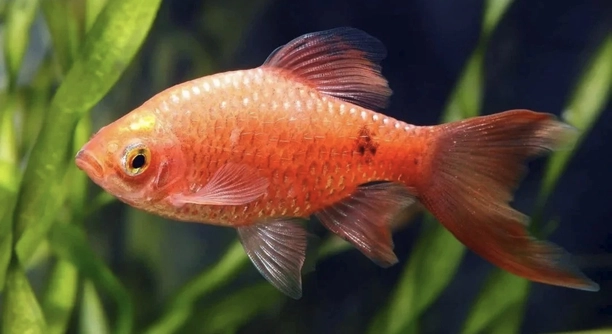
Rosy barbs are popular freshwater fish often kept in home aquariums. Many owners enjoy watching them swim and interact with their environment. Understanding their senses can help improve their care and wellbeing.
Rosy barbs cannot hear human voices directly as their hearing is limited to detecting vibrations and low-frequency sounds underwater. Their auditory system is adapted for sensing water movements rather than airborne sounds like human speech.
Learning how rosy barbs perceive their surroundings can improve how you create a comfortable habitat for them. This knowledge helps build a better connection with these lively fish.
How Rosy Barbs Hear
Rosy barbs do not have ears like humans, but they have a special system to sense sound. They detect vibrations through their lateral line, a row of tiny sensory organs along their sides. This helps them notice changes in water pressure and movement. When a human speaks nearby, the sound travels mostly through air, which does not carry well into water. The fish mainly feel the vibrations caused by louder or closer noises. Their hearing works best for underwater sounds like other fish or nearby movement. This is why they might react to tapping on the tank or sudden splashes. Understanding this helps us realize that talking near an aquarium may not affect them much, but vibrations in the water can catch their attention quickly.
The lateral line allows rosy barbs to pick up subtle signals in their environment. This sense helps them stay safe and aware of nearby activity.
While they don’t hear human voices directly, their sensitivity to vibrations is key to how they interact with their surroundings. They rely more on movement and pressure changes than sounds like speech.
Why Human Voices Don’t Register Clearly
Human voices travel mainly through the air and are not easily heard underwater. Rosy barbs are adapted to sense underwater sounds, which are different from those in the air. This means they miss much of what we say near their tank. The water blocks many frequencies and soft sounds, so their ears and lateral line only pick up stronger vibrations. For example, if you tap the glass or knock on the tank, they will notice because it creates a clear vibration in the water. However, gentle talking or whispering won’t usually affect them. This difference in how sound travels is why rosy barbs respond more to sudden water movements than to human speech.
Because their hearing is tuned to water vibrations, human voices are less meaningful to them. This can explain why they seem unaware when you talk to them softly.
If you want to interact with your rosy barbs, using gentle tank taps or water movements can get their attention more reliably than speaking. This knowledge helps improve how you engage with these fish, making care easier and more effective.
Can Rosy Barbs Recognize Their Owner’s Voice?
Rosy barbs do not recognize individual human voices. Their hearing is focused on detecting vibrations rather than identifying sound patterns. This means they react more to movement or sudden changes around them than familiar voices.
Since their hearing is based on sensing water vibrations, rosy barbs cannot distinguish between different voices. Unlike pets such as dogs or cats, they lack the ability to connect a voice to a specific person. Their reactions depend mainly on how loud or sudden the sound vibrations are in the water. Even if you speak softly or call their name, the fish won’t understand or respond to it as a human would expect. Instead, they are more likely to respond to tank disturbances like tapping or splashing.
This does not mean rosy barbs are not aware of their environment—they simply rely on different senses. Visual cues, water movement, and vibration signals play a larger role in how they interact with their surroundings.
How to Communicate with Rosy Barbs
Using physical signals is the best way to get your rosy barbs’ attention. Tapping gently on the tank or creating small water ripples can alert them more effectively than talking. They respond to changes they can sense directly through water vibrations and movement.
Visual signals also matter. Rosy barbs recognize movement inside and outside the tank. Approaching the tank slowly or dropping food near them can trigger interest. Bright colors or objects moving in the water attract their attention as well. Combining vibration and visual cues helps establish interaction without relying on sound. Learning how these fish respond to their environment makes caring for them more rewarding and enjoyable.
Do Rosy Barbs Respond to Sounds?
Rosy barbs mainly respond to vibrations and sudden water movements rather than specific sounds. Loud noises near the tank can startle them, but gentle sounds usually go unnoticed. Their sensitivity is more tuned to changes in their immediate environment.
They rely heavily on the lateral line system to detect these vibrations. This helps them avoid predators and find food in the wild. Sudden tapping or splashing causes a reaction because it creates strong water vibrations they can sense.
The Role of the Lateral Line
The lateral line is a key sensory organ that runs along the sides of rosy barbs. It detects water pressure changes and vibrations, helping the fish sense movement nearby. This system allows them to navigate, avoid danger, and communicate subtly with other fish. Unlike human ears, it doesn’t pick up sound waves traveling through the air but focuses on underwater signals.
Can Music Affect Rosy Barbs?
Music played outside the tank has little effect on rosy barbs. They cannot hear it as humans do, though very loud sounds might cause stress due to vibrations.
Tips for a Calm Environment
Keep noise levels moderate around the tank and avoid sudden loud sounds. This helps maintain a peaceful habitat for rosy barbs.
Can rosy barbs hear human voices?
Rosy barbs do not hear human voices in the way people do. Their hearing is limited to sensing vibrations through water. Human speech mostly travels through air, which doesn’t transfer well underwater. Instead, rosy barbs detect strong vibrations and movements in their tank rather than clear sounds or words.
Why do rosy barbs react when I tap the tank?
Tapping the tank creates vibrations in the water that rosy barbs can sense through their lateral line system. These vibrations alert them to potential changes or threats in their environment. Sudden taps can startle or attract their attention, but gentle talking or quiet noises usually won’t cause much reaction.
Can rosy barbs recognize their owner’s voice?
Rosy barbs cannot recognize individual human voices. Their hearing isn’t designed for distinguishing sound patterns or tones. Instead, they respond mainly to physical cues like vibrations, water movement, and visual signals. This means talking near the tank may not create a meaningful response.
Do rosy barbs respond to music?
Music played near an aquarium is unlikely to affect rosy barbs in a meaningful way. Since they don’t hear airborne sounds clearly, they mostly ignore music. However, very loud music could cause vibrations that stress the fish, so it’s best to keep the volume low around their tank.
How can I get my rosy barbs to notice me?
To catch their attention, try tapping the tank lightly or creating gentle ripples in the water. Visual movement, such as approaching the tank slowly or showing bright objects, can also help. Using vibration and sight together works better than speaking softly.
Are rosy barbs sensitive to noise?
Rosy barbs are more sensitive to water vibrations than to airborne noise. Loud or sudden noises that create strong vibrations in the water may startle them. Keeping the environment calm and avoiding banging or loud sounds near the tank helps reduce stress.
What role does the lateral line play in rosy barb behavior?
The lateral line is a row of sensory organs along the fish’s sides. It detects pressure changes and vibrations in water, helping rosy barbs sense movement and avoid danger. This system is crucial for their survival and interaction, allowing them to respond quickly to changes around them.
Can rosy barbs hear other fish?
Yes, rosy barbs can detect sounds and vibrations made by other fish. These signals travel better underwater and are important for communication, mating, and schooling. The lateral line system helps them pick up these underwater cues much better than airborne sounds.
Why do rosy barbs sometimes seem startled for no reason?
They may detect small vibrations or water movements invisible to us. Even subtle shifts caused by nearby movement, pumps, or other fish can cause a reaction. Their lateral line senses these changes constantly, so they might react suddenly even if no obvious sound is present.
Does talking to rosy barbs help build a bond?
Talking softly to rosy barbs does not build a bond like it might with pets that hear human speech clearly. However, your presence and consistent care do help them get used to you. Using visual and vibration signals is more effective for interaction than speaking alone.
How loud is too loud around an aquarium?
Any noise loud enough to create strong water vibrations can stress rosy barbs. Loud bangs, claps, or heavy footsteps near the tank are best avoided. A quiet, stable environment with gentle sounds keeps them calm and healthy.
Can rosy barbs hear their own movement in the water?
Rosy barbs can sense their own movements through the water using the lateral line. This feedback helps them swim smoothly and maintain balance. It also alerts them to nearby currents or obstacles in the tank.
Is it okay to play music or TV near an aquarium?
Playing music or TV at normal volume is generally fine. Since rosy barbs don’t hear airborne sounds well, they are unlikely to be disturbed by soft background noise. Just avoid turning up the volume too high or placing speakers directly against the tank glass.
What senses do rosy barbs rely on the most?
Rosy barbs rely mainly on their lateral line to detect vibrations, as well as their vision to observe surroundings. Their sense of smell also helps find food and recognize other fish. Hearing airborne sounds is the least developed sense for them.
How can I reduce stress caused by noise for my rosy barbs?
Keep noise levels low near the aquarium and avoid sudden loud sounds. Use gentle tank maintenance and handle water changes calmly. Creating a stable environment with minimal disturbance helps rosy barbs feel secure and lowers stress.
Do rosy barbs react differently to different types of sounds?
They react more strongly to sounds that produce vibrations in the water. For example, tapping or splashing causes a reaction, but soft talking or distant noise usually does not. Their response depends on how much vibration the sound creates underwater.
Rosy barbs are fascinating fish that use their senses in unique ways. Unlike humans, they do not hear voices through the air but sense vibrations in the water. This means they respond mostly to movements and sudden changes around them, rather than recognizing sounds like human speech. Their lateral line system is the main tool they use to detect vibrations, helping them stay alert and safe in their environment. Knowing this helps us understand why talking softly near the tank may not get a response from them.
Because rosy barbs rely on water vibrations instead of airborne sounds, they don’t recognize individual human voices or react to music like pets might. They are more likely to notice gentle taps on the tank or water movements than words spoken nearby. This is important for anyone who wants to interact with their fish. Using gentle physical signals like tapping or waving a hand near the tank can catch their attention better than simply talking. Visual cues, such as food or bright objects, also help engage them. These simple ways of communicating can create a better connection between fish and owner.
Creating a calm and comfortable space for rosy barbs is key to their well-being. Loud noises and strong vibrations can stress them, so it’s best to keep the environment quiet and stable. By understanding how they experience the world, we can provide better care and improve their quality of life. While rosy barbs may not “hear” us in the way we hope, they do respond to their surroundings in ways that make them lively and interesting pets. Paying attention to how they sense the world helps us support their needs and enjoy their company more fully.

Hello,
If you enjoy the content that we create, please consider saying a "Thank You!" by leaving a tip.
Every little bit helps us continue crafting quality advice that supports the health, happiness, and well-being of pets around the world, for pets of all shapes, sizes, and species.
We really appreciate the kindness and support that you show us!