
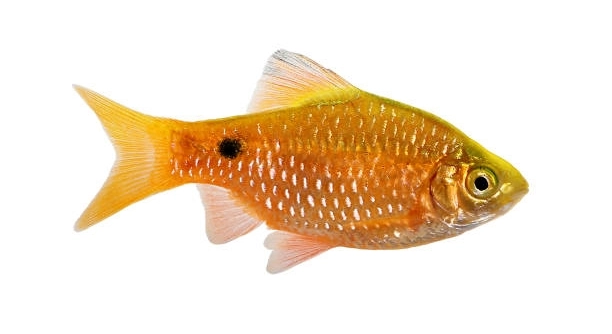
Rosy barbs are popular freshwater fish known for their lively behavior and bright colors. One common action they display is flicking their tails rapidly. This movement often catches the eye of aquarium enthusiasts and raises interest in its causes.
Rapid tail flicking in rosy barbs is primarily a response to environmental stimuli such as stress, territorial behavior, or attempts to communicate. This behavior can indicate agitation, mating readiness, or a reaction to nearby threats within their habitat.
Understanding why rosy barbs flick their tails quickly can improve how we care for them. Observing these signs helps maintain a healthy and balanced aquarium environment for these vibrant fish.
Reasons Behind Rapid Tail Flicking
Rosy barbs flick their tails quickly for several reasons related to their environment and interactions. One common cause is stress, which can result from overcrowding, poor water quality, or sudden changes in their habitat. When stressed, these fish show rapid tail movement as a warning or an attempt to escape discomfort. Another reason is territorial behavior. Rosy barbs establish spaces within the aquarium and flick their tails to warn other fish to keep their distance. This movement is also seen during feeding time or when competing for food. Additionally, tail flicking plays a role in communication during mating periods, signaling readiness or attracting mates. Sometimes, the flicking may be due to irritation caused by parasites or minor injuries. Paying attention to these signs helps identify the underlying cause and ensures the fish stay healthy and calm.
Tail flicking is a natural behavior, but excessive flicking often signals environmental or social issues needing attention.
Proper tank maintenance and observing fish interactions can reduce stress and improve overall well-being for rosy barbs.
How to Respond to Tail Flicking Behavior
Identifying why rosy barbs flick their tails is essential to addressing the issue. If stress is the cause, checking water conditions is the first step. Maintaining proper pH levels, temperature, and cleanliness will create a better environment. Avoid overcrowding to reduce territorial disputes, and provide hiding places to help fish feel secure. If tail flicking results from social interactions, consider separating aggressive fish or adjusting tank mates. Observing the fish for signs of illness or parasites is important, and treatment should be given promptly when needed. Feeding the fish a balanced diet reduces competition and stress. Regular monitoring of behavior and environment helps prevent frequent tail flicking and promotes healthy fish. These steps create a calmer, more balanced aquarium where rosy barbs can thrive peacefully.
Monitoring Tail Flicking Patterns
Tracking when and how often rosy barbs flick their tails can reveal important clues about their condition. Frequent flicking during certain times, such as feeding or cleaning, may be normal. However, constant rapid flicking might indicate persistent stress or irritation.
Observing tail flicking alongside other behaviors helps identify underlying problems. For example, if flicking increases after water changes, it could suggest sensitivity to new conditions. Noticing if specific tank mates trigger flicking can highlight social stress. Consistency in behavior changes is key—temporary flicking may not be concerning, but ongoing patterns require attention. Recording observations allows better communication with a veterinarian or experienced aquarist if problems worsen.
Keeping a behavior log is simple and effective. Note times, frequency, and any related environmental changes. This helps in adjusting care to reduce flicking and improve the rosy barbs’ comfort in their environment.
Adjusting Aquarium Conditions
Maintaining stable water parameters is crucial to prevent stress-related tail flicking. Regularly test water for ammonia, nitrite, nitrate, pH, and temperature. Rosy barbs thrive in slightly alkaline water with a pH between 7.0 and 8.0 and temperatures from 22°C to 28°C. Fluctuations outside these ranges can cause discomfort, leading to increased tail flicking.
Filtration and aeration are important to keep water clean and oxygenated. Frequent partial water changes prevent toxin buildup, which stresses fish. Avoid overcrowding by keeping tank populations balanced to reduce territorial aggression. Adding plants and hiding spots provides shelter, lowering anxiety. These adjustments create a calm environment, reducing the need for defensive or anxious tail flicking. Consistent care ensures the fish remain healthy and behavior remains natural rather than reactive.
Recognizing Stress Signals
Rapid tail flicking often signals stress in rosy barbs. Stress can come from poor water quality, overcrowding, or sudden changes in their environment. Identifying stress early helps prevent more serious health issues.
Other stress behaviors include hiding, loss of appetite, and unusual swimming patterns. Monitoring these signs alongside tail flicking is important for timely intervention.
Common Triggers of Tail Flicking
Environmental changes like water temperature shifts or poor filtration can trigger tail flicking. Social factors such as aggressive tank mates or competition for food also play a role. Understanding these triggers allows for better management of the aquarium setup.
Tail Flicking and Health Issues
Sometimes, rapid tail flicking indicates health problems such as parasites or infections. Watching for other symptoms like spots, lethargy, or damaged fins is necessary to identify illness early and treat accordingly.
Creating a Comfortable Habitat
Providing plants and hiding spots reduces stress, helping lower tail flicking behavior. A well-arranged tank keeps rosy barbs calm and secure.
FAQ
Why do rosy barbs flick their tails rapidly?
Rosy barbs flick their tails rapidly mainly as a response to stress, territorial behavior, or communication. It can indicate agitation, attempts to establish dominance, or reaction to environmental changes. Sometimes, rapid tail flicking signals irritation caused by parasites or minor injuries.
Is rapid tail flicking harmful to rosy barbs?
Tail flicking itself is not harmful if occasional. However, constant rapid flicking often points to stress or health issues. Prolonged stress can weaken their immune system and lead to illness. It’s important to identify and address the causes to keep the fish healthy.
How can I reduce tail flicking in my rosy barbs?
Improving tank conditions helps reduce tail flicking. Ensure proper water quality by regularly testing pH, ammonia, nitrite, and nitrate levels. Avoid overcrowding and provide plenty of plants or hiding spaces to minimize stress and territorial disputes. Balanced feeding and stable temperatures also contribute.
Can tail flicking mean my rosy barbs are sick?
Yes, rapid tail flicking can be a sign of illness. Look for additional symptoms like spots, clamped fins, lethargy, or loss of appetite. Parasites and infections often cause irritation that leads to flicking. Early treatment is key to recovery.
What tank conditions cause stress in rosy barbs?
Stress can arise from poor water quality, sudden temperature changes, overcrowding, or aggressive tank mates. Inconsistent lighting or lack of hiding places also contributes. Maintaining stable, clean water and a peaceful environment prevents stress-related behaviors.
Is tail flicking related to mating behavior?
During breeding, rosy barbs may flick their tails to signal readiness or attract mates. This is a natural part of their reproductive behavior and usually occurs alongside other mating displays, such as chasing or color changes.
Should I separate fish that flick tails aggressively?
If tail flicking is linked to aggression or territorial fights, separating aggressive fish is advisable. Overcrowded tanks can increase tension, so providing adequate space and hiding spots often reduces conflicts without needing separation.
How often should I check water parameters to prevent tail flicking?
Regular testing, at least once a week, is recommended to catch water quality issues early. Frequent partial water changes help maintain a healthy environment, which decreases stress and reduces excessive tail flicking.
Can diet affect tail flicking behavior?
A balanced diet lowers stress and aggression among fish. Poor nutrition can weaken fish, making them more prone to irritation and rapid tail flicking. Feeding high-quality flakes, pellets, and occasional live or frozen foods supports their health.
Are tail flicking patterns different among individual rosy barbs?
Yes, individual fish may flick tails differently based on personality, health, and tank conditions. Some are naturally more active or territorial. Watching patterns helps determine if behavior is normal or a sign of trouble.
What should I do if tail flicking suddenly increases?
Sudden increases usually point to environmental changes or illness. Check water quality, tank mates, and recent changes like new decorations or equipment. Look for signs of disease and treat promptly if needed.
Is tail flicking common in other fish species?
Yes, many fish species flick tails for communication, stress, or irritation. Understanding species-specific behaviors helps interpret tail flicking correctly in any aquarium setting.
How long does tail flicking last if caused by stress?
If stressors are removed, tail flicking usually decreases within a few days to a week. Persistent flicking indicates ongoing issues requiring further action, like adjusting tank conditions or treating illness.
Can tail flicking indicate water temperature issues?
Yes, temperatures outside the ideal range (22-28°C for rosy barbs) cause discomfort and stress, often shown by rapid tail flicking. Maintaining stable temperatures helps keep behavior normal.
What role does tank size play in tail flicking?
Smaller tanks can increase stress and territorial behavior, leading to more tail flicking. Providing enough space for each fish reduces aggression and supports natural behavior.
How important is tank decoration in reducing tail flicking?
Plants, rocks, and hiding spots give fish security and reduce stress-induced tail flicking. A well-decorated tank mimics their natural environment and promotes calm behavior.
Can tail flicking damage fins?
Excessive tail flicking, especially if caused by irritation or fighting, can lead to fin damage. Monitoring and addressing causes prevents injury and supports fin health.
Does lighting affect tail flicking?
Sudden changes or overly bright lighting may stress fish, increasing tail flicking. Providing a consistent light cycle with moderate brightness supports normal behavior.
Is tail flicking a form of exercise for rosy barbs?
While tail flicking involves movement, it’s not primarily for exercise. It’s a response to stimuli rather than physical activity. Excessive flicking from stress is not beneficial.
Can introducing new fish increase tail flicking?
New tank mates can cause territorial disputes and stress, leading to increased tail flicking. Introducing fish gradually and providing hiding spots helps reduce conflicts.
What signs show that tail flicking is normal behavior?
Tail flicking during feeding, mild social interaction, or brief environmental adjustments is normal. It should be occasional and not accompanied by signs of distress or illness.
How do I tell if tail flicking is due to parasites?
Parasite irritation causes persistent flicking, flashing against objects, and visible spots or lesions. Observing these signs alongside flicking indicates the need for treatment.
Is it necessary to consult a vet for tail flicking issues?
If tail flicking persists despite good care, or if other symptoms appear, consulting a vet experienced with fish is recommended for diagnosis and treatment options.
Can water additives help reduce tail flicking?
Certain water conditioners and stress relief additives may help calm fish temporarily, but they are not substitutes for proper tank maintenance and care.
Does tail flicking behavior change with age?
Young rosy barbs may flick tails more as they explore or establish territory, while older fish often show calmer behavior. Age-related changes are normal.
Can frequent tail flicking affect the lifespan of rosy barbs?
Chronic stress causing frequent tail flicking can weaken immunity, making fish more vulnerable to diseases and potentially shortening lifespan.
Are tail flicking and fin clamping related?
They can be related; both often signal stress or illness. Fin clamping usually accompanies flicking when fish feel threatened or uncomfortable.
How can I create a stress-free environment for rosy barbs?
Stable water conditions, adequate space, compatible tank mates, proper diet, and hiding places reduce stress and help maintain normal tail flicking behavior.
Rapid tail flicking in rosy barbs is a common behavior with several underlying causes. It can be a natural response to changes in their environment or a form of communication among fish. However, frequent or intense flicking often points to stress or discomfort. Understanding what triggers this behavior is essential for maintaining a healthy aquarium and ensuring the well-being of these fish. Paying close attention to their surroundings and actions allows you to spot any problems early and take the necessary steps to address them.
Maintaining stable water conditions is one of the most important factors in reducing rapid tail flicking. Regular testing and cleaning help keep the water free from harmful substances that may upset the fish. Temperature, pH levels, and cleanliness all play a role in how comfortable rosy barbs feel. Overcrowding or aggressive tank mates can also increase stress and lead to more frequent flicking. Providing enough space and suitable companions, along with hiding spots and plants, creates a calmer environment where the fish can thrive without feeling threatened.
Finally, tail flicking may sometimes signal health issues like parasites or infections. Watching for other symptoms, such as changes in appetite or appearance, helps catch these problems early. If flicking continues despite proper care, consulting a veterinarian experienced in fish health can provide guidance on treatment. Overall, understanding the reasons behind tail flicking and responding appropriately supports the long-term health and happiness of rosy barbs. By observing, adjusting tank conditions, and offering a stable environment, you help your fish live a peaceful and balanced life.

Hello,
If you enjoy the content that we create, please consider saying a "Thank You!" by leaving a tip.
Every little bit helps us continue crafting quality advice that supports the health, happiness, and well-being of pets around the world, for pets of all shapes, sizes, and species.
We really appreciate the kindness and support that you show us!