
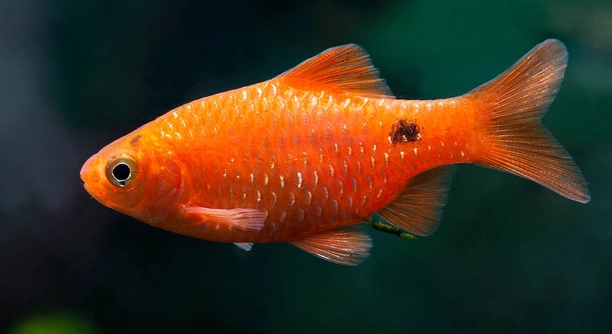
Rosy Barbs are popular freshwater fish known for their lively colors and active behavior. Many aquarium owners notice these fish often gather tightly in one corner of their tank. Understanding why this happens can help maintain a healthy environment for them.
Rosy Barbs gather in a corner primarily due to stress, water quality issues, or a need for shelter. Poor water conditions or aggressive tank mates can cause them to seek safety, clustering together to feel secure and reduce anxiety.
This behavior is a key indicator of their well-being, and recognizing it can help improve their care and tank setup for a happier fish community.
Reasons Rosy Barbs Cluster in Corners
Rosy Barbs often group together in a corner when they feel threatened or uncomfortable. This behavior is commonly linked to stress caused by poor water quality, sudden changes in temperature, or overcrowding. If the water parameters like pH, ammonia, or nitrate levels are not ideal, the fish become restless and look for a safe spot. Additionally, aggressive tank mates can force them into hiding. Lack of proper hiding places or plants in the aquarium may also contribute to their tendency to gather in one area. Sometimes, the corner offers a quieter or darker space, helping them feel more secure. Monitoring tank conditions and providing adequate space and shelter helps reduce this behavior.
Grouping together can also be a way for Rosy Barbs to conserve energy and reduce exposure to threats in their environment.
Observing this behavior early allows for timely adjustments, ensuring the fish remain healthy and comfortable in their habitat.
Water Quality’s Impact on Rosy Barbs
Water quality plays a critical role in Rosy Barbs’ behavior. Poor water conditions can cause discomfort and stress, prompting the fish to seek refuge in corners. Regular testing of water parameters, such as ammonia, nitrite, nitrate, and pH levels, is necessary to maintain a balanced tank environment. Frequent water changes help remove harmful substances and stabilize the habitat. Temperature fluctuations also impact the fish’s comfort, so keeping the water within the ideal range is important. Proper filtration and avoiding overcrowding ensure the water stays clean and oxygen-rich. Providing live plants or decorations can give Rosy Barbs safe spaces to explore and rest, preventing them from feeling cornered or trapped. Addressing these factors promotes healthier, more active fish that do not need to retreat to the corners for safety. Regular care and maintenance are essential to prevent stress and encourage natural behavior.
Tank Environment and Rosy Barb Behavior
Tank layout affects where Rosy Barbs spend their time. Sparse decoration or lack of plants leaves them exposed, pushing them to gather in corners for safety. Adding hiding spots helps them feel secure and reduces this clustering behavior.
Providing plenty of plants, rocks, and caves mimics their natural habitat. These elements offer shelter and break up open spaces, encouraging the fish to explore rather than stay confined. A well-structured tank balances open swimming areas with safe retreats. Rosy Barbs are active swimmers and appreciate space but need places to hide when stressed. Regularly rearranging decorations can keep their environment interesting, preventing boredom and reducing corner gathering.
Tank size also matters. Smaller tanks limit swimming room, increasing stress and corner clustering. Keeping the tank adequately sized and thoughtfully decorated supports healthier behavior and overall fish well-being.
Social Dynamics Among Rosy Barbs
Rosy Barbs are schooling fish that feel more comfortable in groups of six or more. When kept alone or in small numbers, they become stressed and may stick together tightly in one corner. A larger group spreads out, reducing crowding and tension.
Aggression or bullying from other fish can cause Rosy Barbs to retreat. If tank mates are aggressive, the barbs may huddle for protection. Separating aggressive species or creating visual barriers helps reduce conflict. Ensuring compatible tank mates and providing enough space helps the barbs feel safe. Observing interactions regularly and adjusting the community can prevent stress-driven clustering behavior. Rosy Barbs thrive best in peaceful, spacious environments where social behavior can occur naturally without fear or stress.
Feeding Habits and Grouping
Rosy Barbs often gather in corners during feeding times, especially if food is consistently placed in the same spot. This habit can create the appearance of clustering unrelated to stress.
Changing feeding locations and spreading food evenly encourages movement throughout the tank. This helps reduce corner crowding and promotes healthier activity patterns.
Light and Activity Levels
Lighting influences Rosy Barb behavior. Bright, constant light can cause stress, making them seek shaded or darker corners. Adjusting the light schedule or adding floating plants can provide relief.
Providing a natural day-night cycle helps regulate their activity. Proper lighting encourages swimming and exploration, reducing the need to huddle in one area.
Health Concerns and Clustering
When Rosy Barbs are sick or injured, they may isolate themselves or cluster quietly in corners. This behavior signals discomfort or weakness and should not be ignored.
Monitoring fish closely for signs of illness and taking prompt action improves their recovery and prevents further stress in the tank.
Why do Rosy Barbs gather in one corner of the tank?
Rosy Barbs often gather in a corner due to stress or discomfort. This can be caused by poor water quality, aggressive tank mates, or lack of hiding places. When feeling threatened or uneasy, they cluster together for safety and to reduce anxiety. The corner may offer a quieter or darker area, making them feel more secure.
Is it normal for Rosy Barbs to stay in one place for long periods?
It is not typical for healthy Rosy Barbs to remain inactive in one spot for long. Prolonged stillness, especially in a corner, may indicate stress, illness, or poor tank conditions. Active swimming and exploration are signs of good health. Monitoring their behavior closely helps catch problems early.
How can I reduce corner clustering in my Rosy Barbs?
Improving tank conditions is key. Regular water changes, proper filtration, and maintaining stable water parameters reduce stress. Adding plants, rocks, or decorations provides hiding spots and breaks up open space. Ensuring a peaceful tank community and adequate swimming room also encourages natural movement.
Could overcrowding cause this behavior?
Yes, overcrowding raises stress levels among Rosy Barbs, forcing them to seek refuge together. A crowded tank limits swimming space and increases competition for food and territory. Maintaining the recommended number of fish per gallon reduces stress and promotes healthier, more distributed behavior.
Do lighting and feeding schedules affect their clustering?
Bright, constant lighting can stress Rosy Barbs, making them retreat to shaded corners. Feeding food in the same spot regularly causes them to gather there out of habit. Adjusting lighting to a natural day-night cycle and spreading food evenly encourages movement and exploration.
Are Rosy Barbs social fish?
Yes, Rosy Barbs are schooling fish and prefer groups of six or more. Being in a group helps them feel secure and reduces stress. Small numbers or isolation can cause anxiety and corner clustering. A proper group size promotes natural, active schooling behavior.
What role do tank mates play in their behavior?
Aggressive or territorial tank mates can cause Rosy Barbs to hide and cluster together for protection. Choosing peaceful, compatible species reduces conflict and stress. Sometimes, separating aggressive fish or rearranging the tank to create visual barriers helps maintain harmony.
Could illness cause Rosy Barbs to gather in corners?
Yes, sick or injured Rosy Barbs often isolate themselves or gather quietly in corners. This behavior signals discomfort and vulnerability. Observing for other signs like loss of appetite, discoloration, or erratic swimming is important. Prompt treatment improves their chances of recovery and reduces stress in the tank.
Is the tank size important for Rosy Barbs’ behavior?
Tank size greatly influences their well-being. Smaller tanks limit swimming space, increasing stress and corner clustering. Rosy Barbs need at least 20 gallons for a small group to swim freely. Larger tanks with ample space encourage healthy activity and reduce hiding behavior.
Can rearranging the tank help reduce clustering?
Yes, regularly changing the tank layout can keep the environment stimulating for Rosy Barbs. Moving plants, rocks, or decorations creates new spaces to explore and breaks up corners where they tend to hide. This encourages natural curiosity and disperses the group throughout the tank.
What is the ideal water temperature for Rosy Barbs?
Rosy Barbs thrive in water temperatures between 64°F and 72°F (18°C–22°C). Temperatures outside this range can cause stress and affect their behavior. Keeping the water stable within the ideal range helps maintain their health and reduces the need to cluster in sheltered areas.
How often should I test my tank water for Rosy Barbs?
Regular testing is important. Testing water parameters like pH, ammonia, nitrite, and nitrate weekly helps catch problems early. Consistent monitoring and maintenance keep the water safe and stable, minimizing stress-related behaviors such as corner clustering.
Does the presence of plants impact their behavior?
Live or artificial plants offer hiding spots and shade, making Rosy Barbs feel more secure. This reduces stress and encourages natural exploration instead of hiding in corners. Plants also improve water quality by absorbing nitrates, benefiting the overall tank environment.
How do I know if my Rosy Barbs are stressed?
Signs of stress include tight grouping, hiding, loss of appetite, erratic swimming, and faded colors. Stress can weaken their immune system and lead to illness. Maintaining clean water, proper tank mates, and good nutrition helps reduce stress and promotes healthier behavior.
What steps should I take if Rosy Barbs keep gathering in one corner despite good conditions?
If the fish still cluster after optimizing water quality, tank layout, and social conditions, observe for illness or injury. Consider isolating affected fish for treatment. Consulting a veterinarian or experienced aquarist may help identify hidden health issues. Continuous monitoring and patience are important to resolve persistent clustering.
Rosy Barbs gathering in a corner is a common behavior that signals something about their environment or well-being. This clustering often results from stress, which can be caused by many factors such as water quality, tank mates, or lack of hiding spaces. Understanding the reasons behind this behavior is important for keeping Rosy Barbs healthy and comfortable in their aquarium. Taking steps to improve their habitat can reduce this tendency and help the fish feel more secure and active.
Maintaining good water quality is one of the most effective ways to prevent corner gathering. Regular water testing and changes keep harmful chemicals low and ensure the tank stays stable. Providing a well-sized tank with enough room for swimming also reduces stress. Adding plants and decorations gives the fish places to hide and explore, making them less likely to group tightly in one spot. Paying attention to the tank community is also important. Aggressive or incompatible fish can cause Rosy Barbs to feel threatened and seek shelter together. Choosing peaceful tank mates and avoiding overcrowding helps the fish remain calm.
Observing the fish’s behavior closely offers clues about their health and environment. If clustering continues despite proper care, illness or injury might be the cause. In those cases, taking prompt action can make a difference. Overall, creating a balanced, peaceful, and stimulating environment encourages Rosy Barbs to spread out and show their natural, lively behavior. Careful attention to these details improves their quality of life and makes the aquarium a better place for both the fish and the owner.

Hello,
If you enjoy the content that we create, please consider saying a "Thank You!" by leaving a tip.
Every little bit helps us continue crafting quality advice that supports the health, happiness, and well-being of pets around the world, for pets of all shapes, sizes, and species.
We really appreciate the kindness and support that you show us!