
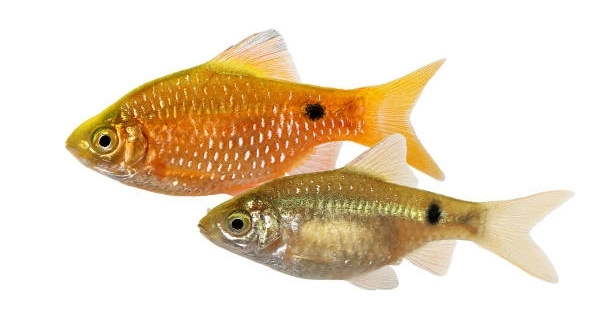
Rosy Barbs are popular freshwater fish often kept in home aquariums. These colorful fish can be sensitive to changes in their environment. Temperature is one important factor that can affect their health and behavior.
Rosy Barbs do react to temperature drops. Lower water temperatures can slow their metabolism and activity levels, sometimes causing stress or illness if the change is sudden or extreme. Maintaining stable temperatures is key for their well-being.
Understanding how temperature impacts Rosy Barbs helps ensure they stay healthy and active. This article explains what to watch for and how to care for them in cooler conditions.
How Temperature Affects Rosy Barbs
Rosy Barbs come from tropical regions where water temperatures are usually warm and steady. When the temperature drops, their bodily functions slow down. This means they move less, eat less, and become less active overall. Sudden temperature changes can shock their system, making them more vulnerable to diseases. In colder water, their immune system weakens, which can lead to infections. It’s important to keep the water temperature stable and avoid letting it fall below 68°F (20°C). Using a reliable aquarium heater helps maintain a consistent environment. Small fluctuations might not harm them immediately, but long-term exposure to cooler temperatures can impact their health and lifespan. Monitoring the tank temperature daily and making adjustments when needed is key to keeping Rosy Barbs comfortable and lively in their habitat.
Proper temperature control supports their natural behaviors and keeps them healthy.
Keeping Rosy Barbs in water that mimics their natural warm climate ensures they stay energetic and healthy, preventing stress and disease.
Signs of Stress from Temperature Drops
When Rosy Barbs experience stress from cold water, their behavior changes noticeably.
They may become lethargic and spend more time hiding or resting near the tank bottom. Their colors might dull, and they might stop eating as much as usual. You could also see slower swimming or uncoordinated movements. Stress from temperature drops weakens their immune system, making them prone to infections like fungal or bacterial diseases. It’s important to recognize these signs early to prevent serious health issues. Adjusting the temperature slowly to a warmer range can help them recover. Also, maintaining good water quality by regular cleaning reduces the risk of illness. By keeping an eye on their activity and appearance, you can catch problems early and provide the right care to keep your Rosy Barbs thriving.
Managing Temperature Changes
Gradual changes in water temperature are much safer for Rosy Barbs than sudden drops.
If you need to lower the temperature, do it slowly over several hours or days. Rapid changes can shock their system and cause serious health problems. Using an adjustable aquarium heater with a reliable thermostat allows you to control temperature carefully. Monitoring water temperature regularly with a thermometer helps catch any unexpected fluctuations early. If your home gets cold, consider insulating the tank or moving it away from drafty windows. Maintaining stable water conditions reduces stress and helps your fish stay active and healthy over time.
Small steps in temperature management protect Rosy Barbs from avoidable harm and keep their environment stable.
Ideal Temperature Range for Rosy Barbs
The best temperature for Rosy Barbs is between 72°F and 78°F (22°C to 26°C).
This range closely matches their natural habitat and supports their metabolism and immune system. Staying within this temperature helps them remain active, eat well, and display bright colors. Temperatures outside this range can cause stress or illness. Consistent warmth prevents sudden metabolic slowdowns, which can lead to problems like sluggishness or loss of appetite. Using a heater with a thermostat and a reliable thermometer ensures the tank stays in this ideal range. Remember, stable water temperature is just as important as the temperature itself. Avoid letting the water fluctuate too much throughout the day to keep Rosy Barbs comfortable.
A steady, warm environment is key to maintaining healthy, happy Rosy Barbs in your aquarium.
Effects of Sudden Temperature Drops
Sudden temperature drops can shock Rosy Barbs, causing immediate stress. Their immune system weakens, making them vulnerable to infections.
Behavior changes quickly; they may stop eating and hide. These quick shifts can lead to long-term health issues if not addressed promptly.
Preventing Temperature Shock
Using a heater with a thermostat helps keep water temperature stable. Avoid placing the tank near windows or vents where cold drafts occur. Regularly check the temperature to catch any sudden changes early.
Water Quality and Temperature
Cold water can lower oxygen levels in the tank. Poor water quality combined with low temperature stresses fish further.
Maintaining clean water supports fish health alongside proper temperature control.
When to Adjust Temperature
Increase temperature gradually if Rosy Barbs show signs of lethargy. Rapid warming or cooling should be avoided to prevent shock.
FAQ
Can Rosy Barbs survive in colder water?
Rosy Barbs can survive brief periods in cooler water, but they do not thrive in it. Extended exposure to temperatures below 68°F (20°C) slows their metabolism and weakens their immune system. This makes them prone to stress and disease. For their best health, keep the water warm and stable within the ideal range of 72°F to 78°F (22°C to 26°C).
How quickly can I change the water temperature?
Temperature changes should be made gradually, ideally over several hours or days. Sudden drops or rises in temperature shock Rosy Barbs, causing stress and potential health problems. Use a heater with a thermostat for controlled adjustments and monitor the temperature regularly.
What signs show Rosy Barbs are affected by cold water?
Look for lethargy, reduced appetite, hiding behavior, and dull coloration. Swimming may become slow or uncoordinated. These signs indicate stress from the environment, often linked to temperature issues. Early detection helps prevent illness.
Can I keep Rosy Barbs with fish that prefer colder water?
It’s not recommended because Rosy Barbs need warmer water. Fish that prefer colder temperatures could lower the tank’s temperature, stressing Rosy Barbs. Choose tank mates with similar temperature needs for a healthy environment.
What should I do if the temperature drops suddenly?
Try to warm the water slowly using an aquarium heater or by moving the tank away from cold drafts. Avoid sudden changes, and check water quality to reduce stress. If fish show signs of illness, consider consulting a vet or aquarium specialist.
Is it okay if the temperature fluctuates during the day?
Small fluctuations are natural but try to keep changes within a narrow range. Frequent or large temperature swings can stress Rosy Barbs and weaken their immune response. Stable temperatures are essential for long-term health.
How do I measure tank temperature accurately?
Use a reliable aquarium thermometer placed inside the tank. Digital thermometers with probes offer precise readings. Check temperature daily to ensure it stays within the ideal range.
Can temperature drops cause diseases in Rosy Barbs?
Yes, cooler water can weaken their immune system, making them susceptible to fungal and bacterial infections. Keeping the tank warm and clean helps prevent these health issues.
Are Rosy Barbs hardy fish?
Rosy Barbs are relatively hardy but require stable warm water conditions. They can adapt to slight temperature changes but are not suited for cold water tanks. Proper care prevents stress and illness.
What is the best way to maintain tank temperature in winter?
Use a quality heater with a thermostat to keep water warm. Insulate the tank if needed and place it away from cold drafts or windows. Monitor temperature regularly to avoid sudden drops.
Rosy Barbs are colorful and active fish that bring life to any aquarium. However, their health depends greatly on the water temperature they live in. Keeping their environment warm and stable is important because sudden drops in temperature can cause them stress and make them sick. These fish come from tropical areas where water stays warm, so they are not built to handle cold or rapid temperature changes well. When temperatures fall too low, their bodies slow down, and they become less active, which can affect their overall health. It is best to keep the water temperature between 72°F and 78°F to ensure they stay comfortable and energetic.
Managing the temperature in your tank doesn’t have to be complicated. Using an aquarium heater with a good thermostat is a simple way to keep the water steady and within the right range. It is important to avoid sudden temperature changes because even small drops can shock the fish and weaken their immune system. Watching the water temperature regularly with a thermometer helps catch any problems early. If you notice your Rosy Barbs acting slow, hiding, or losing color, the temperature might be the cause. Gradually adjusting the water to a more suitable temperature often helps them recover. Alongside temperature control, maintaining good water quality by cleaning the tank regularly will support their health even more.
Remember that Rosy Barbs are not designed to live in cold water, and keeping them in such conditions can lead to illness and a shorter lifespan. It is better to create an environment that closely matches their natural habitat. With steady warmth, clean water, and careful observation of their behavior, Rosy Barbs can thrive and bring enjoyment for a long time. Taking the time to understand how temperature affects these fish will help you provide the best care. This simple step can prevent many health problems and ensure that your aquarium remains a happy and healthy place for your Rosy Barbs.

Hello,
If you enjoy the content that we create, please consider saying a "Thank You!" by leaving a tip.
Every little bit helps us continue crafting quality advice that supports the health, happiness, and well-being of pets around the world, for pets of all shapes, sizes, and species.
We really appreciate the kindness and support that you show us!