
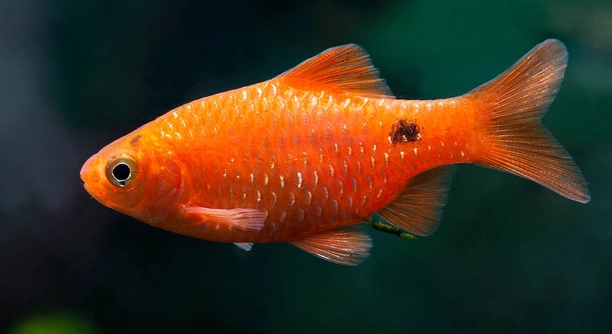
Are your Rosy Barbs acting differently or seeming less active than usual? Many fish owners notice changes in behavior when their fish feel lonely or stressed. Recognizing these habits can help improve your fish’s well-being and environment.
Rosy Barbs show signs of loneliness through behaviors such as reduced activity, loss of appetite, hiding, or excessive aggression toward tank mates. These habits indicate a need for social interaction, as Rosy Barbs are naturally schooling fish that thrive in groups.
Observing these habits early can help you create a happier, healthier environment for your Rosy Barbs and avoid potential health problems.
Reduced Activity and Lethargy
When your Rosy Barb becomes less active or seems to swim sluggishly, it may be a sign of loneliness. These fish are naturally lively and enjoy swimming in groups, so a lack of movement often shows something is wrong. You might notice them resting at the bottom of the tank or floating near the surface without much energy. This behavior can affect their overall health if left unaddressed. It’s important to observe your fish closely to spot any changes early.
Reduced activity can also mean your Rosy Barb is stressed or uncomfortable in its environment. Loneliness can cause this stress since Rosy Barbs rely on social interactions for stimulation.
Keeping a proper number of Rosy Barbs in the tank helps maintain their natural swimming habits and energy levels. Adding more fish or enriching the tank environment with plants and decorations can encourage more movement and playfulness.
Loss of Appetite
A lonely Rosy Barb often eats less or shows no interest in food. This loss of appetite can quickly impact their health and make them more vulnerable to diseases.
When fish feel isolated, their metabolism slows down, causing them to eat less. If you notice your Rosy Barb refusing food for several days, it’s a clear sign they might need company. Feeding smaller portions and maintaining a regular feeding schedule can help. Adding tank mates or ensuring your fish is comfortable with its environment can restore their appetite. Watching their eating habits closely allows you to act before health issues develop.
Excessive Hiding
When a Rosy Barb hides more than usual, it may be feeling lonely or stressed. This behavior is a way to cope with discomfort or anxiety caused by isolation.
Hiding can affect your fish’s ability to interact and stay active. In a social setting, Rosy Barbs usually swim openly and explore their environment. When lonely, they seek shelter to avoid stress. This can lead to less exercise and poor health over time. Ensuring your tank has hiding spots like plants or decorations helps, but adding companions is important to reduce excessive hiding.
Fish that hide too much often miss out on feeding times and social behaviors. Watching for these signs can help you improve their living conditions and keep them more engaged.
Aggression Towards Tank Mates
Lonely Rosy Barbs sometimes become aggressive toward other fish. This behavior may come from frustration or a lack of social balance in the tank.
Aggression can cause injuries or stress among your fish community. When Rosy Barbs are kept alone or in very small groups, they may show territorial behavior or nip fins. This disrupts the harmony in the tank. Adding more Rosy Barbs or compatible species can reduce aggression by providing social interaction and distraction. Maintaining good water quality and enough space also helps minimize stress and aggressive incidents. Watching your fish closely for changes in behavior is key to managing a peaceful aquarium.
Restlessness and Erratic Swimming
Restlessness is common when Rosy Barbs feel lonely or stressed. They may swim rapidly or dart around the tank without clear purpose. This behavior shows discomfort and a need for stimulation.
Erratic swimming can lead to injuries or exhaustion if it continues. Providing companions or environmental enrichment can calm your fish and promote normal movement.
Loss of Color Vibrancy
Lonely Rosy Barbs often lose their bright colors. Their appearance becomes dull or faded, which signals poor health or stress.
Color vibrancy depends on good nutrition, water quality, and social interaction. Improving these factors helps restore their natural shine.
Decreased Social Interaction
Rosy Barbs usually enjoy swimming in groups and interacting. A lonely fish will avoid others and stay isolated more often. This can affect their happiness and well-being.
How many Rosy Barbs should I keep together?
Rosy Barbs are schooling fish that do best in groups. Keeping at least six together helps them feel secure and reduces stress. Smaller groups may lead to loneliness and behavioral issues like aggression or hiding. A group of six or more encourages natural swimming patterns and social interaction, promoting better health and happiness.
What tank size is suitable for Rosy Barbs?
A tank of at least 30 gallons is recommended for a small group of Rosy Barbs. This space allows them room to swim freely and establish social hierarchies without overcrowding. Larger tanks help maintain water quality and reduce stress, especially when housing six or more fish. Proper filtration and regular water changes are also important to keep the environment stable.
Can Rosy Barbs live with other fish?
Yes, Rosy Barbs can live peacefully with many other species, especially those that are active and not too aggressive. Ideal tank mates include danios, tetras, and peaceful bottom dwellers. Avoid slow-moving or long-finned fish, as Rosy Barbs may nip fins if they feel lonely or bored. Introducing compatible companions helps reduce stress and loneliness.
What are signs of a lonely Rosy Barb?
Signs include reduced activity, loss of appetite, hiding, erratic swimming, aggression, and dull coloration. These behaviors indicate stress caused by isolation or an inadequate social environment. Observing your fish regularly helps catch these signs early. Addressing loneliness by adding more Rosy Barbs or improving tank conditions can prevent further health issues.
How can I improve my Rosy Barb’s social environment?
Adding more Rosy Barbs is the simplest solution to loneliness. Providing plenty of plants, decorations, and hiding spots also encourages natural behaviors and reduces stress. Regular feeding schedules and good water quality keep fish healthy and more social. Watching how your fish interact will help you adjust the tank setup to meet their needs.
What should I do if my Rosy Barb is aggressive?
Aggression often comes from loneliness or stress. Increasing the number of Rosy Barbs can spread out any territorial behavior. Ensuring the tank is large enough and has plenty of hiding spots also helps. Avoid overcrowding, as this can increase tension. Monitor the fish closely and separate any that are severely aggressive until the situation improves.
Is it normal for Rosy Barbs to hide sometimes?
Yes, hiding occasionally is normal and helps fish feel safe. However, excessive hiding may signal loneliness or poor tank conditions. If a fish spends most of its time hidden, it may be stressed or sick. Improving social conditions and maintaining good water quality encourages more active behavior.
Can loneliness affect Rosy Barbs’ health?
Yes, loneliness can lead to stress, which weakens the immune system and increases the risk of disease. Fish that are isolated may eat less and lose color, making them more vulnerable. Creating a social environment with tank mates and a well-maintained tank supports overall health and longevity.
How long does it take for Rosy Barbs to adjust to new companions?
Adjustment times vary but usually take a few days to a couple of weeks. Introduce new fish slowly and observe their behavior. Providing plenty of space and hiding places helps reduce stress during this period. Avoid sudden changes in water conditions to support smooth acclimation.
What type of decorations help Rosy Barbs feel comfortable?
Live plants, rocks, and driftwood offer hiding places and areas to explore. These decorations create a natural environment and reduce stress. Make sure decorations do not overcrowd the tank but provide enough shelter to support social behaviors. Proper lighting also helps maintain healthy coloration.
Taking care of Rosy Barbs means paying attention to their behavior and needs. These fish are social creatures that do best when they have companions to swim and interact with. When left alone or in very small groups, Rosy Barbs can show signs of loneliness, such as hiding too much, acting aggressive, or losing their appetite. Recognizing these habits early helps you provide the right environment for them to thrive. A well-maintained tank with enough space, clean water, and suitable companions supports their natural behavior and health.
Creating a comfortable space for your Rosy Barbs involves more than just keeping the right number of fish. Adding plants, decorations, and hiding spots helps reduce stress and encourages activity. When your fish have areas to explore and places to feel safe, they tend to be more active and display natural swimming patterns. It is important to monitor their behavior regularly and adjust the tank setup if you notice changes like lethargy or aggression. Providing a balanced diet and keeping the water clean also play a key role in maintaining their well-being.
Overall, meeting the social needs of Rosy Barbs leads to healthier and happier fish. Loneliness can cause many problems, but with simple steps like increasing group size and improving the tank environment, these issues can be avoided. Taking time to understand your fish’s behavior and making small changes can make a big difference. Paying close attention to their habits helps ensure that your Rosy Barbs live a full and vibrant life in your aquarium.

Hello,
If you enjoy the content that we create, please consider saying a "Thank You!" by leaving a tip.
Every little bit helps us continue crafting quality advice that supports the health, happiness, and well-being of pets around the world, for pets of all shapes, sizes, and species.
We really appreciate the kindness and support that you show us!