
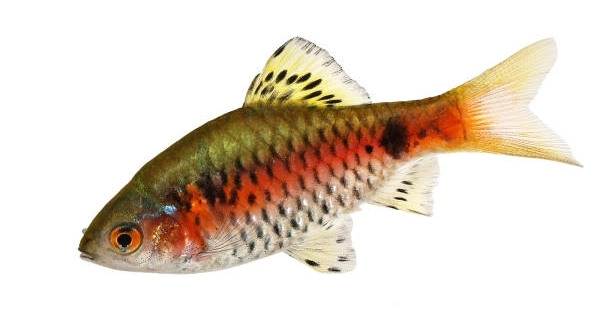
Rosy barbs are popular aquarium fish known for their lively behavior. Many fishkeepers notice these barbs often push other fish around in the tank. This behavior can sometimes cause concern among hobbyists who want a peaceful community.
Rosy barbs push other fish mainly because of territorial instincts and social hierarchy. They establish dominance by nudging or chasing tank mates to secure space and resources. This natural behavior helps maintain order within their group.
Understanding why rosy barbs act this way helps improve tank harmony. Knowing their needs and behavior can lead to a healthier environment for all fish in your aquarium.
Why Rosy Barbs Show Aggression
Rosy barbs tend to show aggression because they are naturally active and territorial fish. In an aquarium, they might feel crowded or threatened by other fish, which leads them to push or chase others. This behavior is their way of setting boundaries and asserting control over their space. It is common for them to test other fish by nudging or even lightly biting. This helps establish a social order within the tank. Aggression also increases during feeding times or when new fish are introduced, as rosy barbs want to protect their access to food and their area. Over time, as the fish settle, the pushing may decrease but not completely stop. Keeping enough space and hiding spots helps reduce aggressive behavior. Rosy barbs are not harmful by nature but need an environment that respects their social habits and active nature.
Aggression in rosy barbs is mostly about territory and competition for resources.
Providing enough room and variety in the tank reduces these aggressive actions and supports a peaceful tank community.
Managing Aggression in Your Tank
Controlling aggression in rosy barbs involves tank setup and proper care. A spacious aquarium with plenty of plants and decorations creates hiding spots that help fish avoid constant confrontation. Avoid overcrowding by keeping an appropriate number of fish for your tank size. Feeding the fish regularly with a balanced diet reduces competition for food, which lowers aggressive tendencies. Adding more rosy barbs in groups of six or more spreads out the aggression, as they tend to focus less on other species when their own group is large enough. Observing fish behavior helps catch early signs of stress or injury caused by pushing. If aggression persists, separating overly aggressive individuals might be necessary. Adjusting water conditions to match their natural habitat also contributes to calm behavior. Managing these factors makes the aquarium healthier and more enjoyable for all fish.
How Tank Environment Affects Behavior
The tank environment plays a big role in how rosy barbs behave. A cramped or poorly arranged tank can increase stress and aggression. Proper space and hiding spots help fish feel safe.
A tank that is too small or crowded limits movement and increases tension among fish. Rosy barbs are active swimmers and need room to explore. Plants, rocks, and decorations provide hiding places that reduce stress and allow fish to escape when feeling threatened. Without these, pushing and chasing can become more frequent. Clean water with stable temperature and pH is also essential to keep the fish healthy and calm.
Changing the layout occasionally and keeping the environment enriched can help reduce aggressive behaviors. The right setup encourages more natural interactions and less conflict among fish.
Feeding and Its Impact on Aggression
Feeding habits directly influence how rosy barbs act toward each other. When food is scarce or given unevenly, barbs compete aggressively. Consistent feeding times and amounts prevent this.
Offering high-quality food and spreading it evenly across the tank reduces competition. If all fish have access to food at the same time, they are less likely to push or chase one another. Overfeeding should be avoided as it can pollute the water and cause health issues, which in turn increase stress and aggression. Using sinking pellets or flakes that float at different levels also keeps barbs busy and less focused on fighting. Monitoring feeding behavior allows quick adjustments to maintain peace during meals. Feeding is a simple but important way to control aggressive tendencies in your rosy barbs.
Social Structure of Rosy Barbs
Rosy barbs live in groups and naturally form a social hierarchy. This helps them organize their interactions and reduces constant fighting. Dominant fish often push others to show their rank.
A well-established hierarchy keeps the group stable. When barbs understand their place, aggression becomes less frequent. This social order is important for their wellbeing.
Introducing New Fish
Adding new fish can disrupt the social balance in the tank. Rosy barbs may push newcomers to establish dominance and protect territory. Gradual introduction helps reduce stress.
Signs of Stress from Pushing
Stress in pushed fish appears as hiding, loss of appetite, or faded colors. These signs show the need for intervention to improve tank conditions and social harmony.
Preventing Injury from Aggression
Keeping aggression low is important to avoid physical harm. Regular observation and proper tank care help protect all fish from injury and stress.
Why do rosy barbs push other fish in my aquarium?
Rosy barbs push other fish mainly to establish territory and social order. They are naturally active and sometimes aggressive fish that use nudging or chasing to show dominance. This behavior helps them secure space and resources like food. It’s part of their instinct to keep a clear hierarchy within their group.
Is pushing by rosy barbs harmful to other fish?
Usually, pushing is more about asserting dominance than causing harm. However, constant aggression can stress other fish, leading to health problems or injuries if it escalates. Providing enough space, hiding spots, and compatible tank mates can reduce harm and stress caused by pushing.
How can I reduce pushing behavior in rosy barbs?
Increasing the tank size and adding plants or decorations for hiding spaces can help. Keeping rosy barbs in groups of six or more spreads aggression among themselves, making it less focused on other fish. Feeding regularly and evenly also lowers competition, reducing pushing during mealtime.
Are rosy barbs more aggressive during feeding times?
Yes, feeding times often increase aggression as barbs compete for food. Ensuring food is spread evenly and feeding small amounts multiple times a day helps reduce competition. Using different types of food that sink or float keeps the fish busy and less focused on fighting.
Can adding more rosy barbs help with aggression?
Adding more rosy barbs can help because they tend to focus aggression within their own group. When kept in larger groups, they spread out their energy and are less likely to bully other species. It’s important to maintain the proper stocking level for your tank size to avoid overcrowding.
What tank conditions help keep rosy barbs calm?
Stable water temperature, clean water, and a well-decorated tank with hiding spots help reduce stress and aggression. Rosy barbs are active swimmers and need space to move freely. A tank with good filtration and regular water changes supports their health and behavior.
How do I introduce new fish to a tank with rosy barbs?
Introduce new fish slowly to reduce stress and aggression. Use a quarantine tank first if possible. When adding them to the main tank, rearranging decorations can help reset territories and reduce pushing. Monitor closely for signs of bullying or stress during the first days.
What signs show that pushing is causing stress or injury?
Look for fish hiding more often, losing appetite, or showing faded colors. Physical injuries like torn fins or scratches are also signs. If you notice these signs, adjusting the tank environment or separating aggressive fish may be needed to protect the others.
Can aggressive rosy barbs be separated or removed?
Yes, if one or two fish are particularly aggressive, separating them temporarily or permanently can help restore peace. This is especially true if injuries occur. Using a divider or moving aggressive fish to another tank gives the others a chance to recover and reduces stress.
Are there specific fish that do well with rosy barbs?
Rosy barbs do best with other active, similarly sized fish that can handle their energy and occasional pushing. Avoid slow-moving or long-finned fish that may get bullied. Suitable tank mates include danios, barbs of other species, and some tetras, but always observe interactions closely.
Does tank size affect pushing behavior?
Tank size is a key factor in reducing pushing. A small, crowded tank increases stress and aggression because fish have less space to swim and escape. Providing at least 30 gallons for a group of rosy barbs is recommended to minimize aggressive encounters.
How often should I feed rosy barbs to reduce aggression?
Feeding small amounts two to three times a day helps reduce food competition. Avoid large meals that cause rushes and fights. Balanced nutrition with flakes, pellets, and occasional live or frozen foods keeps the fish healthy and less prone to aggressive behavior caused by hunger.
Can environmental changes help with rosy barb aggression?
Yes, changing the tank layout by moving plants and decorations can break established territories and reduce fighting. Environmental enrichment, like adding new hiding places or rearranging the tank periodically, keeps the fish engaged and lowers stress-driven aggression.
What should I do if pushing leads to injuries?
If injuries occur, isolate the affected fish to allow healing and prevent infection. Improve water quality and reduce aggression by adjusting stocking levels or tank setup. Treat wounds if necessary with aquarium-safe medications, and observe closely to prevent repeated attacks.
Do rosy barbs push other species more than their own?
Rosy barbs tend to push both their own kind and other species, but aggression is usually more frequent within their own group as they sort out hierarchy. Proper group size and tank environment help reduce interspecies bullying and keep interactions more balanced.
How long does it take for rosy barbs to settle into a social order?
Social order usually forms within a few days to a couple of weeks after introduction. During this time, pushing and chasing may be frequent but typically decreases once dominance is established. Maintaining good conditions supports faster and more peaceful settling.
Rosy barbs are lively fish that often push other fish as part of their natural behavior. This pushing is mainly about establishing territory and social order within the tank. While it may seem aggressive, it is usually normal and helps keep their group organized. However, constant pushing can stress other fish and sometimes cause injury if it gets too intense. Understanding this behavior is important for anyone keeping rosy barbs in an aquarium.
Creating the right environment is key to managing pushing behavior. A spacious tank with plenty of hiding places allows fish to have their own space and reduces conflict. Keeping rosy barbs in groups of six or more helps spread out their energy, so they are less likely to focus aggression on other fish. Feeding them regularly and evenly also lowers competition during mealtime. Maintaining clean water and stable conditions helps keep all the fish healthy and calm, which reduces stress-related pushing.
If pushing becomes too much, there are ways to address it. Rearranging the tank decorations can help reset territories and calm fish down. Sometimes, separating the most aggressive individuals is necessary to protect the others. Watching for signs of stress or injury in other fish is important, so action can be taken early. By paying attention to their behavior and environment, it is possible to create a peaceful aquarium where rosy barbs and their tank mates can coexist comfortably.

Hello,
If you enjoy the content that we create, please consider saying a "Thank You!" by leaving a tip.
Every little bit helps us continue crafting quality advice that supports the health, happiness, and well-being of pets around the world, for pets of all shapes, sizes, and species.
We really appreciate the kindness and support that you show us!