
Have you ever watched your fish and noticed strange movements or color changes, unsure if they meant something important or not?
Rosy barbs use specific body signals to warn other fish of threats or stress. These include changes in coloration, fin movements, sudden darting, or freezing behavior. These signals help maintain group safety and coordination.
Each signal tells a different story about their environment or emotional state. Recognizing these patterns can help fish owners better understand their pet’s needs and keep the tank calm and safe.
Sudden Color Changes
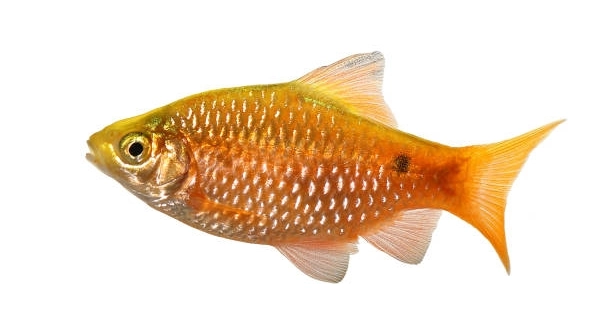
When rosy barbs feel threatened or stressed, their colors can shift quickly. Males, in particular, may lose their usual red hue and appear duller. This sudden change isn’t just random—it’s often a sign that something nearby doesn’t feel right to them. Bright colors tend to indicate comfort or readiness to mate, while faded tones show unease. Other fish in the tank pick up on these visual cues and react accordingly, either by becoming more alert or keeping their distance. These color changes help the group stay safe by signaling a need for caution. Owners may also notice this when introducing new fish or after performing a water change. Paying attention to these changes can help identify stress triggers early and prevent issues from getting worse.
Faded or dull colors are one of the clearest warning signs a rosy barb can show. It’s a simple but powerful way to say, “Something’s wrong.”
A healthy, stress-free rosy barb should have a steady and vibrant color most of the time. If the color fades or looks patchy, it’s worth checking the water quality, tank mates, or any recent changes in their environment. Consistent patterns will tell you what’s normal and what’s not.
Unusual Fin Movements
Unusual or twitchy fin movements often signal discomfort in rosy barbs.
If a rosy barb starts fluttering or holding its fins tightly against its body, something may be irritating it. This can include water changes, aggressive tank mates, or poor water quality. Sometimes the fish may even nip its own fins or swim in a stiff, unnatural way. These actions are ways the fish tells others that it’s not feeling safe or comfortable. Observant owners can spot this sign early and make simple changes—like adjusting tank temperature, rearranging decorations, or checking water parameters. These movements aren’t always extreme, but they are different enough from usual swimming to catch your attention once you know what to look for. The sooner they’re noticed, the quicker the fish can return to calm behavior. Always observe fins during feeding or right after tank maintenance, as those are common times stress becomes visible. Noticing patterns in fin use helps avoid long-term issues.
Erratic Swimming Patterns
Erratic swimming can mean that a rosy barb feels unsafe or overstimulated. They may dart quickly from one side of the tank to the other, swim in tight circles, or even crash into objects. This behavior is often triggered by sudden changes.
Fast, jerky movements are the fish’s way of expressing fear or tension. It can happen after loud noises, bright lights, or the presence of aggressive tank mates. Some rosy barbs may try to hide more often or isolate themselves after these bursts of activity. It’s important to watch for patterns—does it happen after feeding, cleaning, or when the lights turn on? Even small changes can be unsettling for sensitive fish. If the behavior continues, test the water, reduce activity around the tank, and make sure the tank has enough hiding spots. Catching these movements early helps reduce stress and prevent long-term health issues in the tank.
Erratic swimming is not always a one-time thing. If it’s frequent, it usually signals discomfort. Rosy barbs might be reacting to toxins in the water, like ammonia, or to an imbalance in temperature. Sometimes, the issue is social—another fish may be bullying them. Keep an eye on interactions, especially after introducing new tank mates. Tank design also matters; cramped areas or lack of structure may cause anxiety. Ensuring the fish has enough space and places to retreat can go a long way in keeping their movements calm and steady. Addressing these signs early can prevent illness and improve overall tank harmony.
Freezing in Place
Freezing in place is one of the most visible stress signals a rosy barb may show. It often happens suddenly and without warning. The fish may stop swimming and appear completely still, hovering near the bottom or staying in one corner.
This frozen state usually happens in response to fear. It can be caused by sudden movements outside the tank, loud noises, or unfamiliar objects. Freezing allows the fish to avoid detection, especially if it feels threatened. In a well-established tank, this behavior should be rare. If it starts happening often, check for new stressors in the environment. Make sure lighting isn’t too harsh and that there’s enough shelter in the tank. Freezing may also come right after erratic swimming, acting as the fish’s next step in reacting to a perceived threat. While it might look harmless, repeated episodes can point to bigger issues in tank conditions or social dynamics.
Gasping Near the Surface
When rosy barbs swim to the top and gasp repeatedly, it’s usually a sign of poor oxygen levels in the water. This often happens after overfeeding, lack of surface movement, or high temperatures that reduce dissolved oxygen.
This behavior should not be ignored. It means they are struggling to breathe properly.
Hiding More Than Usual
Rosy barbs are active fish, so frequent hiding is not typical. If they start staying behind plants or decorations more than usual, it’s often due to fear or tension in the tank.
This could be caused by aggressive tank mates, loud noises nearby, or sudden changes in lighting or layout. The hiding behavior might seem harmless at first, but over time, it can lead to reduced activity, poor feeding, and stress-related illness. A secure hiding spot is helpful, but constant retreat isn’t. Look for clues—has something recently changed? Rearranging the tank, adding new fish, or even changes outside the tank can upset their sense of safety. Giving them a calm, balanced space encourages them to come out and behave more naturally.
Chasing or Nipping Others
Frequent chasing or nipping may seem playful but can be a sign of rising stress or dominance behavior. Rosy barbs often do this when they feel crowded or if the tank lacks enough hiding spots or structure.
FAQ
How can I tell if my rosy barb is stressed?
Common signs of stress in rosy barbs include dull or faded coloration, erratic swimming, hiding more than usual, and gasping near the surface. You might also notice changes in eating habits, such as loss of appetite or food being ignored entirely. Aggressive behaviors like chasing or fin nipping can also be linked to stress. One or two of these signs alone doesn’t always mean something is wrong, but if you see multiple signals happening regularly, it’s time to take a closer look at your tank setup and conditions.
Why do rosy barbs suddenly lose their color?
Color fading in rosy barbs usually happens when they are feeling stressed, sick, or adjusting to a new environment. Stress from poor water quality, sudden temperature shifts, or bullying from other fish can cause this change. Some rosy barbs also lose color when lights are off or right after waking. However, if the dull color lasts for more than a few hours or comes with other symptoms—like hiding or gasping—it’s best to test your water and check for other stressors in the tank.
Is chasing among rosy barbs normal?
Rosy barbs are social and active, so some chasing is normal—especially during feeding or mating behavior. But if you see constant nipping, torn fins, or one fish always being singled out, that’s not typical. This behavior can mean the tank is overcrowded, there aren’t enough hiding spots, or there’s too much male competition. Adding more plants, breaking line of sight, or even adjusting the male-to-female ratio can help reduce stress and aggression in the group.
What should I do if my rosy barb is gasping at the surface?
If your rosy barb is gasping at the surface, act quickly. First, check the water temperature—it might be too warm, which lowers oxygen levels. Next, look at your filtration and surface movement. Without proper aeration, oxygen can’t enter the water efficiently. Cleaning your filter, using an air stone, or increasing surface agitation can help. Also, test for ammonia or nitrite levels. Gasping can be a sign of poor water quality, and even small spikes can cause distress.
Why does my rosy barb freeze in place?
Freezing is a defensive behavior. It’s often triggered by loud noises, sudden movements near the tank, or changes in lighting. The fish stays still to avoid attention, acting like there’s danger nearby. If this happens often, try to keep the tank area calm and predictable. Avoid tapping on the glass or making fast movements in front of the tank. Provide plenty of plants or decorations so your fish has places to feel secure.
Can tank setup affect rosy barb behavior?
Yes, the setup plays a big role in how rosy barbs behave. If the tank is too small, overcrowded, or lacks plants and hiding spots, the fish may become stressed or aggressive. Lighting that’s too bright or sudden changes in their environment can also trigger negative behaviors. A well-balanced tank with enough room to swim, live plants, and stable water conditions will support healthy, active fish. Think of the tank as their entire world—every detail matters.
How often should I monitor their behavior?
It’s a good idea to observe your rosy barbs for a few minutes each day. Watch how they swim, eat, and interact with others. This helps you catch any early signs of stress or illness. Changes in routine, such as skipping meals or unusual swimming, are often the first clues. If you keep a regular check on their habits, it’s much easier to catch problems early and fix them before they get worse.
Final Thoughts
Rosy barbs are active, social fish that use body language to communicate how they feel. By paying attention to their movements, color changes, and behavior, you can learn a lot about their health and comfort. These signals aren’t just random—they have meaning. Whether it’s darting around, freezing in place, or hiding more than usual, these actions help them express fear, stress, or unease. Noticing these early signs allows you to make small changes that can greatly improve their well-being. A healthy tank doesn’t just look clean—it also feels safe and comfortable for the fish living in it.
Fish can’t speak, so behavior is their main way of showing something isn’t right. When rosy barbs gasp near the surface, it could mean there’s not enough oxygen. If they fade in color or act aggressive, they may be stressed by their surroundings. Every fish may act a little differently, but patterns will start to show once you observe them regularly. Watching your fish daily, even for just a few minutes, can help you catch problems early. Clean water, proper lighting, calm tank mates, and enough space all play a role in how your rosy barbs behave. Keeping a balanced tank helps reduce the chances of stress or sickness.
Making sure your rosy barbs feel safe doesn’t require anything fancy. Stable water conditions, regular care, and attention to their behavior go a long way. If you ever notice sudden changes, it’s worth checking the tank setup before assuming the fish is sick. Most of the time, small adjustments—like adding more hiding spots or improving oxygen flow—can fix the issue. Being aware of their body signals is one of the best tools you have as a fish owner. It makes a big difference in the health and happiness of your fish and leads to a more peaceful and enjoyable aquarium overall. Keeping an eye on these signs isn’t just helpful—it’s part of responsible care.

Hello,
If you enjoy the content that we create, please consider saying a "Thank You!" by leaving a tip.
Every little bit helps us continue crafting quality advice that supports the health, happiness, and well-being of pets around the world, for pets of all shapes, sizes, and species.
We really appreciate the kindness and support that you show us!