
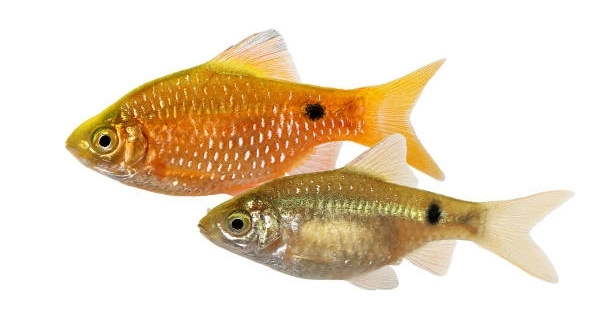
Rosy barbs are lively fish that benefit from a stimulating environment. Their daily routine can be enriched with simple additions that promote activity and well-being. Small changes can make a big difference in their happiness.
Providing variety in their tank environment, such as plants, hiding spots, and gentle currents, encourages natural behaviors. Regular feeding with diverse foods and occasional interaction can boost their health and mental engagement. Enrichment supports both physical and psychological needs of rosy barbs.
These easy ideas will help enhance your rosy barb’s life while keeping care manageable and enjoyable.
Add Live Plants for Natural Shelter
Live plants create a more natural environment for rosy barbs. They provide hiding spots, which reduce stress and offer places for exploration. Plants also help improve water quality by absorbing nitrates and producing oxygen. Choosing fast-growing species like hornwort or java fern is ideal, as they are easy to care for and tolerate a wide range of water conditions. The presence of plants encourages rosy barbs to swim actively and interact more with their surroundings. You can arrange plants in clusters or spread them evenly throughout the tank. This variation makes the environment more interesting for your fish. Adding a few floating plants can also provide shaded areas and reduce bright light, which some rosy barbs prefer. Overall, incorporating live plants supports both physical health and mental stimulation in a straightforward way, enhancing the aquarium’s aesthetic appeal as well.
Plants also support the tank’s balance by competing with algae and stabilizing the environment.
A planted tank mimics the rosy barbs’ natural habitat and keeps them engaged. With plants, your fish will have more places to hide during rest and feel safer. This helps reduce aggressive behavior often caused by boredom or stress. Plus, the plants provide surfaces for beneficial bacteria to grow, aiding in waste breakdown. Maintaining healthy plants requires routine care like trimming and occasional fertilizing. Using aquarium-safe substrates can help roots establish well. Adding plants is a cost-effective way to enrich your tank and promote healthier, happier rosy barbs without complicating daily maintenance.
Offer a Varied Diet Regularly
Feeding rosy barbs a range of foods keeps their diet balanced and exciting.
A varied diet provides essential nutrients and prevents boredom with mealtime. Incorporate high-quality flakes or pellets as the base food. Supplement this with live or frozen options like brine shrimp, daphnia, and bloodworms to boost protein intake. Vegetables such as blanched spinach or zucchini slices offer fiber and vitamins. Rotate food types regularly to maintain interest and nutritional value. Avoid overfeeding by giving small portions twice daily, which supports digestion and water quality. Offering occasional treats keeps your rosy barbs active and engaged. Consistent feeding times also create a routine that fish can anticipate.
Introducing diverse foods replicates the natural diet of rosy barbs and improves their vitality. Live foods stimulate natural hunting instincts, increasing activity levels. Vegetables provide plant matter similar to what they would find in the wild. Proper nutrition strengthens their immune systems and enhances color vibrancy. Keeping a feeding schedule helps prevent food waste and maintains clean water conditions, which is crucial for long-term tank health. Monitoring how your fish respond to different foods allows you to adjust the diet based on preferences and needs. This thoughtful approach to feeding ensures your rosy barbs remain lively, healthy, and visually appealing throughout their lives.
Provide Hiding Places
Hiding places reduce stress by giving rosy barbs safe spots to retreat. They help fish feel secure and calm in their environment.
Using decorations like caves, driftwood, or ceramic ornaments creates these shelters. Arrange them to offer multiple hiding spots without overcrowding the tank. Avoid sharp edges to prevent injuries. Natural materials often work best and blend well with plants. These hiding places also encourage shy fish to explore more, improving their confidence over time. Changing the setup occasionally can keep your fish curious and active. Remember to clean decorations regularly to avoid algae buildup or bacteria growth, maintaining a healthy tank environment.
Hiding spots support natural behaviors and provide relief during feeding or when the tank feels busy. They play an important role in overall fish well-being and tank harmony.
Introduce Gentle Water Movement
Gentle water flow stimulates rosy barbs without causing stress. It mimics their natural habitat’s currents and encourages swimming activity.
Adding a low-power filter or air stone creates this flow. Position equipment to avoid strong direct currents, which can exhaust the fish. The movement also helps distribute oxygen evenly and prevents stagnant water zones. Monitoring flow strength ensures it remains comfortable for all tank inhabitants. Rosy barbs benefit from this mild exercise, which supports muscle tone and mental alertness. Water movement can also enhance filtration efficiency, improving overall water quality. Keeping a balanced current encourages your fish to stay active and healthy, while maintaining a peaceful tank environment.
Change Tank Layout Occasionally
Changing the tank layout prevents boredom and keeps rosy barbs interested in their environment. Rearranging decorations and plants encourages exploration and new behaviors. Small changes can make a big difference in their activity levels.
Regular adjustments stimulate curiosity and reduce stress. Keep the changes subtle to avoid overwhelming the fish. This simple method supports mental enrichment without extra cost or effort.
Use Floating Plants
Floating plants provide shade and reduce bright light intensity, which some rosy barbs prefer. They create a natural surface cover that promotes calm swimming and resting spots.
Add Interactive Toys
Interactive toys like ping-pong balls or mirrors placed outside the tank can catch rosy barbs’ attention. They promote movement and curiosity by offering changing reflections and shadows.
Maintain Clean Water
Clean water is essential for healthy, active rosy barbs. Regular water changes and proper filtration prevent harmful buildup and keep the environment safe.
FAQ
How often should I change the tank layout for my rosy barbs?
Changing the tank layout every few weeks is enough to keep your rosy barbs interested. Small rearrangements of plants and decorations encourage exploration without causing stress. Avoid drastic changes, as sudden shifts can confuse or frighten your fish. Keeping a consistent but varied environment supports their natural curiosity and activity levels over time.
Can rosy barbs live with other fish?
Yes, rosy barbs are generally peaceful and can live with other community fish. However, they may nip at slow-moving or long-finned tank mates, so choose companions carefully. Suitable tank mates include danios, tetras, and barbs of similar size and temperament. Avoid very small or timid fish that could be bullied. Keeping rosy barbs in groups of five or more also reduces aggressive behavior.
What are the best foods for rosy barbs?
Rosy barbs thrive on a varied diet including high-quality flakes or pellets, live or frozen foods like brine shrimp and bloodworms, and some vegetable matter such as blanched spinach. Feeding a mix of these ensures balanced nutrition and keeps them active. Avoid overfeeding, as excess food can foul the water and harm fish health.
How do I prevent my rosy barbs from getting stressed?
Stress in rosy barbs often results from overcrowding, poor water quality, or lack of hiding spots. Keep the tank well-maintained with regular water changes and a clean filter. Provide plenty of plants and decorations to offer safe spaces. Avoid sudden changes in temperature or lighting. Maintaining stable tank conditions helps keep your fish calm and healthy.
Why are my rosy barbs chasing each other?
Chasing can be a sign of establishing social hierarchy, especially when they are young or newly introduced. If the chasing is not aggressive and fish have places to hide, it is usually normal. However, excessive chasing or fin damage means overcrowding or stress. Increasing the group size or adding more hiding spots can reduce this behavior.
How often should I clean the tank?
Regular maintenance is essential for rosy barb health. Partial water changes of 20-30% weekly help remove toxins and keep water quality high. Clean the substrate and decorations monthly to prevent algae and waste buildup. Avoid full tank cleanings unless necessary, as they disrupt beneficial bacteria important for the tank’s balance.
Can rosy barbs live without live plants?
Rosy barbs can survive without live plants, but plants improve their environment greatly. Live plants provide oxygen, hiding places, and reduce stress. If live plants are not an option, use artificial plants that are safe for fish and arrange them to create shelter. Adding floating plants can also help mimic natural conditions.
What tank size is best for rosy barbs?
A minimum tank size of 30 gallons is recommended for a small group of rosy barbs. They are active swimmers and need space to move freely. Larger tanks provide better water stability and room for decorations and plants. Overcrowding can cause stress and aggressive behavior, so plan the tank size according to the number of fish.
How can I tell if my rosy barb is healthy?
Healthy rosy barbs have bright colors, clear eyes, and smooth, intact fins. They swim actively and respond to feeding. Signs of illness include faded colors, clamped fins, lethargy, or abnormal swimming patterns. Regular observation helps catch health issues early. Maintaining clean water and proper diet supports their well-being.
Is it necessary to use a heater for rosy barbs?
Rosy barbs prefer temperatures between 64-72°F (18-22°C) and can tolerate slight variations. In warmer climates, a heater may not be necessary, but in cooler homes or during winter, using a heater keeps the temperature stable. Sudden drops in temperature can stress the fish, so monitoring and adjusting the water temperature helps maintain their health.
Rosy barbs are lively and beautiful fish that benefit greatly from a well-thought-out environment. Creating a space that meets their physical and mental needs helps them thrive. Simple steps like adding live plants, providing hiding spots, and varying the tank layout can make their daily lives more interesting. These changes encourage natural behaviors, reduce stress, and keep them active. When their surroundings are engaging, rosy barbs tend to show better colors and improved health.
Feeding is another key factor in enriching your rosy barbs’ day. Offering a balanced diet with a variety of foods ensures they get the nutrients they need. Including live or frozen options, along with vegetables, supports their overall well-being. It also keeps feeding time exciting, preventing boredom. Maintaining clean water and gentle water movement is just as important. These elements keep the tank healthy and comfortable for your fish, encouraging regular activity and growth.
Overall, enriching your rosy barbs’ environment doesn’t have to be complicated or time-consuming. Small changes and regular care can have a big impact on their happiness and longevity. Paying attention to their needs and making thoughtful adjustments creates a balanced aquarium where your fish can flourish. This approach not only improves their quality of life but also enhances your enjoyment as a fish keeper. With a little effort, you can provide a home that supports the health and happiness of your rosy barbs every day.

Hello,
If you enjoy the content that we create, please consider saying a "Thank You!" by leaving a tip.
Every little bit helps us continue crafting quality advice that supports the health, happiness, and well-being of pets around the world, for pets of all shapes, sizes, and species.
We really appreciate the kindness and support that you show us!