
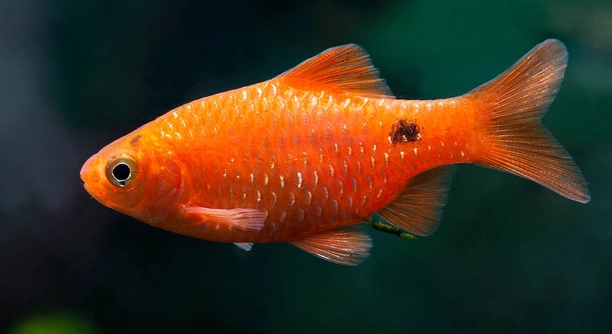
Is your rosy barb swimming at a slant and causing concern? This unusual behavior can be worrying for fish owners who want their aquatic pets to stay healthy and comfortable. Understanding why this happens is important for proper care.
Rosy barbs swimming at a slant typically indicate an issue with their swim bladder, which affects buoyancy control. Swim bladder problems can arise from infections, poor water quality, or dietary imbalances, causing the fish to tilt or float unevenly.
Recognizing these signs early helps in addressing the problem effectively and maintaining your fish’s well-being in their tank environment.
Common Causes of Slant Swimming in Rosy Barbs
Swim bladder issues are often the reason why rosy barbs swim at a slant. The swim bladder is an internal organ that helps fish control their buoyancy. When it malfunctions, the fish can struggle to stay balanced and may tilt to one side. Poor water quality, such as high ammonia or nitrite levels, can irritate the swim bladder or cause infections. Overfeeding or feeding inappropriate food can also lead to digestive problems that affect the swim bladder’s function. In some cases, physical injury or genetic defects may be responsible. It’s important to regularly test your tank water and maintain a clean environment. Avoid sudden changes in temperature or water parameters, as these can stress your fish and increase the risk of swim bladder problems. Proper diet and tank maintenance are key to preventing many health issues in rosy barbs.
Addressing water quality and diet often improves the fish’s swimming posture quickly.
Keeping a close eye on water conditions and feeding habits supports your rosy barbs’ overall health and helps prevent recurrence of this issue.
How to Treat Swim Bladder Problems
Treatment usually starts by improving the fish’s environment and diet. First, ensure the water parameters are stable and within the ideal range for rosy barbs. A partial water change can reduce harmful toxins and provide a fresh, clean habitat. Next, adjust the diet by offering high-quality, easily digestible foods. Avoid overfeeding, and consider feeding peas (with skins removed) to relieve constipation that can affect the swim bladder. In mild cases, this often resolves the problem within a few days. If symptoms persist, a veterinarian’s advice or aquarium specialist consultation may be needed for possible medication. Keeping stress levels low by minimizing sudden changes and providing hiding places will also help your fish recover. Patience and careful observation during treatment are essential to see gradual improvement.
Preventing Swim Bladder Issues
Maintaining clean water is essential to prevent swim bladder problems. Regular water changes keep toxins low and reduce stress for your rosy barbs. Monitoring water temperature and pH helps maintain a stable environment.
Consistent water quality supports healthy swim bladder function. Avoid overfeeding and provide a balanced diet rich in nutrients. Overfeeding can lead to constipation, which affects buoyancy and swimming posture. Feeding small amounts multiple times a day rather than one large feeding helps digestion. Including fibrous foods like peeled peas can aid in preventing digestive blockages. Keeping the tank well-maintained with proper filtration and aeration creates an environment where rosy barbs can thrive without swim bladder stress.
Regular observation helps catch early signs of distress. Acting promptly prevents minor issues from worsening and ensures your fish remain healthy and active.
When to Consult a Specialist
If your rosy barb’s swimming behavior does not improve after environmental adjustments and diet changes, it may be time to seek professional advice. Persistent slant swimming can indicate underlying infections or internal injuries that require medical treatment. A specialist can diagnose the problem accurately and suggest appropriate medication or care. Early intervention can prevent complications and improve recovery chances. It’s better to consult sooner rather than later to avoid prolonged suffering for your fish. Knowing when to get help ensures your rosy barbs receive the best care possible.
Recognizing Early Signs
Early signs of swim bladder issues include unusual swimming angles and difficulty maintaining balance. Rosy barbs may float unevenly or rest near the tank’s surface or bottom more than usual.
Noticing these behaviors quickly allows you to address problems before they worsen. Monitoring your fish regularly is important for their health.
Impact of Tank Size and Setup
A cramped or poorly arranged tank can stress rosy barbs, contributing to swim bladder problems. Providing enough space and hiding spots helps reduce stress and encourages natural swimming. Proper filtration and gentle water flow also create a stable environment that supports healthy buoyancy and movement. Regular cleaning prevents buildup of waste, reducing the risk of infections.
Feeding Tips for Healthy Swimming
Feed your rosy barbs small amounts of food several times a day to avoid overeating. Include high-fiber foods like peas to help digestion and reduce swim bladder strain.
FAQ
Why is my rosy barb swimming at a slant?
Swimming at a slant is usually caused by swim bladder problems. This organ helps fish control their buoyancy. When it is affected by infection, injury, or digestive issues, the fish may tilt or float unevenly. Poor water quality and diet also play a role in causing these issues.
Can swim bladder problems be cured?
Many swim bladder issues can be treated if caught early. Improving water quality, adjusting diet, and reducing stress often help. Feeding peas to relieve constipation and performing water changes are common remedies. If symptoms persist, medical treatment from a specialist may be necessary.
How long does it take for a rosy barb to recover from swim bladder problems?
Recovery time varies depending on the cause and severity. Mild cases may improve within a few days after diet and environment changes. More severe or infected cases can take weeks and might require medication. Patience and careful care are important.
Is poor water quality dangerous for rosy barbs?
Yes, poor water quality can cause stress, infections, and swim bladder problems. Ammonia, nitrite, and nitrate levels should be kept low. Regular water testing and partial water changes are essential for maintaining a healthy tank.
Can overfeeding cause swim bladder problems?
Overfeeding can lead to constipation and digestive issues, which affect the swim bladder. Feeding small amounts multiple times daily and avoiding excessive fatty or dry foods helps prevent this.
What should I feed my rosy barb to avoid swim bladder issues?
A balanced diet with high-quality flakes, pellets, and occasional live or frozen foods works best. Including fibrous foods like peeled peas helps digestion. Avoid overfeeding and sudden diet changes.
Should I separate the affected fish from others?
Separating a sick fish can reduce stress and prevent spreading infections. A quarantine tank is ideal for treatment and observation. However, ensure the isolated environment has proper conditions and similar water parameters.
Can swim bladder problems be a sign of something more serious?
Yes, swim bladder symptoms can indicate bacterial or parasitic infections, tumors, or injuries. If the fish does not improve with basic care, consult a specialist to rule out serious issues.
How often should I clean my tank to prevent swim bladder problems?
Perform partial water changes of about 20-30% weekly or biweekly, depending on tank size and stocking. Regular removal of uneaten food and waste helps maintain water quality and fish health.
What tank size is best for rosy barbs?
Rosy barbs need at least 20 gallons for a small group to swim comfortably. Larger tanks provide better stability in water conditions and reduce stress, supporting healthy buoyancy.
Can temperature fluctuations cause swim bladder issues?
Yes, sudden changes in temperature can stress fish and affect their swim bladder. Keep the tank temperature stable, ideally between 64°F and 72°F, to avoid shock.
Is medication always needed for swim bladder problems?
Not always. Many cases improve with better care and diet. Medication is reserved for infections or severe cases diagnosed by a specialist.
How can I reduce stress for my rosy barbs?
Provide hiding spots, maintain good water quality, avoid overcrowding, and keep a stable environment. Stress weakens the immune system and increases the risk of swim bladder and other health problems.
Are some rosy barbs more prone to swim bladder problems?
Genetic factors or previous injuries can make some fish more vulnerable. Proper care and a good environment help reduce risks for all fish.
Rosy barbs swimming at a slant is a common issue that often points to problems with the swim bladder. This organ plays a key role in helping fish control their position in the water. When the swim bladder is not working properly, rosy barbs may struggle to swim straight, leading to tilting or uneven floating. The causes can vary from water quality issues, diet problems, infections, or even physical injuries. Recognizing the signs early and understanding the possible reasons helps in providing better care for your fish and improving their health.
Maintaining a clean and stable environment is crucial for preventing swim bladder problems. Regular water changes and monitoring water parameters such as pH, ammonia, nitrite, and nitrate levels reduce stress and lower the risk of infections. Feeding your rosy barbs a balanced diet, including high-quality fish food and occasional fibrous treats like peeled peas, supports healthy digestion and prevents constipation, which can affect the swim bladder. Avoiding overfeeding is also important because excess food can cause digestive issues that impact buoyancy. Creating a spacious tank with proper filtration and hiding places further helps reduce stress, allowing your fish to swim comfortably and maintain normal buoyancy.
If your rosy barb continues to swim at a slant despite improving water quality and diet, consulting a specialist is recommended. Persistent swim bladder problems may be a sign of infection or injury requiring medical treatment. Patience and careful observation during treatment are essential for recovery. By keeping a close eye on your fish’s behavior and tank conditions, you can catch problems early and take appropriate steps to support their health. Overall, good tank maintenance, proper feeding, and timely care are the best ways to keep your rosy barbs healthy and swimming normally.

Hello,
If you enjoy the content that we create, please consider saying a "Thank You!" by leaving a tip.
Every little bit helps us continue crafting quality advice that supports the health, happiness, and well-being of pets around the world, for pets of all shapes, sizes, and species.
We really appreciate the kindness and support that you show us!