
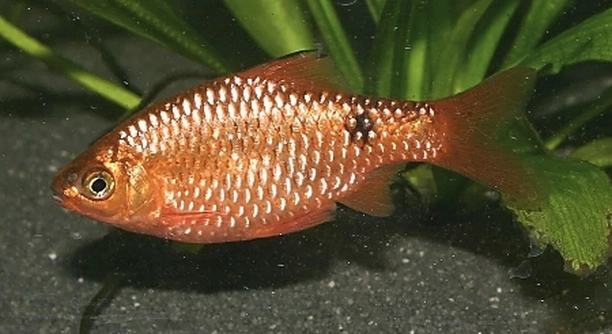
Rosy Barbs are lively fish that bring color and activity to any aquarium. However, many aquarists face challenges when their tank setups cause unexpected stress or confusion for these fish. Recognizing common setup errors can improve their well-being significantly.
Tank setup mistakes such as improper water parameters, overcrowding, inadequate hiding spots, poor filtration, incorrect diet, unsuitable tank mates, and lack of regular maintenance frequently confuse Rosy Barbs, impacting their behavior and overall health. Correcting these factors is essential for a balanced aquatic environment.
Knowing what to avoid will help you create a comfortable home for your Rosy Barbs. The following points will clarify common issues and offer practical advice for a successful tank setup.
Incorrect Water Parameters
Rosy Barbs thrive in water with stable temperature and pH levels. When these conditions are not met, the fish become stressed and behave oddly. Many tank owners overlook the importance of monitoring water hardness, pH, and temperature regularly. Water that is too hard or too soft can cause discomfort. The ideal temperature for Rosy Barbs is between 72°F and 79°F (22°C to 26°C), and the pH should be slightly acidic to neutral, around 6.5 to 7.5. Frequent water testing and adjustments help maintain these parameters. Sudden changes in water chemistry often confuse Rosy Barbs, leading to hiding or aggressive swimming. Installing a reliable heater and test kits will simplify the maintenance routine and keep the fish happy.
Water parameters must stay consistent to avoid stressing your Rosy Barbs. Regular checks prevent sudden shifts that confuse the fish.
Understanding the specific water needs of Rosy Barbs is key to a healthy tank. Keep the temperature steady, test pH weekly, and adjust hardness if needed. Avoid rapid water changes that shock the fish. Conditioning tap water before adding it reduces harmful chemicals. Using natural decorations like plants and rocks helps stabilize the environment. Clear water with balanced parameters supports natural behavior and vibrant colors. Consistent care in this area builds a stable home for your Rosy Barbs.
Overcrowding the Tank
Overcrowding happens when too many fish share limited space. This restricts movement and increases waste, causing water quality to drop fast. Rosy Barbs are active swimmers who need enough room to explore. A small tank filled with too many fish leaves little space for hiding or resting, which adds stress. The recommended tank size for a group of Rosy Barbs is at least 20 gallons. Overcrowding also leads to aggression among fish, as they compete for territory and food. Proper stocking avoids these issues and promotes calm behavior. It’s better to have fewer fish with plenty of space than many cramped in one tank.
When tanks are overcrowded, Rosy Barbs lose natural behaviors and their health suffers.
To maintain a balanced environment, always consider adult fish size when stocking. A 20-gallon tank supports about 6 to 8 Rosy Barbs comfortably. Larger tanks work best for bigger groups or mixed species. Regular water changes are more critical in crowded tanks to control ammonia and nitrite levels. Also, providing plants and décor breaks up space and reduces stress by offering places to hide and explore. Keeping the tank clean and not overstocked ensures your fish remain active and healthy. Following these guidelines prevents common problems caused by overcrowding and supports long-term well-being.
Inadequate Hiding Spots
Rosy Barbs need places to retreat when stressed or resting. Without sufficient hiding spots, they become anxious and may hide excessively or act nervously. Aquariums should have plants, rocks, or decorations that provide shelter and comfort.
Adding live or artificial plants creates natural cover and softens open areas. Rocks and caves offer secure spots where Rosy Barbs feel safe. A well-decorated tank mimics their natural habitat and reduces aggression by breaking sightlines between fish. Sparse tanks leave fish exposed, increasing stress and unusual behavior. Incorporating a mix of tall plants and low shelters balances the space for swimming and hiding, supporting overall well-being. The right setup encourages Rosy Barbs to display natural, healthy activity.
Maintaining these shelters requires occasional cleaning to avoid debris buildup. Rotating or rearranging decorations can refresh the environment and keep fish curious.
Poor Filtration System
A good filtration system is vital for clean, healthy water. Without proper filtration, waste builds up, harming fish and water quality. Rosy Barbs produce moderate waste, so a filter suited to tank size and bioload is essential. Filters remove toxins, debris, and harmful chemicals while promoting oxygenation.
Choosing a filter rated for at least the tank’s volume ensures efficient water turnover. Mechanical, biological, and chemical filtration work together to maintain balance. Over-filtering can create strong currents that stress Rosy Barbs, so selecting a filter with adjustable flow helps control water movement. Regular filter maintenance prevents clogging and supports optimal performance. A well-filtered tank reduces disease risks and keeps the water clear and stable, helping Rosy Barbs thrive.
Incorrect Diet
Feeding Rosy Barbs the wrong food affects their health and behavior. A poor diet can lead to nutritional deficiencies and weaken their immune system.
They need a balanced diet including flakes, pellets, and occasional live or frozen foods. Variety supports their vibrant colors and energy levels.
Unsuitable Tank Mates
Choosing tank mates that are aggressive or too passive causes stress and conflicts. Rosy Barbs do best with similar-sized, peaceful fish. Avoid slow or shy species that may be bullied.
Lack of Regular Maintenance
Neglecting tank cleaning and water changes allows toxins to build up, harming fish health. Regular maintenance keeps the environment stable and safe for Rosy Barbs.
How often should I test the water parameters for my Rosy Barbs?
Testing water parameters once a week is usually enough for a healthy tank. It helps catch any changes in pH, hardness, or ammonia before they affect your fish. In new setups or after major water changes, test more frequently to ensure stability.
What is the ideal tank size for a group of Rosy Barbs?
A minimum of 20 gallons is recommended for about 6 Rosy Barbs. This size gives them enough space to swim freely and reduces stress. Larger tanks are better if you plan to keep more fish or add other species.
Can Rosy Barbs live with other fish?
Yes, but choose tank mates carefully. Peaceful, similar-sized fish like danios or tetras are good companions. Avoid aggressive or very slow fish, which can be stressed or bullied by the active Rosy Barbs.
How often should I clean the tank?
Partial water changes of about 20-25% every one to two weeks keep the tank clean. Cleaning the substrate and removing debris during these changes helps maintain water quality. Avoid full cleanings, which can upset beneficial bacteria.
What types of food are best for Rosy Barbs?
A mix of high-quality flakes or pellets with occasional live or frozen foods, like brine shrimp or bloodworms, offers balanced nutrition. Variety keeps them healthy and brightens their colors.
Why do my Rosy Barbs hide a lot?
Excessive hiding usually means stress. It could be caused by poor water conditions, lack of hiding spots, or aggressive tank mates. Check water parameters and tank setup, and add plants or decorations for shelter.
What causes Rosy Barbs to nip fins?
Fin nipping often happens due to overcrowding, boredom, or incompatible tank mates. Ensuring enough space and providing stimulation through plants or décor can reduce this behavior.
How strong should the filter flow be?
Moderate flow is best. Too strong a current can tire or stress Rosy Barbs, while too weak may not clean the water well. Use a filter with adjustable flow if possible and observe how your fish respond.
Is it necessary to condition tap water before adding it to the tank?
Yes, always use a water conditioner to remove chlorine, chloramines, and heavy metals. These chemicals are harmful to fish and can cause stress or illness.
What are signs of poor water quality?
Cloudy water, strong odors, sluggish or hiding fish, and unusual swimming patterns often indicate poor water quality. Regular testing and maintenance help prevent these issues.
Can Rosy Barbs live in planted tanks?
They do well in planted tanks. Plants offer hiding spots, improve water quality, and create a natural environment. Use hardy plants that tolerate their activity level.
How important is lighting for Rosy Barbs?
Moderate lighting enhances their colors and supports plant growth. Too much light can cause algae, while too little makes the tank dull. Aim for 8-10 hours of light daily.
Should I feed Rosy Barbs daily?
Yes, feeding once or twice daily with small amounts is ideal. Overfeeding leads to waste buildup and poor water quality, so only offer what they can eat in a few minutes.
How do I reduce aggression in a Rosy Barb tank?
Keep them in groups of six or more, provide plenty of space, and add plants or decorations to break lines of sight. Avoid overcrowding and incompatible tank mates.
What is the best temperature range for Rosy Barbs?
Maintain water between 72°F and 79°F (22°C to 26°C). Consistent temperature helps reduce stress and supports immune health.
These answers address common concerns about Rosy Barbs and help maintain a healthy tank environment. Following these guidelines will improve your fish’s well-being and enjoyment in the aquarium.
When setting up a tank for Rosy Barbs, avoiding common mistakes is crucial for their health and happiness. Paying attention to water quality, tank size, and suitable tank mates creates a stable environment where these fish can thrive. Small errors like ignoring water parameters or overcrowding can quickly lead to stress and unusual behavior. Taking the time to provide the right conditions helps maintain their natural colors and activity levels. Consistency in tank care is the foundation for a healthy aquarium.
Regular maintenance plays a key role in keeping Rosy Barbs comfortable. Cleaning the tank, changing water properly, and checking filtration ensure the environment stays safe and clear. Neglecting these tasks allows toxins to build up and can harm the fish. Also, providing enough hiding spots and plants reduces stress by offering places to rest and feel secure. When the tank is well cared for, Rosy Barbs show brighter colors and more natural behaviors, which makes watching them more enjoyable.
Feeding Rosy Barbs a balanced diet suited to their needs supports their overall well-being. Including a mix of flakes, pellets, and occasional live or frozen foods gives them the nutrients necessary to stay active and healthy. Overfeeding or offering the wrong types of food may cause health problems and water quality issues. Keeping their environment stable and meeting their basic needs avoids confusion and stress. With attention to these details, Rosy Barbs can live longer, more vibrant lives in your aquarium.

Hello,
If you enjoy the content that we create, please consider saying a "Thank You!" by leaving a tip.
Every little bit helps us continue crafting quality advice that supports the health, happiness, and well-being of pets around the world, for pets of all shapes, sizes, and species.
We really appreciate the kindness and support that you show us!