
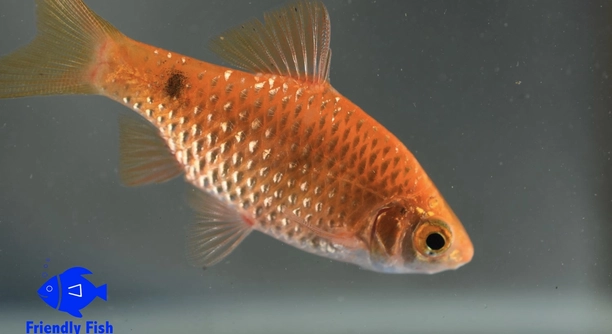
Are your rosy barbs acting differently, chasing each other more than usual, or spending time in unusual corners of the tank?
Rosy barbs often compete for space due to territorial instincts, limited tank size, or environmental stressors. These behaviors typically include chasing, fin nipping, and clustering in specific areas, indicating social hierarchy or discomfort with current tank conditions.
Identifying these subtle signs early can help maintain a balanced aquarium and prevent future aggression between your fish.
Chasing and Nipping Are Early Signs
When rosy barbs begin to chase and nip at one another, it’s often the first sign they’re competing for space. These behaviors usually stem from overcrowding or lack of clearly defined territories in the tank. While rosy barbs are generally peaceful, they still establish a social hierarchy, and aggression may increase when they feel cramped. You’ll notice one or two fish repeatedly pursuing the others, especially during feeding times or when they feel threatened. This can cause stress among the group, weaken their immune systems, and lead to injury if left unchecked. Adding more plants or dividing the space with decorations may help reduce the tension. It’s also important to observe which fish are most active in these behaviors, as certain individuals may naturally be more dominant. If the chasing continues, consider whether the tank size is appropriate for the number of fish you’re keeping.
Look for repeated tail nips or fin damage that never fully heals. These are strong signs of territorial behavior.
A slightly larger tank, or adding more hiding spots, can break up visual lines and reduce direct chasing. Rosy barbs need room to swim but also places to retreat. Separating aggressive fish temporarily may also help if behavior becomes severe.
Clustering Near Specific Areas
When rosy barbs begin to cluster in one corner of the tank or hover near the filter, it’s usually a sign of discomfort. This behavior often reflects competition over limited resources or preferred spots.
Rosy barbs prefer a well-oxygenated, open swimming area with hiding places, but if there are only a few favorable spots, the dominant fish often claim them. Submissive fish then gather wherever they feel safest, which is usually the least active or exposed area. This imbalance creates more stress and may lead to aggression, especially during feeding or nighttime rest. If one area is too bare or another too bright, fish naturally avoid it. Lighting, current, and tank layout play large roles in their comfort. Rearranging the decorations, adding plants, or adjusting the water flow can encourage them to spread out more evenly. Also, monitor the water quality—if oxygen levels are low or ammonia is high, fish will naturally gather near the filter where oxygen is higher.
Competing at Feeding Time
If your rosy barbs dart aggressively during feeding, it may signal competition. Fast swimmers often dominate the food, leaving others with little. This imbalance can cause underfeeding, stress, and continued territorial tension after mealtime.
Watch how they behave when food hits the water. Some may rush forward, pushing others aside or chasing them away. If you notice one or two fish eating far more than the rest, it’s likely a space issue tied to feeding control. This creates a cycle where the dominant fish grow stronger while others become weaker or hide during feeding. Spreading food across the tank or feeding in multiple areas can help reduce this behavior. You can also try sinking pellets or slow-release feeders that allow more timid barbs a chance to eat in peace without rushing or fighting for access.
Space and feeding go hand in hand for rosy barbs. When room is tight, stronger fish naturally try to control access to food. This leads to stress, uneven growth, and constant chasing. Giving them space and offering food in different spots can quickly shift the mood. A tank with balanced feeding helps all fish settle into a calmer routine, and you’ll notice less aggression as meals become less competitive.
Hiding Becomes Constant
When rosy barbs start hiding all day, something is off. Constant hiding, especially in fish that are usually active, is often a response to feeling threatened. It’s a way of avoiding stronger, more dominant fish.
Some barbs will retreat behind plants or décor and rarely come out unless it’s feeding time. Others may hover in corners or under the filter, avoiding open water. These signs point to an unhealthy social dynamic caused by limited space or lack of proper tank structure. If you notice the same fish hiding regularly, it’s worth adjusting the layout or even moving the more dominant ones temporarily. Shy fish need places where they can feel safe but not cut off from the rest of the group. Add driftwood, tall plants, or caves to provide better coverage. This not only protects timid barbs but also gives aggressive ones something to explore and claim without harming others.
Sudden Bursts of Speed
Quick, jerky swimming patterns that seem unprovoked often signal stress caused by competition. Rosy barbs may dart from one side of the tank to another when they feel crowded or unsettled. This behavior usually increases when there’s not enough space to establish personal territory.
These bursts of speed can also lead to injury, especially if decorations or tank edges are sharp. Fish may collide or rub against surfaces while trying to escape each other. If you notice frequent startle-like movements, check your tank layout and consider adding open swimming zones along with hiding areas.
Color Fading in Submissive Fish
Rosy barbs show their stress physically, and dull colors are a common sign. When some fish fade in color while others stay bright, it usually means the paler ones are feeling pushed out or anxious. This happens more often when there’s little room to move freely. Providing more space or breaking up line of sight with plants or décor helps reduce this issue. The more comfortable your barbs feel, the more likely their colors will return. Healthy, unstressed rosy barbs display bright, even coloring across their bodies and fins. A balanced tank helps every fish show its best colors.
Constant Tail Twitching
Tail twitching that repeats often—especially when the fish is not swimming—can point to nervousness. In tight tanks, submissive rosy barbs may twitch their tails when nearby fish approach, showing discomfort or a need to retreat.
FAQ
Why are my rosy barbs fighting so much?
Rosy barbs tend to fight when they feel crowded or stressed. Overcrowding limits their swimming space and increases competition for territory. Dominant fish may chase others to establish hierarchy. Insufficient hiding spots or a poor tank layout can also cause aggression. Ensuring enough room, adding plants or decorations, and feeding evenly help reduce fighting.
How many rosy barbs should be kept in one tank?
A good rule of thumb is to allow at least 10 gallons per rosy barb. These fish are active swimmers and need space to establish their territories without constant conflict. Overcrowding increases stress and aggressive behavior, which impacts their health. Providing around 5 to 6 rosy barbs in a 50-60 gallon tank usually works well.
Can changing the tank setup reduce competition?
Yes. Rearranging plants, decorations, and hiding spots breaks visual lines between fish and creates more territories. This helps reduce aggression and chasing. Adding taller plants and caves gives shy fish places to retreat and lowers stress levels for the whole group. Changing the layout every few weeks can keep the environment interesting and peaceful.
What should I do if one rosy barb is constantly hiding?
If one fish is hiding too much, it may be bullied or stressed. Check if more dominant fish are chasing it. Adding more cover or rearranging the tank can help. If the problem persists, separating the timid fish temporarily can give it time to recover. Make sure water quality is good, as poor conditions also cause hiding behavior.
How can I tell if my rosy barbs are stressed?
Stress signs include faded colors, rapid or erratic swimming, constant hiding, and tail twitching. Stressed fish often eat less and may have damaged fins from chasing. Watch for changes in behavior or appearance over several days. Addressing overcrowding, improving tank layout, and maintaining clean water can reduce stress.
Is competition over food normal among rosy barbs?
Yes, some competition is normal. Faster or more aggressive fish may get most of the food, leaving others hungry. To prevent this, feed smaller amounts in multiple locations or use sinking pellets to spread out the feeding. This allows slower fish to eat without being chased away. Consistent feeding schedules also reduce stress.
Can I add other fish to reduce rosy barb competition?
Adding other peaceful species can sometimes balance social dynamics if the tank is large enough. However, overcrowding or adding aggressive fish will increase competition. Choose compatible tank mates that occupy different areas or swimming levels. Always monitor behavior closely after introducing new fish to avoid increased stress.
What water conditions help reduce aggression in rosy barbs?
Stable, clean water reduces stress, which lowers aggressive behavior. Keep temperature between 64-72°F and maintain pH around 6.5-7.5. Regular water changes and filtration help keep the environment healthy. Stressed fish are more prone to fighting, so maintaining optimal conditions is crucial.
How can I safely separate aggressive rosy barbs?
Use a divider or a separate tank to isolate aggressive individuals temporarily. This gives the tank a break from conflict and allows stressed fish to recover. After a few weeks, reintroduce them slowly while monitoring behavior. If aggression returns, permanent separation may be needed for the well-being of all fish.
What are the signs that my tank is too small for rosy barbs?
Signs include constant chasing, hiding, rapid swimming, faded colors, and frequent injuries. Fish may cluster in corners and seem unsettled most of the time. If you notice these behaviors, it’s a clear indication the tank size is insufficient. Upgrading to a larger tank or reducing the number of fish is necessary to improve their wellbeing.
When keeping rosy barbs, understanding their behavior is key to maintaining a healthy and peaceful tank. These fish are active and social, but they need enough space to swim freely and establish their own areas. When space is limited or the environment isn’t well arranged, competition naturally arises. Signs like chasing, nipping, hiding, and color fading are all clues that your rosy barbs are struggling to find their place. Recognizing these behaviors early allows you to take action before stress and aggression cause serious harm. Providing a spacious tank with plenty of hiding spots helps reduce tension and supports a balanced social dynamic.
Maintaining a proper environment goes beyond just tank size. It’s important to arrange the tank with plants, decorations, and caves that create natural boundaries and retreats for your fish. This helps break up lines of sight and gives shy or submissive barbs places to feel safe. Feeding practices also play a big role in reducing competition. Spreading food throughout the tank and feeding smaller amounts multiple times can prevent dominant fish from controlling all the resources. Monitoring water quality and keeping parameters stable supports the overall health of your barbs and decreases the chances of stress-related behavior.
Ultimately, happy rosy barbs come from a well-planned setup and attentive care. Watching for the signs of space competition allows you to adjust the tank before problems worsen. Sometimes this means adding more room, rearranging decorations, or temporarily separating aggressive fish. Being proactive creates a more comfortable environment for all your fish to thrive. With the right balance, rosy barbs can coexist peacefully, showing their natural colors and playful personalities without constant fighting or stress. This makes your aquarium more enjoyable to watch and easier to maintain.

Hello,
If you enjoy the content that we create, please consider saying a "Thank You!" by leaving a tip.
Every little bit helps us continue crafting quality advice that supports the health, happiness, and well-being of pets around the world, for pets of all shapes, sizes, and species.
We really appreciate the kindness and support that you show us!