
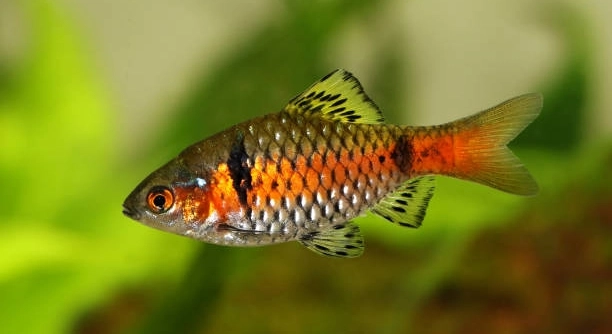
Have you ever noticed your rosy barb suddenly ignoring its favorite bubble stream, leaving you puzzled about what changed in its behavior?
Rosy barbs may stop playing in bubbles due to stress, poor water quality, illness, or changes in their environment. These factors affect their comfort and activity levels, making them less likely to engage in playful swimming.
Learning what triggers these changes will help you create a better setup and restore your fish’s playful habits with ease.
Changes in Water Quality
Rosy barbs are sensitive to changes in water conditions. A sudden shift in temperature, pH, ammonia, or nitrate levels can make them uncomfortable and less active. Poor water quality can lead to stress, which directly affects their behavior. When they stop playing in the bubbles, it’s often because they’re reacting to these environmental changes. Regular tank maintenance, including partial water changes and testing, can help keep the water balanced. It’s also helpful to check that your filtration system is working well. A clean tank with stable conditions makes a big difference in your fish’s behavior. If your rosy barb used to be playful and suddenly becomes inactive, this is a good place to start checking. Subtle issues in water quality might not be visible but can still affect your fish. Even small spikes in toxins can disrupt their routine and make them avoid areas like the bubble stream altogether.
Test your water weekly to catch problems early and avoid bigger issues with fish behavior.
If your tank recently experienced a spike in ammonia or nitrate, your rosy barb might be trying to avoid the discomfort. Bubbles often gather where water flow is strong, and stressed fish naturally stay away from high-current zones. Water testing strips or kits help identify imbalances that aren’t visible to the eye. You should also consider recent changes, like a new plant, fish, or decor, as they may have disrupted the balance. If the water isn’t being cleaned efficiently, it could also cause your barb to become sluggish or hide. Restoring good water quality often brings back normal activity quickly. Make sure the tank stays stable, and keep changes minimal. Avoid overfeeding and vacuum the substrate weekly to remove excess waste. When the water is clean and balanced, your rosy barb will likely return to swimming happily in the bubbles as before.
Stress from Tank Mates
Aggressive tank mates can make your rosy barb feel unsafe, causing it to avoid the bubbles or any exposed areas.
If a new fish has been added to the tank or if there’s competition for food or territory, this can lead to behavioral changes. Rosy barbs are semi-aggressive and thrive in peaceful community tanks with proper space. When paired with fish that nip or chase, they often hide or stop playful activities. It’s also important to keep them in groups of at least five to reduce anxiety, as they are naturally schooling fish. If kept alone or in small numbers, they can become shy or stressed. Adding more of their kind usually improves behavior and encourages activity. Watch your tank closely after any new additions. If you see chasing or biting, the tank dynamics might need adjusting. Ensuring enough space, hiding spots, and compatible species will help restore peace and confidence in your rosy barb.
Lack of Stimulation
When the tank setup stays the same for too long, your rosy barb might lose interest in certain areas like the bubble stream. Fish, like many pets, need some variety in their environment to stay active and engaged.
Adding new decorations, plants, or adjusting the placement of existing items can help stimulate your rosy barb’s curiosity. Try switching up the layout occasionally to give them something new to explore. Bubbles are fun for fish when they feel safe and curious, so keeping the tank interesting encourages them to interact more. Consider rotating features every few weeks. Floating plants, rock tunnels, or rearranged driftwood can create exciting new paths. These small changes are often enough to encourage more movement and playfulness. If your rosy barb stopped visiting the bubble area, try refreshing the space around it to see if interest returns. A dynamic setup can make a big difference in behavior.
Boredom isn’t always easy to recognize in fish, but signs like lethargy or ignoring favorite areas can signal that your rosy barb needs more stimulation. Avoid overcrowding the tank, but include enough structures to support active swimming and exploration. Interactive tank elements like moving plants or mirrored surfaces can help spark interest. Even shifting the direction of the bubbler or creating a new flow pattern with your filter can make the environment feel different. Keep lighting soft but consistent, and give your barb time to adjust after each change. Some fish are slower to react, so observe their behavior over a few days. A once-playful barb will likely regain its habits once it has a more engaging and enriched space.
Illness or Physical Discomfort
Rosy barbs sometimes stop playing when they’re not feeling well. If they’re dealing with swim bladder issues, parasites, or internal infections, they may avoid active areas like bubbles because movement becomes tiring or uncomfortable.
Start by watching for other signs like poor appetite, clamped fins, or unusual swimming patterns. These small details can help you catch health problems early. If you notice white spots, rapid breathing, or bloating, your rosy barb might be facing a treatable condition. You can isolate the fish in a separate tank for close observation if needed. Treating the whole tank is often necessary in case of contagious illness. Maintain consistent temperatures and use medications as directed for the specific symptoms. Adding a bit of aquarium salt may also help with stress. Don’t skip checking your water quality again, since illness and poor tank conditions often go hand in hand. Early care leads to faster recovery.
When your rosy barb is sick or uncomfortable, even mild water movement might feel overwhelming. Bubbles often gather near strong currents, and fish avoid these areas when their energy is low. A common condition like swim bladder disease makes it hard for them to stay balanced, especially in moving water. They may choose calm areas at the bottom of the tank instead. If that’s the case, dimming the lights and reducing noise around the tank can ease stress. Remove aggressive tank mates if they’re picking on your barb during this time. Keep feedings light, using high-quality flakes or a boiled pea to aid digestion if bloating is suspected. Recovery may take a few days or longer, depending on the cause. Stay patient and observe carefully to support your fish’s return to normal activity.
Changes in Bubble Flow
If the bubble stream has changed in strength or direction, your rosy barb might be avoiding it because it’s now too strong. Fish tend to stay away from areas with fast-moving water when they don’t feel like swimming against the current.
Check your air pump settings and tubing for clogs or pressure issues. If the bubbles are too forceful or noisy, your barb may feel stressed or overwhelmed. Adjust the flow with a valve or diffuser to create a softer stream they’re more likely to enjoy again.
Temperature Fluctuations
Rosy barbs prefer stable temperatures between 72°F and 78°F. Sudden drops or spikes can cause discomfort, making them less active and more withdrawn. If your tank is near a window, vent, or heater, daily shifts may go unnoticed until behavior changes. Cold water slows their metabolism, so they might avoid energetic areas like bubble streams. Always use a reliable heater and thermometer to keep the water steady. Sudden temperature swings can also weaken their immune system, leaving them more prone to illness. Keep lighting consistent and avoid drafts to protect their comfort and encourage normal behavior.
Natural Behavior Cycles
Rosy barbs can have quiet periods, especially after feeding or during breeding behavior. Temporary changes like this are normal and usually don’t last long. As long as your fish looks healthy, this phase should pass on its own.
FAQ
Why did my rosy barb suddenly stop swimming near the bubbles?
A sudden change in behavior is usually caused by stress, poor water quality, or discomfort. If the bubble stream is too strong or the water conditions have shifted, your rosy barb may avoid areas that once felt safe. Check for ammonia spikes, temperature changes, or even aggression from tank mates. If everything looks fine, observe the fish for a few days—sometimes it’s just a temporary phase related to rest or mood.
Can boredom cause my rosy barb to ignore the bubbles?
Yes. A tank that never changes can become dull for fish. Rosy barbs are curious and enjoy exploring their surroundings. When there’s nothing new to discover, they may stop visiting parts of the tank, including the bubble area. Adding new decorations, rearranging plants, or adjusting the bubble stream can help spark their interest again.
Is it normal for rosy barbs to have lazy days?
Absolutely. Fish can have low-energy days just like any other pet. If your rosy barb is still eating, swimming normally, and not showing signs of illness, it’s likely just taking it easy. However, if this behavior lasts more than a few days or is paired with other symptoms, you’ll want to take a closer look.
Could the bubbles be bothering my rosy barb?
It’s possible. If the bubble stream has become too intense or noisy, your fish might feel uncomfortable swimming in that area. Some fish are more sensitive to current than others. Try adjusting the strength of the bubbles or moving the airstone to a calmer spot in the tank.
What illnesses could cause my rosy barb to avoid the bubbles?
Swim bladder issues, parasites, or bacterial infections can make it hard for fish to swim properly. When movement becomes a struggle, they often avoid bubbly or fast-flowing areas. Signs to watch for include clamped fins, bloating, floating at the surface, or staying at the bottom. If you see these, isolate the fish and consider treatment.
How can I tell if water quality is the issue?
Use a water test kit or test strips to check ammonia, nitrites, nitrates, and pH. Even if the tank looks clean, levels may be off. A rosy barb that stops playing might be reacting to unsafe conditions. Do regular water changes, clean the substrate, and check your filter to help keep the tank stable.
Do rosy barbs need bubbles to stay healthy?
Not necessarily. Bubbles can help with water circulation and oxygenation, but they’re not required for your rosy barb to thrive. If the tank has good filtration and surface agitation, it’s likely getting enough oxygen. Bubbles are more for enrichment than survival, so avoiding them doesn’t mean your fish is unhealthy by default.
Should I be worried if my rosy barb is hiding a lot?
Frequent hiding may mean your fish feels unsafe or stressed. Look for signs of bullying, poor water conditions, or changes in the environment. Sometimes fish hide due to illness, so check for any physical symptoms. If hiding continues after conditions are improved, consider adding more plants or structures for comfort.
How long does it take for behavior to return to normal?
That depends on the cause. If the issue is stress or boredom, you may see improvement within a few days after making changes. Illness recovery can take longer, especially if medication is involved. Patience is key—observe the fish closely and give it time to adjust before expecting it to act the same.
Can food or diet affect my rosy barb’s activity level?
Yes. A poor or unbalanced diet can lead to sluggish behavior. Overfeeding or low-quality flakes can cause digestive trouble, which might reduce activity. Offer a mix of high-quality flakes, frozen foods, and occasional live treats. If your barb shows more energy after feeding changes, it may have been diet-related all along.
Final Thoughts
When a rosy barb stops playing in the bubbles, it’s often a sign that something in the tank environment has changed. This change might be related to water quality, temperature, tank mates, or even something as simple as a shift in bubble flow. These small details can have a big impact on how your fish feels and behaves. Observing your rosy barb closely can help you understand what might be causing the change. Most of the time, this behavior can be corrected with small adjustments to the tank setup or by improving care routines.
Taking care of a fish involves more than feeding and cleaning. It’s about creating a stable, calm, and interesting space where your rosy barb can thrive. Things like regular water tests, gentle lighting, proper tank mates, and rotating decorations can all make a difference. If your fish feels safe and comfortable, it’s more likely to stay active and explore the entire tank—including areas with bubbles. Watching your rosy barb enjoy its space can be a sign that you’re meeting its needs, both physically and mentally.
Behavioral changes in fish are often the first sign that something needs attention. While it might seem small, ignoring the bubble stream could be your rosy barb’s way of telling you that something feels off. The key is not to panic, but to take a step back and check all the basics—water, diet, tank layout, and health. A bit of patience, consistency, and care usually leads to improvement. Over time, your rosy barb will likely return to its playful self, enjoying the bubbles just like before. Taking the time to understand your fish’s behavior helps build a better, more balanced environment for both you and your aquatic pet.

Hello,
If you enjoy the content that we create, please consider saying a "Thank You!" by leaving a tip.
Every little bit helps us continue crafting quality advice that supports the health, happiness, and well-being of pets around the world, for pets of all shapes, sizes, and species.
We really appreciate the kindness and support that you show us!