
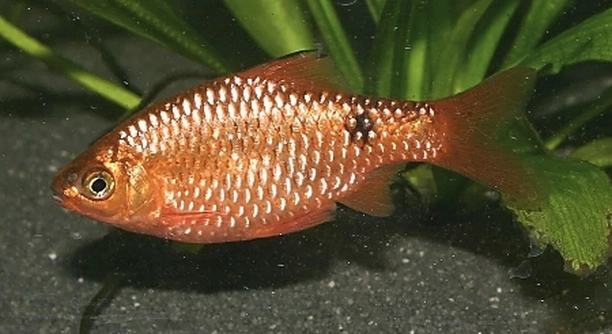
Rosy barbs are popular aquarium fish known for their lively colors and active behavior. Many fishkeepers enjoy watching them swim around, but sometimes these fish avoid interaction. Understanding their behavior can help create a better environment for them.
Rosy barbs may avoid you due to stress, poor water quality, inadequate tank size, lack of hiding places, improper diet, aggressive tank mates, or sudden changes in their environment. These factors can significantly influence their comfort and willingness to interact.
Knowing these reasons will help you improve your tank setup and foster a friendlier atmosphere for your rosy barbs to feel secure and more social.
Stress and Its Impact on Rosy Barbs
Stress is one of the main reasons rosy barbs may keep their distance. These fish are sensitive to sudden changes in their surroundings. Loud noises, abrupt movements near the tank, or even overcrowding can make them feel unsafe. When stressed, they tend to hide or swim away quickly instead of interacting. It’s important to maintain a calm environment around your aquarium. Keeping a stable routine for feeding and maintenance helps reduce stress. Also, avoiding tapping on the glass or making rapid changes in water conditions can make a big difference. Stress weakens their immune system, making them more vulnerable to illness. Observing their behavior daily helps identify early signs of stress, allowing you to adjust conditions before it worsens. A peaceful tank encourages rosy barbs to swim freely and interact more openly, which makes watching them a much better experience.
Stress affects fish behavior deeply, causing them to avoid contact and hide more often.
Reducing stress involves keeping consistent tank conditions and minimizing disturbances. Small changes in lighting, noise, or water quality can improve their comfort and willingness to engage.
Water Quality and Tank Conditions
Poor water quality is harmful to rosy barbs and can cause them to withdraw. Clean, well-filtered water with the right temperature and pH level is essential for their health. Regular testing and water changes are necessary to keep conditions stable. If ammonia or nitrite levels rise, the fish become stressed and less likely to come near. The tank size also matters. A cramped tank limits their space to swim and explore, which can cause discomfort and avoidance behavior. Additionally, having enough plants or decorations offers hiding spots where they feel safe. Without places to retreat, they may feel exposed and shy away from interaction. Paying attention to these factors helps create a healthy environment where rosy barbs feel secure and more active.
Maintaining optimal water quality is key to encouraging rosy barbs to be more sociable.
Proper tank setup with stable water parameters, enough space, and hiding spots supports their natural behavior and wellbeing. This makes it easier for them to approach and enjoy their surroundings.
Inadequate Diet
Rosy barbs need a balanced diet to stay healthy and active. Poor nutrition can make them shy and less likely to come near.
A diet lacking variety or essential nutrients weakens their energy levels and immune system. Feeding them only flakes or one type of food limits their growth and activity. Including live or frozen foods like brine shrimp and bloodworms helps keep them interested and lively. It also mimics their natural diet, which encourages natural behavior and interaction. Overfeeding, on the other hand, can pollute the water and cause health issues, leading to avoidance. Feeding small portions regularly and varying their food supports their health and social behavior.
If your rosy barbs avoid you, reviewing their diet is a simple step to improve their overall wellbeing. Proper feeding habits make them more energetic and willing to interact in the tank.
Aggressive Tank Mates
Aggressive fish can intimidate rosy barbs, causing them to hide or swim away. Peaceful tank mates are better for their comfort.
When housed with aggressive species, rosy barbs feel threatened and stay in hiding to avoid conflict. Aggression increases their stress levels, which can reduce their willingness to come near humans. Choosing compatible fish with similar temperaments helps create a calm tank environment. Rosy barbs thrive with other non-aggressive species that don’t compete harshly for food or space. If aggression is unavoidable, adding more plants and decorations gives shy fish places to retreat. This lowers stress and allows them to feel safer and more confident in the tank.
Selecting peaceful companions and providing plenty of cover promotes a stress-free environment. This encourages rosy barbs to explore more openly and approach their caretakers without fear.
Sudden Changes in Environment
Rosy barbs react strongly to sudden changes in their tank. Rapid shifts in water temperature or lighting can make them avoid interaction.
Keeping their environment stable helps them feel secure. Gradual changes are better to prevent stress and withdrawal.
Lack of Hiding Places
Rosy barbs need places to hide and feel safe. Without enough plants or decorations, they may stay hidden more often.
Providing adequate cover helps reduce stress and encourages them to explore and interact more freely in the tank.
Overcrowding
Too many fish in one tank causes stress and competition. Overcrowding limits swimming space and raises aggression among tank mates.
This leads to shy or withdrawn behavior in rosy barbs, making them avoid human presence and stay hidden to protect themselves.
Why are my rosy barbs hiding all the time?
Rosy barbs often hide because they feel stressed or unsafe. Common causes include poor water quality, aggressive tank mates, or a lack of hiding spots. Sudden changes in the environment, like temperature swings or loud noises, can also make them retreat. Ensuring the tank is peaceful, clean, and provides enough cover can encourage them to come out more often.
How can I reduce stress for my rosy barbs?
To reduce stress, keep tank conditions stable. Avoid sudden changes in water temperature or lighting. Feed a balanced diet on a regular schedule. Minimize noise and movement around the aquarium. Adding plants and decorations for hiding places can also help rosy barbs feel secure and less anxious.
What is the best diet for rosy barbs?
A varied diet is best for rosy barbs. Include high-quality flakes or pellets, but also offer live or frozen foods like brine shrimp, bloodworms, and daphnia. This mix supports their health, energy, and natural behavior. Avoid overfeeding to keep water quality high and prevent obesity.
Can rosy barbs live with other fish?
Yes, but choose tank mates carefully. Rosy barbs prefer peaceful fish that won’t harass or chase them. Avoid aggressive or very territorial species. Good companions include danios, tetras, and other small, non-aggressive fish. Proper space and hiding spots reduce conflicts and help all fish coexist.
How often should I change the water in my rosy barb tank?
Regular water changes are important. A 20-30% water change every week keeps the water clean and reduces harmful toxins like ammonia and nitrites. This maintains good water quality, which helps keep rosy barbs healthy and active. Test water parameters regularly to ensure stability.
What tank size is ideal for rosy barbs?
A minimum of 20 gallons is recommended for a small group of rosy barbs. They are active swimmers and need space to move freely. Overcrowding can cause stress and aggressive behavior. Larger tanks help maintain better water quality and reduce competition for space.
Why do rosy barbs sometimes nip at each other?
Nipping can occur due to overcrowding, boredom, or stress. Lack of space and hiding places makes them more aggressive toward each other. Ensuring enough room, proper diet, and environmental enrichment like plants helps reduce nipping behavior.
How do I know if my rosy barbs are healthy?
Healthy rosy barbs are active, swim confidently, and have bright colors. They eat regularly and show interest in their surroundings. Watch for signs like faded color, lethargy, loss of appetite, or hiding, which could indicate illness or stress.
Can sudden changes in light affect rosy barbs?
Yes, sudden changes in lighting can stress rosy barbs. Bright or flickering lights may cause them to hide or become less active. Using a timer for consistent light periods and gradual changes helps them adjust and feel comfortable.
Is it normal for rosy barbs to be shy around humans?
Some shyness is normal, especially if they are new or stressed. With time, gentle feeding and calm behavior around the tank can help them become more comfortable and interactive. Avoid tapping the glass or sudden movements to build their trust.
How can I encourage rosy barbs to come closer?
Feed them from the same spot regularly to create a positive association. Move slowly and avoid sudden movements. Adding plants and hiding spots helps them feel secure, making them more likely to explore and approach the front of the tank.
What are signs of poor water quality in a rosy barb tank?
Cloudy water, algae overgrowth, and fish gasping at the surface can indicate poor water quality. Testing for ammonia, nitrite, nitrate, and pH levels will give a clearer picture. Regular maintenance and water changes are needed to keep conditions safe.
Can rosy barbs adapt to new environments quickly?
Rosy barbs can be sensitive to new environments. They usually need a few days to adjust. Providing a calm setting with stable water parameters and familiar foods helps them settle faster and reduces stress-related hiding.
What is the ideal temperature for rosy barbs?
Rosy barbs prefer temperatures between 64°F and 72°F (18°C–22°C). Keeping the temperature stable within this range helps maintain their health and activity levels. Sudden temperature drops or spikes should be avoided.
How important is tank decoration for rosy barbs?
Tank decorations like plants, rocks, and caves are very important. They provide hiding places and reduce stress by making the fish feel safe. Decorations also offer visual barriers, which can lower aggression between fish and encourage natural behaviors.
Rosy barbs are beautiful and lively fish that bring color and activity to any aquarium. However, they can sometimes avoid interaction or hide more than expected. This behavior usually points to something in their environment or care routine that needs attention. Factors like stress, water quality, diet, and tank mates all play a role in how comfortable they feel. Making sure these needs are met is key to helping rosy barbs come out of their shells and enjoy their tank.
Creating a stable and peaceful environment is essential. Sudden changes in water temperature or lighting can make rosy barbs feel unsafe, so gradual adjustments are better. Clean water and a tank that is not overcrowded help keep stress levels low. Providing enough hiding spots with plants or decorations lets them feel secure, which encourages them to swim more freely. Feeding a balanced diet that includes a mix of flakes, pellets, and live or frozen foods supports their health and energy. These small but important details work together to improve their comfort and behavior.
Patience is important when working with rosy barbs. They may take time to adjust to changes or new conditions. Observing their behavior regularly helps identify what might be causing them to avoid interaction. By addressing issues like aggression from other fish or poor water quality early, you can help your rosy barbs feel more confident. In the end, meeting their needs consistently allows them to become more active and social, making your aquarium a more enjoyable place for both the fish and you.

Hello,
If you enjoy the content that we create, please consider saying a "Thank You!" by leaving a tip.
Every little bit helps us continue crafting quality advice that supports the health, happiness, and well-being of pets around the world, for pets of all shapes, sizes, and species.
We really appreciate the kindness and support that you show us!