
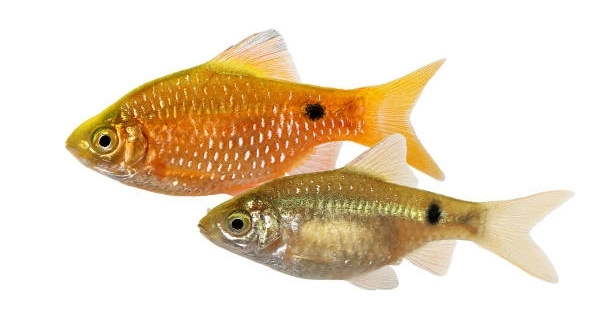
Do you ever find yourself watching your fish and wondering if they’re aware of their surroundings or reacting out of instinct? Observing their behavior can make you think they’re more than just simple swimmers.
Rosy barbs can show signs of curiosity through their active exploration, interaction with new objects, and interest in their surroundings. While not proven to possess higher cognition, their behavior reflects natural investigative tendencies found in many social fish species.
Watching how rosy barbs react to small changes in their tank setup can reveal more about their curious nature and social behavior.
How Rosy Barbs React to New Things
Rosy barbs are active fish that often display behaviors that seem curious. When something changes in their tank—like the addition of a new plant or decoration—they often swim over to inspect it right away. They may circle around it, hover nearby, or even lightly bump into it. These small actions suggest they are aware of new elements and are interested in exploring them. Unlike some fish that shy away from change, rosy barbs tend to approach and investigate. This type of behavior shows how their activity goes beyond basic swimming. Their response to movement outside the tank also stands out. Sometimes, they will follow a person’s finger or respond when someone walks by. All these signs can feel like curiosity. It may not be the same type of curiosity seen in mammals, but it reflects a simple way of interacting with their environment that goes beyond routine survival.
These fish respond best in tanks that are well-maintained and offer a variety of spaces to explore.
If they live in dull or cramped spaces, rosy barbs may become less active and less responsive to change. But when given room to swim, plants to weave through, and objects to explore, they tend to stay more alert and engaged.
What Makes Them Seem Curious
Their constant movement and interest in their surroundings give the impression that rosy barbs are always investigating something. You may notice them checking out the same object from different angles or watching their tank mates closely.
Rosy barbs tend to thrive in active environments where there are frequent, mild changes. Introducing safe and simple items like floating plants or small caves can stimulate their behavior. When they are placed in such a setting, they often show more signs of alertness. They swim with purpose, often exploring every corner. These actions may look like playful wandering, but they often return to new additions or swim around areas with interesting textures or flow. This repeated behavior is one reason many people think rosy barbs show curiosity. It also helps that they are social fish. In groups, they interact more and display livelier patterns. This adds to the impression of awareness and intention. While it’s hard to measure true curiosity in fish, the consistent interest they show toward change and activity says a lot about their nature.
How Environment Affects Behavior
A well-designed tank can bring out more active and alert behaviors in rosy barbs. Poor lighting, limited space, or lack of variety can reduce their movement and make them appear uninterested in their surroundings.
Adding simple elements like smooth stones, leafy plants, and open space gives them more to interact with. Rosy barbs often respond to gentle currents, so placing a filter where it creates some flow can encourage them to swim more actively. They also enjoy having spots to hide and dart through. A balanced tank setup keeps them stimulated without overwhelming them. Regularly rearranging safe items can help maintain this curiosity-like behavior. Just small changes every few weeks are enough. When they show interest in new spaces or spend time near recent additions, it often reflects that their environment is supporting natural behavior patterns. This doesn’t require a complicated setup—just enough to keep them engaged.
Tanks that are too crowded or poorly maintained often lead to stress and dull behavior in rosy barbs. They may stay near the bottom, show less color, or avoid swimming freely. These signs are important to notice. Creating a peaceful but active space helps maintain their natural energy. It also gives them more chances to react and explore. Small changes like adding a new plant, adjusting lighting, or introducing a gentle water current can make a big difference. They tend to respond quickly when something changes in their space. Their reactions can feel thoughtful, even if they are based more on instinct. Watching how they behave after each change can help you learn what they prefer. The more you observe, the easier it is to understand how their environment shapes their daily behavior and sense of alertness.
How Group Size Changes Activity
Rosy barbs are schooling fish, so they do best in groups of at least five or six. When they are alone or with only one other, they often appear dull, nervous, or less interested in movement or new things.
In larger groups, rosy barbs are more confident and active. They swim together in short bursts, often chasing and turning in sync. This group movement encourages each fish to explore more, especially when new items or changes are added to the tank. You may notice one fish checking out a new decoration, followed by others joining in. This type of behavior is less common in isolated or paired fish. The group dynamic supports natural social behaviors, which can also increase their reaction to the environment. If the group feels safe and alert, the individual fish are more likely to stay engaged, move around more, and display patterns that resemble curiosity.
How Feeding Habits Play a Role
Feeding time often brings out some of the most energetic behavior in rosy barbs. They quickly gather at the top, scan the water, and chase after flakes or pellets with purpose, showing strong awareness of food movement.
Offering food in different ways—like floating, sinking, or hidden—can encourage them to search and explore more. These small feeding changes help keep them alert and active in their surroundings.
How They React to Outside Movement
Rosy barbs often respond when they notice movement outside the tank. They may follow your finger, swim toward you, or shift direction quickly. These actions suggest they can recognize changes beyond their immediate space, which adds to the sense that they’re curious or observant in their own simple way.
How Lighting Can Influence Mood
Soft, steady lighting tends to keep rosy barbs calm yet active. Sudden brightness or total darkness can cause them to startle, hide, or become less responsive to changes around them.
Do rosy barbs really show curiosity?
Rosy barbs do show behaviors that seem curious. They often explore new objects or changes in their tank. They swim toward unfamiliar decorations and observe anything different in their environment. While fish don’t have the same kind of curiosity as mammals, their natural instincts make them alert to changes. These behaviors help them learn about their surroundings and stay safe. So, their actions reflect a simple form of curiosity based on instinct and survival, rather than conscious thought.
How can I tell if my rosy barbs are interested in something?
You can notice interest by how your rosy barbs approach and interact with new items or movements. If they swim close to a new plant or decoration and circle it, that shows attention. They might gently bump or nudge objects or follow movement outside the tank, like your hand or a shadow. Increased swimming activity and changes in color brightness also indicate they are engaged. Watching for these signs helps you understand when they are reacting thoughtfully, not just randomly.
Do rosy barbs get bored?
Yes, rosy barbs can get bored if their environment is too plain or unchanging. Boredom in fish shows as slow swimming, hiding more often, or losing color. They need variety in their tank, like plants, rocks, or gentle water flow, to stay active. Changing decorations occasionally or varying their food can help keep their environment interesting. This stimulation encourages natural behaviors, which makes them more lively and less prone to stress.
Can rosy barbs recognize their owners?
Rosy barbs don’t recognize owners like pets such as dogs or cats do. However, they can learn to associate people with feeding times or movement near the tank. Over time, they may respond by swimming to the front when they see you or following your finger on the glass. This shows memory and learning, but it’s more about habit and routine than personal recognition.
What kind of environment helps rosy barbs stay curious?
A tank with enough space, clean water, and varied decoration helps keep rosy barbs engaged. Adding plants, rocks, or driftwood creates places to explore and hide. Gentle water currents also encourage movement. Changing these elements occasionally gives them new things to investigate. A stable but stimulating environment supports natural behavior and keeps them alert.
How important is group size for rosy barbs’ activity?
Group size is very important. Rosy barbs are social fish that feel safer and more confident in groups of five or more. In groups, they swim actively, interact, and explore more. Smaller groups or isolated fish often act shy and less interested in their surroundings. A proper group size helps them stay lively and responsive.
Do rosy barbs interact with other fish in a way that shows curiosity?
Yes, rosy barbs are social and often follow or watch other fish in their tank. They may chase or swim alongside tank mates, which looks like playful exploration. This social behavior suggests they are aware of each other and interested in interactions, not just swimming by chance. Their group activities add to the sense of curiosity.
Can changing tank decorations cause stress instead of curiosity?
If changes are too sudden or too frequent, it can cause stress. Rosy barbs like mild, gradual changes. Introducing one new item at a time and allowing them to adjust before adding more helps. Watching their behavior after changes shows if they feel comfortable or stressed. Signs of stress include hiding, loss of color, or erratic swimming.
How can I encourage natural curiosity in rosy barbs?
You can encourage their natural curiosity by keeping their tank environment varied and healthy. Add new plants or safe decorations every few weeks. Offer food in different ways—floating, sinking, or hiding small treats. Maintain good water quality and a steady light cycle. These small efforts help your fish stay active and interested in their surroundings.
Are there signs that show a lack of curiosity in rosy barbs?
Yes, lack of curiosity usually shows as inactivity or ignoring changes. If your rosy barbs stop exploring new objects or don’t react to movement outside the tank, it could mean boredom, stress, or illness. Other signs include hiding, faded color, and slow swimming. If you notice these behaviors, check water conditions and tank setup to improve their well-being.
Rosy barbs display behaviors that suggest a simple form of curiosity. They often explore new objects or changes in their tank and respond to movements outside their environment. While their curiosity is not the same as that of mammals, these fish show natural instincts that help them stay aware of their surroundings. Watching how they investigate plants, decorations, or even your presence can give a glimpse into their active nature. Their reactions are mostly based on survival and learning about what is safe or new. This makes their behavior interesting to observe for anyone who cares for them.
The environment plays a big role in how rosy barbs act. When they have enough space, clean water, and a varied setup with plants or decorations, they tend to be more active and engaged. Changes in their tank, if done slowly and carefully, can keep them stimulated and alert. Group size also matters a lot. Rosy barbs feel more comfortable and show livelier behavior when they are in groups of five or more. Alone or in small groups, they often seem shy and less interested in exploring. These factors combined create the conditions for them to display natural behavior that looks like curiosity.
It’s important to remember that rosy barbs are fish with simple needs and instincts. They do not experience curiosity the way humans do, but they can respond to new things with attention and movement. Providing a healthy, balanced tank with gentle changes helps support this behavior. Observing them over time will help you learn what they enjoy and how they interact with their environment. This understanding can make keeping rosy barbs more rewarding and help ensure they live active, healthy lives in their home.

Hello,
If you enjoy the content that we create, please consider saying a "Thank You!" by leaving a tip.
Every little bit helps us continue crafting quality advice that supports the health, happiness, and well-being of pets around the world, for pets of all shapes, sizes, and species.
We really appreciate the kindness and support that you show us!