
Do you ever find yourself watching your rosy barbs and wondering if they’re about to spawn? You’re not alone in that curiosity.
Rosy barbs show specific patterns before spawning, including increased chasing behavior, brighter coloration, and subtle changes in swimming patterns. Recognizing these early signs can help ensure proper care, tank setup, and successful breeding outcomes.
From fin flicks to color shifts, each behavior holds a clue. Recognizing them early can make a big difference in your aquarium’s success.
Brighter Colors and Shimmering Scales
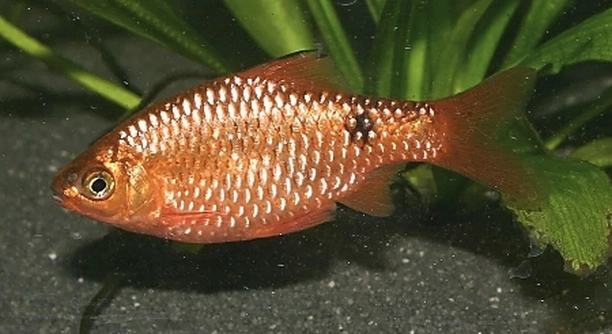
Rosy barbs tend to show brighter, more vivid colors before spawning. Males especially will develop deeper red hues, and their scales may appear more reflective in the light. This change is part of their natural mating behavior. It helps attract females and signals readiness to breed. You might also notice males displaying more frequently near females, swimming in tight circles or slightly chasing them. These visual cues are useful signs that spawning may be coming soon. Keep in mind, however, that brighter colors can sometimes be influenced by diet or stress, so it’s best to watch for a pattern of behavior, not just one isolated change. If you see both color changes and increased activity between males and females, it’s likely related to breeding. It can be helpful to take notes or even short videos so you can compare behavior over several days.
These shimmering changes aren’t random; they often happen when the fish are comfortable in their environment.
Alongside color shifts, rosy barbs may appear more alert and engaged. This increase in energy is typically a response to hormone changes tied to spawning. Keeping their tank clean and well-lit can help make these patterns easier to notice.
Persistent Chasing Behavior
Chasing is another clear sign. Males may start to closely follow or nudge females throughout the tank.
Before spawning, males tend to become more persistent in their movements. You’ll often see them swimming after females in repeated, fast patterns. This chasing may look aggressive, but it usually isn’t harmful. It’s part of their natural behavior, meant to encourage the female to release eggs. The female may dart away or slow down, but if she’s ready to spawn, she will eventually pause near plants or a soft surface. That’s where the male will then fertilize the eggs. During this time, it’s important to monitor the tank closely. If things look too rough or the female is hiding excessively, it could be stress-related, not spawning. A densely planted tank helps reduce this stress. Adding extra cover and keeping the lights soft can give the female places to retreat if she needs a break. Timing and environment play a big role in how successful spawning will be.
Increased Activity During Early Mornings
Rosy barbs often become more active during the early hours of the day. You may notice them swimming faster, flaring fins, or interacting more with tank mates right after the lights come on.
This spike in activity is tied to their natural breeding rhythm, which is often influenced by light and temperature. Early morning is when many freshwater fish, including rosy barbs, are most likely to spawn. If you consistently see your fish chasing and displaying in the mornings, it could be a sign they are preparing to breed. Make sure the tank lighting follows a regular schedule and that the temperature stays between 74–79°F. A reliable routine helps encourage spawning behavior. Keep an eye out for the male’s sudden bursts of movement and attempts to corner the female in certain spots. These focused efforts usually happen within the first few hours of daylight.
If this morning behavior repeats daily, it often means they’re close to spawning. Try offering high-protein foods like brine shrimp or bloodworms during this time to support their energy levels. Feeding in the morning also helps mimic their natural breeding conditions. Watch quietly from a distance to avoid startling them during this delicate period.
Female’s Belly Appears Rounder
When a female rosy barb is ready to spawn, her belly becomes noticeably rounder. This is due to the eggs she’s carrying, and the change can happen gradually over a few days.
A full-looking belly is one of the clearest signs a female is preparing to spawn. The swelling is most visible when looking at her from above or from the side. Unlike bloating, which often appears uneven or causes the fish to act sluggish, this roundness looks balanced and doesn’t affect how she swims. Her behavior may also change slightly—she may stay near planted areas or avoid overly active males until she’s fully ready. Keeping track of this change helps you prepare the tank in advance. If you’re using a breeding box or need to move plants or décor, try doing it before the female is actively laying eggs to avoid stress.
Frequent Visits to Plants or Tank Bottom
Females often swim near plants or stay close to the tank bottom before releasing eggs. These spots provide shelter and surfaces for the eggs to stick to.
Males may follow the female to these areas, showing increased interest in the same locations. This pairing behavior is a clear pre-spawning sign.
Subtle Fin Vibrations and Twitches
Short, quick movements of the fins can signal courtship. Males often show this twitching behavior to get the female’s attention. It’s usually gentle and brief, and may repeat several times in a row during close interactions.
Territorial Behavior From the Male
The male rosy barb might start claiming a specific area of the tank. He may chase others away from that spot, especially if the female visits it often. This space is usually near plants or smooth surfaces, where spawning is most likely to happen. Observing these patterns can help you prepare.
FAQ
How do I know the difference between normal chasing and spawning behavior?
Spawning-related chasing looks more focused and happens in shorter bursts. The male often targets one female, following her closely around the tank. He may swim beside or slightly behind her, nudging her gently toward specific areas like plants or flat surfaces. Regular chasing, on the other hand, can look more chaotic or involve multiple fish at once. It usually doesn’t lead to both fish hovering in one area or the female pausing. If you see repeated, calm interactions followed by both fish visiting the same spots, it’s likely spawning behavior.
What temperature encourages rosy barbs to spawn?
Rosy barbs tend to spawn more readily when the water temperature is kept between 74°F and 79°F. Warmer temperatures can help trigger the spawning instinct, especially when paired with regular lighting and quality food. A slow, slight increase in temperature—by 1 or 2 degrees—can also mimic seasonal changes and encourage breeding. Just make sure any changes are gradual to avoid stressing the fish. Use a reliable aquarium heater and thermometer to keep things stable. Spikes or drops in temperature can confuse or even delay their natural breeding process.
Can I leave rosy barbs in the tank after they spawn?
It’s best to move the adults after spawning if you want to save the eggs. Rosy barbs do not guard their eggs or fry. In fact, they may eat them if left in the tank. A separate breeding tank or breeding box works well for protecting the eggs and giving them a better chance to hatch. If moving the adults isn’t possible, adding a spawning mop or thick plants like java moss gives the eggs some cover. Still, removing the adults is the safest choice when trying to raise fry successfully.
How long does it take for the eggs to hatch?
Rosy barb eggs usually hatch within 24 to 48 hours, depending on the temperature. Warmer water speeds up the process. After hatching, the fry will stay attached to surfaces for a couple of days while they absorb their yolk sacs. Once they start swimming freely, they’ll need to be fed tiny foods like infusoria or specialized fry food. It’s important not to overfeed at this stage, as leftover food can cloud the water and harm the fry. Keeping the water clean and stable is key to helping them grow.
Do females lay eggs even if there’s no male present?
Yes, female rosy barbs can release eggs even if there isn’t a male around. However, these eggs will not be fertilized and won’t hatch. Sometimes this happens when the female is ready to spawn but can’t find a partner. The eggs are usually scattered around the tank and may get eaten soon after. If you keep only females, it’s still important to monitor for signs of egg release to keep the tank clean and avoid spikes in ammonia from decaying eggs.
What should I feed rosy barbs to encourage spawning?
High-protein foods help condition rosy barbs for breeding. Live or frozen foods like brine shrimp, daphnia, and bloodworms are great options. Feed them small amounts once or twice daily for about a week before expecting any signs of spawning. These foods boost energy and support egg development in females. Make sure to rotate their diet to avoid overfeeding one type. Clean up any leftovers to keep the water quality high. A well-fed, healthy pair is more likely to spawn and recover well afterward.
How often do rosy barbs spawn?
Rosy barbs can spawn multiple times a month under the right conditions. As long as they’re well-fed and the environment stays stable, they may breed every couple of weeks. However, it’s a good idea to give them rest between spawning cycles to avoid exhausting the female. Overbreeding can lead to stress, lower-quality eggs, and even illness. If you notice the female looking too thin or sluggish after a spawning session, allow time for her to recover before trying again. A healthy routine leads to better results over time.
Final Thoughts
Spawning can be one of the most exciting parts of keeping rosy barbs. Watching their behavior shift and seeing the signs fall into place gives you a better understanding of their natural rhythm. When you know what to look for—like brighter colors, chasing, or early morning activity—it becomes easier to tell when they’re getting ready to breed. These changes are not random. They happen for a reason, and noticing them helps you take the right steps to support their health and comfort. It also makes caring for them feel more personal, since you’re learning how to respond to what they need during this time.
Creating the right environment is just as important as spotting the signs. Clean water, steady lighting, and a good mix of protein-rich food go a long way. Simple changes, like adding more plants or giving them a quieter area in the tank, can make a big difference. Once the female lays her eggs, removing the adults or giving the eggs some protection helps improve the chances of survival. It doesn’t have to be a complicated setup. Even small efforts—like watching their behavior closely or adjusting the temperature slightly—can lead to a more successful spawning experience. Paying attention to the small things makes the process smoother and less stressful for everyone involved.
Rosy barbs are hardy, social fish, and once you understand their patterns, spawning becomes a lot more manageable. Whether it’s your first time or something you’ve done before, each attempt teaches you something new. No two spawns are exactly the same, and that’s okay. Being prepared and staying observant are the best tools you can have. Watching new life begin in your tank is rewarding, especially when you’ve taken the time to support it properly. Just keep your expectations realistic, give your fish the space and care they need, and stay patient. Over time, you’ll get better at spotting the signs and responding to them, which means healthier fish and a more enjoyable tank experience overall.

Hello,
If you enjoy the content that we create, please consider saying a "Thank You!" by leaving a tip.
Every little bit helps us continue crafting quality advice that supports the health, happiness, and well-being of pets around the world, for pets of all shapes, sizes, and species.
We really appreciate the kindness and support that you show us!