
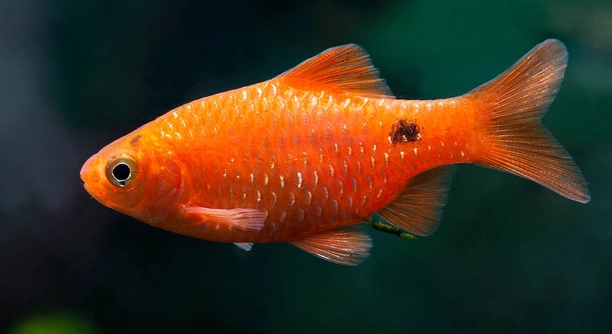
Rosy barbs are lively fish often kept in home aquariums for their bright colors and active behavior. Sometimes, these fish suddenly stop moving and freeze, which can be worrying for their owners. Understanding why this happens can help keep them healthy.
Rosy barbs freeze suddenly mainly due to environmental stressors such as sudden temperature changes, poor water quality, or the presence of predators. These factors cause a natural defensive response to avoid harm or conserve energy.
Recognizing the causes of freezing behavior can improve care and help maintain a stable, comfortable environment for rosy barbs.
Why Rosy Barbs Freeze Suddenly
When rosy barbs suddenly freeze, it is often a response to stress. This stress can come from changes in their environment that catch them off guard. For example, a sudden drop or rise in water temperature can shock their system. Poor water quality with high ammonia or nitrite levels makes it hard for them to breathe properly. Loud noises or sudden movements around the tank can also frighten them, causing this freezing behavior. Sometimes, the presence of other aggressive fish can make them feel threatened and unable to move. This freeze response is a natural way to protect themselves from danger, similar to how some animals stay still to avoid being noticed. Observing your fish closely and maintaining a calm environment helps reduce these stress triggers. Keeping the water clean and stable is key to preventing these freezing episodes in rosy barbs.
Freezing behavior signals that something in their environment needs attention or adjustment.
Understanding the specific cause behind the freeze helps you create a safer and more comfortable space for your rosy barbs. It also helps you respond quickly before stress affects their health more seriously. Adjusting water temperature gradually and monitoring water parameters regularly can prevent shocks. Avoid tapping the tank or making sudden changes near the aquarium. If other fish are aggressive, separating them can stop the stress. Sometimes, the freeze is temporary, but if it continues, checking for disease or illness might be necessary. Knowing these details makes caring for rosy barbs easier and more rewarding, helping them stay active and healthy.
Common Environmental Triggers
Sudden temperature changes are a frequent cause of freezing.
Water temperature that fluctuates quickly stresses rosy barbs. These fish prefer stable conditions around 74-79°F (23-26°C). When the water cools or heats up suddenly, their metabolism slows down or speeds up too fast, leading them to freeze. This reaction helps them conserve energy until the environment stabilizes. To avoid this, use a reliable heater and thermometer and make gradual changes during water changes. Other factors like low oxygen levels or poor filtration also cause stress, making them freeze more often. Maintaining consistent water quality and a stable environment is essential to prevent this behavior.
Signs of Stress in Rosy Barbs
Rosy barbs show stress through freezing, erratic swimming, or hiding. They may lose color or stop eating. Watching these signs early helps prevent serious health problems.
Stress weakens their immune system, making them vulnerable to diseases. Changes in water quality or temperature often cause stress. Even overcrowding or incompatible tank mates can lead to this behavior. If you notice your rosy barbs freezing frequently, check water parameters immediately. Use test kits to monitor ammonia, nitrites, nitrates, and pH levels. Adjusting the environment can help reduce stress and improve their overall health. Providing plants or hiding spots also helps them feel safe.
Ignoring these signs can lead to illness or death. Stress can cause fin rot, fungal infections, or internal parasites. If freezing continues despite good water conditions, consider consulting a vet or aquarium expert. Early action ensures your fish stay healthy and active.
Preventing Freezing Behavior
Stable water conditions reduce freezing. Keep temperature and chemistry consistent to avoid sudden shocks.
Regular water changes and proper filtration keep the tank clean, which is crucial. Avoid overcrowding and select peaceful tank mates. Sudden loud noises or vibrations near the aquarium should be minimized. Adding plants or decorations gives rosy barbs places to hide and feel secure. These steps create a calm environment that lowers stress levels. A well-maintained tank supports healthy fish behavior and reduces freezing episodes.
How to Handle a Freezing Rosy Barb
If a rosy barb freezes, avoid sudden movements near the tank. Give it time to recover naturally.
Check water temperature and quality immediately. If needed, perform a partial water change to improve conditions.
Feeding Tips to Reduce Stress
Feed rosy barbs small amounts several times a day rather than one large feeding. This reduces waste buildup and keeps water cleaner. Offering a varied diet with flakes, pellets, and occasional live or frozen foods supports their health and lowers stress.
When to Seek Help
If freezing continues despite good care, a health issue might be present. Consult an aquatic vet or fish expert.
The Role of Tank Setup
FAQ
Why do rosy barbs freeze suddenly?
Rosy barbs freeze suddenly mainly because they feel threatened or stressed. This can be caused by sudden changes in water temperature, poor water quality, or loud noises nearby. Freezing is a natural defense mechanism that helps them avoid danger by staying still.
Is freezing behavior harmful to rosy barbs?
Freezing itself is not harmful if it happens occasionally. However, if it becomes frequent, it may indicate ongoing stress or health problems. Prolonged stress weakens their immune system, making them more prone to diseases. It’s important to find and fix the cause to keep your fish healthy.
How can I tell if my rosy barb is stressed?
Signs of stress include freezing, hiding more than usual, loss of color, clamped fins, or reduced appetite. Erratic swimming or rubbing against tank decorations might also be signs. Observing these behaviors early helps you act before problems worsen.
What water parameters should I maintain for rosy barbs?
Rosy barbs thrive in water with a temperature between 74°F and 79°F (23°C to 26°C). The pH should be stable around 6.5 to 7.5. Ammonia and nitrite levels must be zero, and nitrates should be low. Regular testing helps ensure the water stays safe.
Can tank mates cause rosy barbs to freeze?
Yes, aggressive or overly active tank mates can stress rosy barbs, causing freezing. It’s best to keep them with peaceful species that won’t harass or chase them. Providing enough space and hiding spots also reduces stress caused by other fish.
How often should I change the water to prevent freezing behavior?
Performing weekly water changes of about 20-25% helps keep water clean and stable. Regular changes remove toxins and maintain good water quality, which reduces stress and freezing behavior in rosy barbs.
What should I do if a rosy barb freezes and won’t move for a long time?
First, check the water temperature and quality immediately. If everything is normal, give the fish time to recover in a calm environment. If freezing continues for several hours or days, it might be a sign of illness, and consulting a vet or fish expert is recommended.
Does diet affect freezing behavior?
Yes, a poor diet can weaken rosy barbs and increase stress, leading to freezing. Feeding a varied diet with high-quality flakes, pellets, and occasional live or frozen foods supports their health and helps reduce stress.
Can sudden changes in lighting cause freezing?
Sudden bright lights or turning the lights on and off quickly can startle rosy barbs and cause freezing. Using a consistent light schedule and dimming lights gradually helps keep them calm.
Is freezing more common in newly introduced rosy barbs?
New fish often freeze as they adjust to their new environment. This is normal but should improve as they become comfortable. Providing hiding spots and stable water conditions helps them settle faster.
Are there health issues that cause freezing?
Certain diseases or parasites can make rosy barbs freeze due to weakness or discomfort. If freezing is accompanied by other symptoms like spots, swelling, or abnormal swimming, a health check is necessary.
How can I create a stress-free tank for rosy barbs?
Maintain stable water conditions, avoid overcrowding, and choose peaceful tank mates. Add plants and decorations for hiding spots, keep feeding regular and balanced, and minimize noise and vibrations near the aquarium.
Can temperature fluctuations during water changes cause freezing?
Yes, adding water that is too warm or cold can shock rosy barbs and cause freezing. Always match new water temperature to the tank before adding it to prevent stress.
What is the best way to acclimate new rosy barbs to reduce freezing?
Float the sealed bag in the tank water for about 15-20 minutes to equalize temperature. Slowly add small amounts of tank water to the bag every 5 minutes for 30-45 minutes. This gradual process helps prevent shock and freezing behavior.
How long does freezing behavior usually last?
Freezing can last from a few seconds to several minutes, depending on the cause. Short freezes are normal defensive reactions, but longer or repeated freezing requires investigation into water conditions or health issues.
Freezing behavior in rosy barbs is a natural response to stress or sudden changes in their environment. It is important to understand that when these fish stop moving, they are usually trying to protect themselves or conserve energy. This reaction helps them survive in the wild when faced with danger. In a home aquarium, this behavior can be a sign that something is wrong with their surroundings, such as water quality, temperature, or the presence of other aggressive fish. Recognizing this early can help prevent further problems and keep your rosy barbs healthy.
Maintaining a stable and clean environment is the key to reducing freezing behavior in rosy barbs. Keeping water temperature consistent, monitoring water quality regularly, and making gradual changes when needed will help create a comfortable space for your fish. Also, choosing the right tank mates and providing plenty of hiding spots reduces stress and makes rosy barbs feel safer. Feeding them a balanced diet and avoiding overcrowding are simple ways to support their health. These steps not only prevent freezing but also encourage your fish to be more active and display their natural behavior.
Sometimes, freezing may indicate illness or a deeper issue that needs attention. If your rosy barbs freeze often despite good care, it is important to look for other signs such as changes in appearance, appetite, or swimming patterns. Consulting a fish expert or aquatic veterinarian can help diagnose and treat possible health problems. Paying attention to your fish’s behavior and acting quickly when changes occur will make a big difference in their wellbeing. Overall, understanding why rosy barbs freeze and how to respond ensures they remain healthy and vibrant in your aquarium.

Hello,
If you enjoy the content that we create, please consider saying a "Thank You!" by leaving a tip.
Every little bit helps us continue crafting quality advice that supports the health, happiness, and well-being of pets around the world, for pets of all shapes, sizes, and species.
We really appreciate the kindness and support that you show us!