
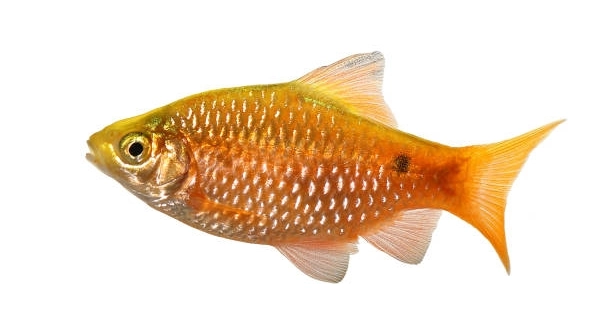
Rosy Barbs are colorful fish that often attract attention in home aquariums. Their behavior, including retreating under plants, is something many aquarium enthusiasts notice. Understanding why they do this can help create a better environment for them.
Rosy Barbs retreat under plants primarily for shelter and security. Dense plants offer protection from perceived threats and reduce stress by providing hiding spots. This behavior also mimics their natural habitat, where cover helps them avoid predators and feel safe.
Knowing what makes Rosy Barbs seek shelter can improve their care and comfort in an aquarium. This article will explain the main reasons behind their preference for plant-covered areas.
Why Rosy Barbs Prefer Plants for Shelter
Rosy Barbs feel safer when they have places to hide. In a tank without enough plants, they can become stressed and shy. Plants create shaded areas where the fish can rest and avoid bright light, which sometimes makes them uncomfortable. These hiding spots also help reduce aggression from other tank mates by giving each fish a personal space. Since Rosy Barbs are naturally active, having plants allows them to explore while still feeling protected. This balance between activity and safety is important for their well-being. When plants are dense, the fish tend to stay closer to them because it replicates their natural habitat. It helps them feel less exposed and vulnerable. Providing sufficient plants can improve their overall health by lowering stress levels and encouraging natural behavior.
Plants are essential for Rosy Barbs to feel calm and secure in the aquarium environment.
By observing their behavior, you can tell when they are comfortable. Healthy, confident Rosy Barbs often swim out more during feeding or interaction, but they return to plants when they need a break. Too few plants may cause them to hide behind decorations or in corners, showing discomfort. Adjusting the plant setup can create a better balance for the fish. Live plants also improve water quality, making the tank healthier. Choosing sturdy plants that can withstand Rosy Barbs’ activity is important, as these fish like to nibble and swim actively through foliage. Plants such as Java fern, Anubias, and hornwort are great options. This natural environment helps Rosy Barbs feel at ease, encouraging natural behavior and better coloration.
The Role of Light and Tank Setup
Too much light can make Rosy Barbs uneasy.
Strong lighting can stress fish by removing shaded areas they depend on. If a tank is too bright without plants or other hiding spots, the fish may feel exposed and retreat more often. Adjusting light levels or providing floating plants can help reduce this issue. Proper tank layout, including hiding spaces and balanced light, promotes a comfortable atmosphere for Rosy Barbs to thrive.
A balanced aquarium setup is key for Rosy Barbs’ comfort. Adjusting light intensity and adding plants or decorations to break up open spaces creates an environment where the fish feel protected. Open areas with no cover can increase their stress and cause them to hide frequently, which affects their activity and health. Floating plants can soften strong light, while dense planting at the bottom provides resting spots. This combination mimics natural waters, where sunlight filters through leaves and shadows offer shelter. Taking time to observe how your fish respond to different conditions helps in finding the best tank arrangement. Ultimately, a well-planned environment supports their natural habits and promotes a peaceful tank community.
How Stress Affects Rosy Barbs’ Behavior
Stress causes Rosy Barbs to retreat more often. When the tank environment feels unsafe, they rely on plants to hide and calm down.
Stress in fish can come from overcrowding, sudden changes in water quality, or aggressive tank mates. These factors make Rosy Barbs feel threatened, increasing their need to find cover under plants. Stress weakens their immune system, making them prone to illness. Plants offer a safe refuge where they can reduce anxiety and regain energy.
Creating a stable environment with clean water, proper tank mates, and enough hiding spots helps lower stress. When Rosy Barbs feel secure, they swim more freely and show brighter colors. Plants are not just decoration but an important part of their stress management. Observing their behavior closely can signal when stress levels are high, allowing timely adjustments to their habitat.
The Impact of Social Dynamics in the Tank
Social interaction influences how much Rosy Barbs retreat.
Dominant or aggressive fish can push Rosy Barbs toward plants for protection. In a peaceful community, they spend more time swimming openly. Tank size also matters: smaller tanks limit space, increasing competition and hiding behavior.
Rosy Barbs are schooling fish that thrive with company. However, if tank mates are too aggressive or territorial, Rosy Barbs feel threatened and seek refuge. A larger tank with plenty of plants provides multiple hiding spots, easing tension. Proper grouping—keeping Rosy Barbs in schools of at least six—reduces stress and promotes natural social behavior. Balancing species that coexist peacefully allows Rosy Barbs to interact without fear, encouraging more active swimming and less retreating. Careful selection of tank mates and environment setup improves their comfort and social wellbeing.
Feeding Habits and Plant Retreat
Rosy Barbs often retreat under plants after feeding. This behavior helps them digest food calmly without feeling exposed.
Plants provide a safe, quiet space where fish can rest after eating. It mimics their natural instincts to stay hidden while vulnerable.
Temperature and Water Conditions
Proper temperature and water quality impact how often Rosy Barbs seek shelter. When conditions are ideal, they swim openly. Poor water parameters or temperature fluctuations increase hiding behavior. Maintaining stable, clean water helps them feel secure and active.
Choosing the Right Plants
Selecting the right plants matters for Rosy Barbs’ comfort. Hardy, dense plants offer the best shelter and withstand their activity.
Movement and Activity Levels
Rosy Barbs retreat more when their environment lacks stimulation or space to swim freely.
FAQ
Why do Rosy Barbs hide under plants so often?
Rosy Barbs hide under plants mainly for safety and comfort. Plants create shaded areas that reduce stress and offer protection from perceived threats, including other fish or sudden movements outside the tank. This behavior reflects their natural instinct to find shelter in dense vegetation in the wild.
Can too few plants cause stress in Rosy Barbs?
Yes, a lack of adequate plants can increase stress levels. Without enough hiding spots, Rosy Barbs feel exposed and vulnerable, which may cause them to retreat to tank corners or behind decorations. Providing dense plants helps them feel secure and lowers stress.
Do Rosy Barbs prefer live plants over artificial ones?
Generally, live plants are better for Rosy Barbs. They offer natural hiding places and improve water quality by absorbing nitrates and producing oxygen. Live plants also create a more natural environment, encouraging natural behaviors. Artificial plants can provide cover but do not offer the same benefits.
How does tank lighting affect Rosy Barbs’ tendency to hide?
Bright or harsh lighting makes Rosy Barbs retreat more often. They prefer moderate or diffused light with shaded areas created by plants or decorations. Too much light can cause discomfort, so balancing light intensity with plant coverage helps reduce hiding behavior.
What role does tank size play in their behavior?
Tank size affects how comfortable Rosy Barbs feel. Smaller tanks limit swimming space and increase stress, causing more frequent hiding. Larger tanks with plenty of plants and open areas allow them to explore confidently while having refuge spots.
Can aggressive tank mates cause Rosy Barbs to hide more?
Yes, aggressive or territorial fish push Rosy Barbs to seek shelter under plants. Rosy Barbs are generally peaceful but will hide to avoid confrontations. Choosing compatible tank mates and providing sufficient hiding places reduces this behavior.
Is it normal for Rosy Barbs to hide after feeding?
Yes, it is normal. After eating, Rosy Barbs often retreat to plants to digest food in a safe, calm space. This mimics their natural habit of seeking shelter when vulnerable.
How do water conditions affect their hiding behavior?
Poor water quality or fluctuating temperature increases hiding. Rosy Barbs feel stressed when water conditions are unstable, leading them to retreat under plants. Keeping water clean and stable helps them feel secure and more active.
Are there specific plants better suited for Rosy Barbs?
Hardy plants like Java fern, Anubias, and hornwort are ideal. These plants withstand nibbling and swimming activity. Dense plants with broad leaves create good hiding spots, supporting Rosy Barbs’ need for shelter.
How can I tell if my Rosy Barbs are stressed?
Signs of stress include frequent hiding, faded colors, sluggish swimming, and loss of appetite. Stress often results from poor tank conditions, aggressive tank mates, or lack of shelter. Improving their environment usually reduces these signs.
Does schooling affect their behavior under plants?
Yes, Rosy Barbs feel safer in groups of six or more. Schooling reduces individual stress, making them less likely to hide frequently. Alone or in small numbers, they may retreat more often.
What can I do to encourage Rosy Barbs to swim more openly?
Provide a well-planted tank with enough space, stable water conditions, and peaceful tank mates. Moderate lighting and hiding spots help Rosy Barbs feel secure, encouraging them to swim freely and display natural behavior.
Is hiding behavior always negative?
No, hiding is a natural coping mechanism. It helps Rosy Barbs manage stress and feel safe. Occasional retreating under plants is normal and healthy, especially when they return to swim actively later.
How often should I check my tank to ensure Rosy Barbs are comfortable?
Regular monitoring is important. Daily observation helps spot signs of stress early. Weekly water tests and tank maintenance keep conditions stable, supporting Rosy Barbs’ health and comfort.
Can changing the tank layout reduce hiding?
Yes, rearranging plants and decorations to create more balanced spaces can reduce excessive hiding. Providing multiple hiding spots and open swimming areas makes the tank more inviting and less stressful for Rosy Barbs.
Final Thoughts
Rosy Barbs retreating under plants is a natural behavior that shows their need for security and comfort. Plants in the aquarium create safe spaces where these fish can hide when they feel threatened or stressed. This behavior is not a sign of illness but rather a way for Rosy Barbs to manage their environment. Understanding this helps aquarium keepers provide better care by making sure the tank offers enough plant coverage and hiding spots. When Rosy Barbs feel safe, they display more natural and active behavior, which makes watching them much more enjoyable.
Maintaining the right tank conditions is important for reducing stress in Rosy Barbs. Factors like water quality, temperature, lighting, and tank mates all play a role in how comfortable these fish feel. If any of these conditions are not ideal, Rosy Barbs are more likely to retreat frequently. A balanced aquarium setup with stable water parameters and peaceful tank companions encourages them to swim openly rather than hide. Choosing hardy plants that can withstand their activity and providing both shaded and open areas helps create a healthy and welcoming environment for Rosy Barbs.
Paying attention to Rosy Barbs’ behavior can provide clues about their wellbeing. Occasional retreating under plants is normal, but if hiding becomes constant, it may signal stress or discomfort. Regular tank maintenance and observation allow you to catch problems early and make adjustments. Overall, providing a spacious, well-planted tank with proper care supports the natural habits of Rosy Barbs, allowing them to thrive and display their vibrant colors. Creating a peaceful habitat benefits both the fish and the aquarium experience.

Hello,
If you enjoy the content that we create, please consider saying a "Thank You!" by leaving a tip.
Every little bit helps us continue crafting quality advice that supports the health, happiness, and well-being of pets around the world, for pets of all shapes, sizes, and species.
We really appreciate the kindness and support that you show us!