
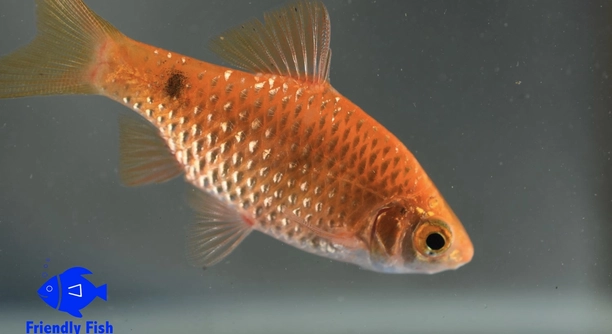
Rosy barbs are popular freshwater fish that many aquarium enthusiasts enjoy keeping. Observing their behavior closely at key moments can help maintain their health and wellbeing in your tank. These moments are important for both beginners and experienced keepers alike.
Monitoring rosy barbs during feeding, water changes, and breeding is essential for detecting stress or illness early. Close observation during tank introductions, temperature shifts, and territorial disputes ensures proper care and prevents potential problems from escalating.
Knowing when to watch rosy barbs closely helps maintain a balanced aquarium environment. The following guide highlights these crucial moments for attentive fishkeeping.
Feeding Time Behavior
Feeding time is one of the most important moments to watch your rosy barbs closely. Their behavior during feeding can reveal a lot about their health and social dynamics. If some fish are not eating well or appear weak, it could signal illness or stress. Aggressive feeding habits may also indicate competition or bullying within the tank. Observing how they respond to food can help you adjust feeding amounts or types to meet their needs better. It is common for rosy barbs to be active and quick during feeding, but any sudden changes in appetite or behavior should be noted. Regular observation at this time ensures they receive proper nutrition and maintain good health.
When rosy barbs refuse food or show unusual behavior at feeding, it may be a sign to check water quality or tank conditions.
Feeding is not only a routine task but also a moment for careful assessment. Ensuring all fish get equal access to food helps maintain balance and reduces stress. It is helpful to vary their diet, including flakes, pellets, and occasional live or frozen foods to keep them healthy. Watching feeding closely also gives insight into which fish are dominant or shy, which can guide tank management decisions. A calm and well-fed group usually indicates a stable environment and good care.
Water Change Reactions
Rosy barbs often react noticeably during water changes, making this a key moment to observe them closely.
Water changes can cause temporary stress as fish adjust to new conditions. Watching their reactions helps ensure they are not overly disturbed or harmed by sudden changes in water chemistry or temperature. Slow and careful water changes minimize stress and support their health.
Breeding Behavior
Breeding time reveals important changes in rosy barbs’ behavior that need close attention. Males become more colorful and may chase females to encourage spawning.
During breeding, males can become more territorial and aggressive. Watching these interactions helps prevent injuries and stress. Females may hide or become less active, signaling readiness or discomfort. Providing plenty of plants or spawning mops offers safe spaces and encourages successful breeding. Monitoring water parameters closely during this period is essential, as slight changes can impact breeding success.
Spawning is a delicate time requiring careful observation. Removing adults after eggs are laid can protect the fry from being eaten. Knowing these behaviors helps create a healthy environment for new fish.
Temperature Changes
Sudden temperature shifts can stress rosy barbs and cause unusual behavior. Monitoring their reactions during these changes is crucial.
Fish become less active or hide when water temperature fluctuates quickly. Consistent temperature helps maintain their metabolism and immune system. Gradual adjustments are safer and reduce shock. Using a reliable heater and thermometer supports stable conditions. Watching for signs like gasping or clamped fins during temperature changes allows early intervention. Temperature stress can lead to illness if not managed promptly. Keeping the tank environment stable is key for their overall wellbeing and comfort.
Tank Introductions
Introducing new rosy barbs to an established tank requires close monitoring. Sudden changes can cause stress and aggression among fish.
Watching how new and existing fish interact helps prevent fights and injuries. Gradual introductions with quarantine periods reduce risks and promote smoother integration.
Signs of Illness
Changes in color, behavior, or appetite often signal illness in rosy barbs. Early detection is vital for effective treatment and recovery.
Territorial Disputes
Rosy barbs may defend their space aggressively. Observing these disputes helps maintain harmony and reduces stress in the tank.
How often should I watch my rosy barbs closely?
Regular observation is important to keep rosy barbs healthy. Checking them daily during feeding and weekly during water changes helps detect early signs of stress or illness. Increased attention is necessary during breeding, tank introductions, or temperature shifts to prevent problems from escalating.
What signs show that rosy barbs are stressed?
Stress can show in various ways, including loss of appetite, hiding, unusual swimming patterns, or faded colors. Aggressive behavior or lethargy may also indicate stress. Noticing these signs early allows you to adjust tank conditions or care routines to improve their wellbeing.
Can feeding habits indicate health issues?
Yes. Healthy rosy barbs are usually eager to eat during feeding times. If some fish refuse food or seem weak, it could mean illness or stress. Uneven feeding behavior might suggest bullying or dominance struggles, which may require changes in tank setup or feeding practices.
How do I safely introduce new rosy barbs to my tank?
Quarantine new fish for at least two weeks before adding them to the main tank. Introduce them slowly, using a divider or acclimation process to reduce shock. Watch closely for signs of aggression or stress during the first few days and be ready to separate fish if needed.
Why are water changes a critical moment to watch my rosy barbs?
Water changes can cause temporary stress due to shifts in water chemistry or temperature. Watching your fish during and after the change helps ensure they adjust well. Sudden hiding, gasping, or erratic swimming may indicate problems that require attention.
What temperature range is best for rosy barbs?
Rosy barbs thrive in temperatures between 64°F and 72°F (18°C to 22°C). Avoid sudden fluctuations, as rapid changes can cause stress or illness. Use a reliable heater and thermometer to maintain stable conditions.
How do territorial disputes affect rosy barbs?
Territorial behavior can lead to aggression and stress. Rosy barbs establish dominance, especially males during breeding. Providing plenty of hiding spaces and a spacious tank helps reduce fights. Regularly observing interactions allows early action if aggression worsens.
What are common signs of illness in rosy barbs?
Look for faded colors, clamped fins, unusual swimming, spots, or sores on the body. Changes in breathing rate or appetite are also warning signs. Early treatment improves chances of recovery, so regular close observation is important.
When should I seek treatment for my rosy barbs?
If you notice consistent signs of illness or stress, such as lethargy or physical damage, begin treatment promptly. Testing water quality should also be part of your response. Early intervention helps prevent disease spread and supports fish health.
Can rosy barbs live with other fish species?
Yes, rosy barbs are generally peaceful but active fish that do well with similar-sized, non-aggressive species. Avoid very small or very slow-moving fish that may become targets. Monitor behavior closely when mixing species to ensure compatibility and prevent stress.
Final thoughts on watching rosy barbs closely highlight the importance of careful observation in maintaining a healthy aquarium. These fish can show subtle signs when something is wrong, so paying attention to their behavior during key moments is essential. Whether it is during feeding, breeding, or water changes, close monitoring allows you to detect early signs of stress, illness, or aggression. Taking the time to watch these moments helps prevent small issues from becoming bigger problems that affect the entire tank.
Consistency is key in caring for rosy barbs. Regular checks on their appearance, activity, and interactions give a clear picture of their health. Changes in appetite, color, or movement can signal that something needs attention. It is also important to maintain a stable environment with proper water conditions and temperature. Sudden changes can stress the fish and lead to health problems. By combining good daily habits with careful observation, you can create a safe and comfortable home for your rosy barbs.
Ultimately, watching rosy barbs closely during important moments benefits both the fish and the keeper. It builds a better understanding of their needs and behaviors. When you notice how they respond to different situations, you can adjust care routines to support their wellbeing. This attention helps create a balanced tank where rosy barbs thrive. Maintaining good observation practices is a simple but effective way to ensure your fish stay healthy and happy over time.

Hello,
If you enjoy the content that we create, please consider saying a "Thank You!" by leaving a tip.
Every little bit helps us continue crafting quality advice that supports the health, happiness, and well-being of pets around the world, for pets of all shapes, sizes, and species.
We really appreciate the kindness and support that you show us!