
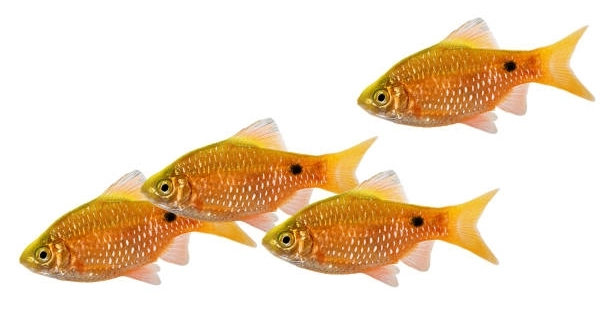
Rosy barbs are popular freshwater fish known for their vibrant colors and active nature. Many aquarium owners enjoy watching their playful behavior and bright appearance. However, these fish have certain fears that can affect their well-being in the tank.
Rosy barbs are startled by sudden movements, loud noises, poor water quality, aggressive tank mates, rapid changes in lighting, lack of hiding places, and overcrowding. These stressors can cause health issues and reduce their lifespan if not properly managed.
Understanding these surprising triggers can help create a safer environment for rosy barbs. This knowledge is essential for maintaining their health and happiness in home aquariums.
Sudden Movements and Loud Noises
Rosy barbs are sensitive to sudden movements around their tank. Quick gestures or tapping on the glass can startle them easily. This reaction is part of their natural instinct to avoid predators. Loud noises nearby also create stress, causing the fish to hide or swim frantically. In a home aquarium, keeping the environment calm helps reduce these reactions. Placing the tank in a quiet area away from heavy foot traffic or loud appliances can improve their comfort. Consistent, gentle handling and avoiding tapping on the glass are simple ways to keep them calm. When these fish feel safe, they display their bright colors and playful behavior more often. Observing their reactions carefully allows for adjustments in their care. Stress from noise or sudden movements can weaken their immune system, making them prone to illness. Keeping a peaceful atmosphere benefits both the fish and the tank’s overall harmony.
Sudden disturbances make rosy barbs nervous and disrupt their natural behavior. Reducing noise and quick actions near the tank helps keep them calm.
Maintaining a quiet and stable environment supports rosy barbs’ health. Creating a calm space prevents stress and encourages natural activity. It is important to minimize loud sounds and fast movements. Watching how they respond guides adjustments in tank placement and daily care. A peaceful setting leads to happier, healthier fish that show their full colors and swim more confidently. This simple step improves their quality of life and reduces health risks linked to stress.
Poor Water Quality
Water quality is essential for rosy barbs’ health. Dirty or unbalanced water causes stress and illness. It is important to test water regularly for ammonia, nitrites, nitrates, and pH levels. Proper filtration and frequent water changes keep the tank clean. Poor water conditions weaken their immune system, making them more vulnerable to disease. Fish may become sluggish or develop spots when water quality is low. Maintaining good water quality prevents these issues and promotes longer lifespan. Using water conditioners and avoiding overfeeding helps keep the tank environment stable. Regular tank maintenance supports rosy barbs’ natural behavior and bright coloration. Clean water is the foundation of a healthy aquarium and prevents common fish problems. Paying attention to water conditions is a simple but vital part of caring for these fish.
Consistent water testing and cleaning protect rosy barbs from harmful conditions. Good water quality is key to their well-being.
Ensuring the water in the tank remains clean and balanced is crucial for rosy barbs. Poor water quality can cause stress, illness, and even death. Testing for ammonia, nitrites, and nitrates is necessary because these substances build up and harm fish health. A reliable filtration system helps remove waste, and partial water changes prevent toxins from accumulating. Avoiding overfeeding reduces leftover food that pollutes water. Water conditioners remove harmful chemicals from tap water. Healthy water conditions encourage rosy barbs to be active and show their bright colors. Regular maintenance of the tank environment is a straightforward way to keep them healthy and comfortable. Proper water care improves their resistance to disease and supports a thriving aquarium.
Aggressive Tank Mates
Aggressive fish can intimidate rosy barbs, causing them to hide or become stressed. Avoid mixing species known for territorial or bullying behavior. Choosing compatible tank mates ensures a peaceful environment where all fish can thrive.
Rosy barbs are naturally active but can be overwhelmed by aggressive species. Aggression disrupts their swimming patterns and reduces their access to food. This constant stress may lead to health decline and poor coloration. Selecting calm, community fish helps maintain balance. When aggressive tank mates are present, it is common to see signs of distress like erratic swimming or hiding. Creating a harmonious tank setup promotes natural behavior and reduces stress-related problems.
It is important to research potential tank mates before adding them. Avoid fish that chase or nip, as rosy barbs are not built to defend themselves. Peaceful species such as danios or tetras make good companions. Providing ample space and hiding spots also helps reduce tension. Monitoring fish interactions regularly allows early detection of aggression, so corrective action can be taken quickly. A well-chosen community tank supports the health and happiness of all inhabitants.
Rapid Changes in Lighting
Sudden shifts in lighting can startle rosy barbs and cause them to dart around. Gradual transitions between light and dark phases are necessary to keep them calm. Abrupt changes disrupt their natural rhythm.
Adjusting the lighting schedule slowly helps rosy barbs adapt. Using a timer ensures consistent light periods and prevents unexpected bright flashes. Too much light can stress the fish, while too little affects their activity and color. It is best to simulate natural day and night cycles in the aquarium. Proper lighting supports their feeding habits and overall well-being. Bright or flashing lights may trigger fear responses and cause the fish to seek shelter excessively.
Avoid placing the tank near windows with direct sunlight, which can cause rapid light changes throughout the day. Installing dimmable or adjustable lighting systems provides better control. Observing how the fish react to light helps identify any stress signs. Stable, moderate lighting encourages healthy behavior and vibrant colors. This careful control of light conditions is an important but often overlooked part of caring for rosy barbs.
Lack of Hiding Places
Rosy barbs feel safer when there are places to hide. Without sufficient cover, they become stressed and vulnerable. Adding plants or decorations helps them feel secure.
Providing hiding spots reduces anxiety and encourages natural behavior. It also helps shy or injured fish recover without constant disturbance. Hiding places improve overall tank harmony and reduce aggression among fish.
Overcrowding
Too many fish in one tank causes stress for rosy barbs. Overcrowding leads to poor water quality and limited swimming space. It increases competition for food and hiding spots, which heightens tension. Maintaining an appropriate fish-to-water ratio supports their health and comfort.
Maintaining Tank Balance
Keeping a proper balance of fish, plants, and decorations ensures rosy barbs thrive. This reduces stress and promotes a natural environment where they can swim freely and feel safe. Regular maintenance and observation are key to preserving this balance.
FAQ
What should I do if my rosy barbs seem scared all the time?
If your rosy barbs appear constantly frightened, check the tank environment first. Look for sudden movements, loud noises, or aggressive tank mates. Ensure water quality is good, and there are plenty of hiding spots. Reducing stressors gradually helps them feel more secure. Adjust lighting and avoid tapping the glass. Creating a calm, stable environment is essential for their comfort and health.
How can I tell if poor water quality is stressing my rosy barbs?
Signs include sluggish swimming, faded colors, or gasping near the surface. You may also notice white spots or other visible health issues. Regularly test water parameters like ammonia, nitrites, and pH to detect problems early. Keeping the water clean with filters and regular changes prevents stress and illness.
Can certain tank mates cause my rosy barbs to hide more?
Yes. Aggressive or territorial fish can intimidate rosy barbs, making them hide or stay in one spot. Avoid mixing species that chase or nip at others. Peaceful community fish are better companions. Providing enough space and hiding places also reduces tension.
How often should I change the water to keep rosy barbs calm?
A weekly water change of about 20-25% is usually sufficient for a well-maintained tank. This helps remove waste and toxins without stressing the fish. More frequent changes might be needed if the tank is overcrowded or filtration is weak.
Is it normal for rosy barbs to dart around the tank suddenly?
Sudden darting is often a fear response to something startling, like a loud noise or quick movement near the tank. It can also result from rapid lighting changes. Ensuring a calm environment and stable lighting helps reduce this behavior.
What kinds of decorations are best for reducing rosy barbs’ stress?
Live or artificial plants, rocks, and caves provide excellent hiding spots. Avoid sharp or rough decorations that could injure the fish. Plants also improve water quality and create a natural habitat, helping fish feel safe and less exposed.
Can overcrowding cause health problems for rosy barbs?
Yes. Overcrowding increases stress, leads to poor water quality, and causes competition for food and space. This weakens their immune system and can lead to disease. Keeping an appropriate number of fish per tank size is crucial.
How can I gradually adjust lighting to avoid scaring rosy barbs?
Use a timer to control light duration and simulate natural day-night cycles. Dim lights slowly in the evening rather than turning them off abruptly. Avoid placing the tank where sunlight creates strong, sudden changes. Consistent, gentle lighting helps maintain calm behavior.
What should I do if my rosy barbs are hiding too much?
Check for causes like aggressive tank mates, poor water quality, or lack of hiding places. Improve tank conditions and give the fish time to adapt. Sometimes, new fish hide more until they feel safe.
Are rosy barbs sensitive to temperature changes?
Yes. Sudden temperature shifts can stress them. Maintain a stable temperature between 64-72°F (18-22°C). Use a reliable heater and thermometer to monitor tank conditions. Stable temperatures support their immune system and reduce fear responses.
How does stress affect the coloration of rosy barbs?
Stress often dulls their bright colors. When they feel safe and healthy, their colors become more vibrant. Managing stressors like water quality, tank mates, and environment helps maintain their natural beauty.
Can I use plants to calm my rosy barbs?
Plants offer hiding spots and reduce anxiety by mimicking natural habitats. They also improve water quality by absorbing nitrates. Including a variety of plants helps create a balanced and calming environment for rosy barbs.
What is the best way to introduce new fish to reduce stress on rosy barbs?
Quarantine new fish before adding them to the main tank. Introduce them slowly and monitor interactions closely. Rearranging decorations during introduction can help reduce territorial behavior. Keeping stress low during changes supports all fish health.
Why do rosy barbs sometimes nip at each other?
Nipping can be a sign of stress, overcrowding, or boredom. Providing enough space, hiding spots, and enrichment reduces this behavior. Sometimes keeping them in small groups helps distribute attention and lowers aggression.
How important is tank size for keeping rosy barbs calm?
Tank size is critical. Rosy barbs need enough room to swim actively and avoid stress. A minimum of 20 gallons is recommended for a small group. Larger tanks reduce aggression and allow better water quality control. Adequate space promotes natural behavior and well-being.
What are signs that rosy barbs are stressed from lighting?
Flickering, darting to hiding spots, or clamping fins may indicate stress from lighting. Sudden or overly bright light can cause these reactions. Adjusting light intensity and duration often resolves the problem. Consistency is key to reducing stress.
How do I prevent aggression among rosy barbs?
Maintain proper group sizes—at least six to diffuse aggression. Provide hiding places and enough space. Avoid mixing with aggressive species. Feeding regularly and monitoring behavior helps detect issues early. A well-planned tank setup minimizes conflicts.
Final Thoughts
Taking care of rosy barbs means paying close attention to their environment and behavior. These fish are sensitive to many factors that can cause fear or stress. Sudden movements, loud noises, poor water quality, and aggressive tank mates are common triggers. Each of these can affect their health and happiness. By understanding what scares them, you can make simple changes that improve their well-being. Keeping their tank stable and calm is the best way to help them thrive. This includes maintaining clean water, choosing peaceful companions, and providing enough space and hiding spots.
Lighting and tank conditions also play a major role in their comfort. Rapid changes in lighting or placing the tank near bright windows can startle rosy barbs. Gradual transitions between light and dark, as well as consistent lighting schedules, help reduce stress. Overcrowding is another important factor to consider. When too many fish share limited space, they become tense and compete for resources. This tension weakens their immune system and can lead to illness. Making sure the tank size matches the number of fish and adding decorations for hiding places helps keep rosy barbs calm and healthy.
Overall, creating a safe and stable home for rosy barbs requires attention and care. Small adjustments to their environment can make a big difference in how they behave and feel. Regular water testing, proper tank maintenance, and careful selection of tank mates are key to reducing their fears. When these needs are met, rosy barbs display their bright colors and active nature. They become a lively and attractive addition to any aquarium. Taking the time to understand their needs not only improves their quality of life but also brings more enjoyment to owning these beautiful fish.

Hello,
If you enjoy the content that we create, please consider saying a "Thank You!" by leaving a tip.
Every little bit helps us continue crafting quality advice that supports the health, happiness, and well-being of pets around the world, for pets of all shapes, sizes, and species.
We really appreciate the kindness and support that you show us!