
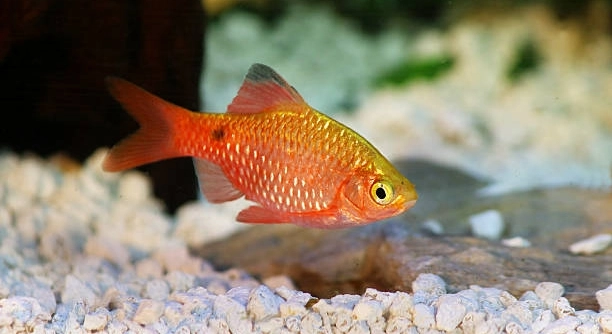
Rosy barbs are popular aquarium fish known for their bright colors and active behavior. Many fish owners keep them in community tanks, enjoying their lively presence. Understanding how these fish respond to daily routines can improve their care and wellbeing.
Rosy barbs do exhibit a capacity to recognize and respond to routine patterns, such as feeding times and environmental changes. This behavioral adaptation helps reduce stress and supports predictable interactions within their habitat, promoting overall health and stability.
Recognizing these habits can enhance how you care for your rosy barbs and create a more harmonious aquarium environment. This article explores how routines influence their behavior and wellbeing.
How Rosy Barbs React to Routine
Rosy barbs quickly learn to associate regular feeding times with food. They often become more active and swim toward the surface when they sense their usual feeding time is near. This response helps them conserve energy during the rest of the day. Besides feeding, these fish also notice changes in light patterns. A consistent light schedule encourages normal swimming and resting behavior. When their environment is predictable, rosy barbs tend to feel safer and less stressed. Sudden changes or irregularities can make them anxious or cause hiding. Maintaining a stable environment supports their immune system and overall vitality. Consistency in daily care routines plays a key role in promoting healthy behavior and interaction among the fish in the tank.
Routines create comfort for rosy barbs, making them more confident and less prone to stress-related illnesses.
Understanding these natural responses allows aquarists to improve care and encourage healthier, more natural behaviors. A steady schedule fosters peace within the tank, helping rosy barbs thrive in captivity.
Importance of Environmental Consistency
Rosy barbs respond best to stable conditions, including water temperature, lighting, and tank layout. Changes can disturb their routine and affect their behavior.
Regular maintenance and predictable conditions help maintain water quality and reduce stress. Stable environments allow rosy barbs to focus on growth and social interaction instead of reacting to threats. For example, sudden temperature shifts can cause lethargy or increased aggression. Keeping a consistent light cycle supports their natural day-night rhythm, which is important for feeding and rest. Additionally, a familiar tank setup lets them explore confidently and reduces hiding. When their habitat remains stable, rosy barbs show more vibrant colors and healthier activity levels. This consistency also helps them recognize their caretakers and reduces nervousness during tank cleaning or feeding. Aquarists who prioritize routine and stability create conditions that promote longevity and well-being in their rosy barbs.
Recognizing Feeding Time
Rosy barbs quickly learn to recognize feeding signals like light changes or the presence of their caretaker. This helps them prepare and gather at feeding spots.
Their ability to associate cues with food is a sign of basic learning and memory. Over time, they can anticipate meals and adjust their activity accordingly. This behavior reduces energy spent searching for food and creates a calmer tank environment during feeding times. It also strengthens the bond between fish and caretaker, making feeding a smooth process.
Because rosy barbs rely on routine for feeding, unpredictable schedules can cause stress or competition. Maintaining consistent feeding times helps promote peaceful behavior and ensures all fish receive proper nutrition.
Effects of Disturbances on Routine
Unexpected changes in the environment, like sudden noise or tank rearrangement, can disrupt rosy barbs’ routine and cause stress. Stress often leads to reduced appetite and hiding.
When their daily routine is interrupted, rosy barbs may become less active and more cautious. These changes can weaken their immune system, making them vulnerable to disease. Repeated disturbances reduce overall well-being and can cause long-term behavioral issues. Consistency and calm surroundings are essential to keep them healthy. Aquarists should avoid frequent or sudden changes and handle the tank gently during maintenance to minimize stress. A stable routine supports natural behavior and helps rosy barbs feel secure in their environment.
Signs of Stress in Rosy Barbs
Rosy barbs show stress through changes in behavior and appearance. They may become less active, lose color, or hide more often.
Stress can affect their health and shorten their lifespan. Watching for these signs helps catch problems early and improve their environment.
How to Build a Routine
Establish a consistent feeding schedule, maintain regular lighting, and keep tank conditions stable. These actions create a predictable environment that rosy barbs respond well to. A steady routine helps reduce stress and encourages natural behavior. It also improves their overall health and happiness.
The Role of Social Interaction
Rosy barbs are social fish that thrive in groups. Interaction with tank mates supports their routine and reduces loneliness. Social behavior contributes to a more stable and active environment.
How quickly do rosy barbs adapt to new routines?
Rosy barbs can start recognizing new routines within a few days, especially when it involves feeding times. Their ability to adapt depends on consistency. If feeding or light schedules are kept regular, they adjust quickly and begin showing anticipation. Sudden or irregular changes make adaptation slower and cause stress. Maintaining a steady routine helps the fish settle faster and feel secure in their environment.
Can rosy barbs get stressed if their routine changes suddenly?
Yes, sudden changes in feeding times, tank maintenance, or environmental conditions can stress rosy barbs. Stress manifests as hiding, loss of color, or decreased activity. Prolonged stress weakens their immune system and increases the risk of illness. Gradual changes or preparing the fish by slowly adjusting routines reduces stress and supports their health.
Do rosy barbs recognize their caretakers?
Rosy barbs can learn to associate their caretakers with feeding and care. They may swim toward the front of the tank when someone approaches. This recognition is linked to routine and positive experiences rather than personal attachment. Consistent interaction during feeding builds this behavior.
How important is lighting in maintaining rosy barbs’ routine?
Lighting plays a significant role in signaling day and night cycles to rosy barbs. Consistent light schedules help regulate their activity, feeding, and rest periods. Abrupt changes in lighting can disrupt these patterns and cause stress. Using timers for aquarium lights ensures stability and supports their natural rhythm.
What are common signs that rosy barbs are not adjusting well to a routine?
Signs include lethargy, hiding, loss of color, and reduced appetite. These behaviors often indicate discomfort or stress caused by an unstable environment or unpredictable routine. If such signs persist, reviewing feeding times, water quality, and tank conditions is necessary to improve their wellbeing.
Can rosy barbs learn other types of routines besides feeding?
Yes, rosy barbs can respond to other environmental cues like light changes, tank cleaning times, or activity near the tank. Over time, they may anticipate these events, which reduces stress during maintenance. Establishing calm, predictable care routines supports these learned behaviors.
How many rosy barbs should be kept together for healthy social interaction?
Rosy barbs are schooling fish and do best in groups of at least five. Smaller groups can lead to stress and aggression. Larger groups create natural social behaviors and improve their overall activity and wellbeing. Group size also affects how well they adapt to routines.
Does irregular feeding affect rosy barbs’ behavior?
Irregular feeding disrupts rosy barbs’ expectations and can lead to increased aggression or lethargy. Consistent feeding times help them maintain energy levels and reduce competition. Skipping or delaying meals regularly may cause stress and negatively impact health.
Are rosy barbs sensitive to changes in water temperature?
Yes, sudden temperature changes can stress rosy barbs and disrupt their routine. Stable water temperature within their preferred range (around 64–72°F or 18–22°C) is essential. Gradual adjustments, if necessary, allow them to acclimate without stress.
Can a well-maintained routine help prevent common diseases in rosy barbs?
Yes, a predictable routine supports a strong immune system by reducing stress and keeping water conditions stable. Consistent feeding, proper tank maintenance, and stable environmental factors lower the risk of infections and illnesses.
How long should a feeding session last for rosy barbs?
Feeding should last just a few minutes—long enough for all fish to eat but not so long that excess food pollutes the water. Overfeeding can cause water quality issues, leading to stress and health problems.
Is it beneficial to vary the diet within the routine?
Varied diets improve nutrition and encourage natural feeding behavior. While routines help with timing, offering different foods like flakes, pellets, and occasional live or frozen treats supports their health and interest in feeding.
What is the best time of day to feed rosy barbs?
Feeding in the morning and early evening aligns with their natural activity patterns. This schedule fits well with a stable light cycle and allows them to digest food before resting. Consistency in timing is more important than the exact hour.
Do rosy barbs require any special care during routine changes?
During any change, it is important to proceed slowly. Gradually adjust feeding times, lighting, or tank conditions over several days to minimize stress. Monitoring behavior closely helps catch any negative reactions early and adjust accordingly.
Can rosy barbs become bored with their routine?
While rosy barbs thrive on routine, adding small environmental changes like new plants or decorations can keep their habitat stimulating. Variety within a stable routine supports mental health and natural exploration without causing stress.
Rosy barbs are fish that benefit greatly from a consistent routine. They learn to expect feeding times, lighting changes, and other daily events. This helps reduce their stress and makes them feel safer in their environment. When these routines are regular, rosy barbs show more natural behavior and better health. They become more active, colorful, and social, which improves the overall atmosphere of the aquarium. Consistency in care is one of the simplest ways to help these fish thrive.
Sudden changes or irregular routines can have negative effects on rosy barbs. They may become stressed, hide more, or lose their vibrant color. Stress weakens their immune system, making them more prone to illness. This is why maintaining a steady schedule for feeding, lighting, and tank maintenance is important. Gradual adjustments are better than sudden changes if anything needs to be altered. Observing the fish’s behavior can help detect if the routine is working or if changes need to be made. A stable environment supports their long-term health.
Building a routine around the needs of rosy barbs benefits both the fish and their caretakers. It makes feeding and tank care easier and more predictable. The fish respond positively to familiar patterns and show less aggressive or anxious behavior. Social interactions among rosy barbs improve when their environment is calm and steady. Taking time to establish and maintain a routine creates a peaceful, healthy space where these colorful fish can live comfortably and happily for years.

Hello,
If you enjoy the content that we create, please consider saying a "Thank You!" by leaving a tip.
Every little bit helps us continue crafting quality advice that supports the health, happiness, and well-being of pets around the world, for pets of all shapes, sizes, and species.
We really appreciate the kindness and support that you show us!