
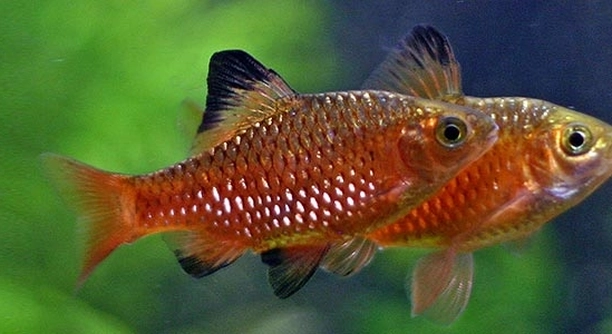
Are your rosy barbs acting jumpy or hiding more than usual, leaving you unsure about what’s causing their odd behavior?
Rosy barbs may act skittish due to environmental stress, improper tank conditions, or lack of social interaction. Changes in lighting, water quality, or the presence of aggressive tank mates can also influence their behavior and stress levels.
Identifying the cause of this skittish behavior can help create a healthier environment and improve your rosy barbs’ comfort and activity levels.
Sudden Movement and Noise Sensitivity
Rosy barbs can be easily startled by sudden movements or loud noises around their tank. These quick changes in their environment can make them feel unsafe, triggering a natural flight response. Being a prey species in the wild, they are used to reacting quickly to potential threats. When placed in a home with lots of activity, frequent tapping on the glass, or unpredictable noise, they may stay hidden or dart around nervously. These behaviors are not signs of aggression or illness but simple reactions to stimuli they find overwhelming. Keeping their tank in a quieter area of your home, away from foot traffic or televisions, may help ease their anxiety. Additionally, introducing a background on the back of the aquarium and covering three sides of the tank can give them a greater sense of security. Over time, they may adjust and feel more relaxed in their surroundings.
Avoiding fast movements near their tank can help lower their stress.
If your home is busy or loud, consider placing your aquarium in a quieter room. Choose a stable surface for the tank and avoid sudden temperature or lighting changes. Keeping a consistent routine can also help your fish feel safer. Feeding them at the same time each day, gradually approaching the tank, and maintaining stable water conditions can create a calming effect. You may also want to limit how often people interact with the tank, especially children. Even small vibrations from running or loud voices can disturb them. If your fish stay hidden, try adding more plants or hiding spots. This gives them space to retreat and feel less exposed. Over time, they may become less sensitive and more active once they feel secure. Every rosy barb is different, so some may take longer to adapt than others. With patience and gentle care, they can become more confident in your setup.
Tank Mates and Aggression
Unfriendly tank mates can lead to skittish behavior in rosy barbs. Being harassed or chased often causes them to hide.
In a community tank, rosy barbs prefer peaceful companions. If they share space with aggressive or fast-moving fish, they may become anxious or withdrawn. Constant chasing or fin nipping can stress them out, especially when there’s not enough space to escape. Choosing appropriate tank mates is essential. Avoid pairing them with fish known for territorial behavior or constant movement. Instead, consider housing them with similarly sized, non-aggressive fish. It’s also helpful to keep rosy barbs in small groups of at least five. They are schooling fish and feel more secure when surrounded by their own kind. A proper school helps distribute any tension and prevents one fish from being targeted. Make sure the tank is large enough, ideally at least 30 gallons, to give each fish space to swim freely. Include hiding spots and plants to reduce visible tension between species.
Inadequate Hiding Spaces
Lack of hiding spots can make rosy barbs feel exposed and unsafe, leading them to act skittish or retreat often. Providing shelter helps reduce stress and supports their need for a secure environment.
Rosy barbs rely on physical cover to feel protected, especially when adjusting to a new tank or recovering from stress. Without hiding spaces, they may swim erratically or stay near the bottom, showing clear signs of discomfort. Adding live or artificial plants, driftwood, or decorations with crevices gives them a place to retreat. These shelters should be spread out to prevent territorial behavior and allow access for all tank mates. Position plants in both open and shaded areas to let the fish choose where they feel safest. Hiding spots not only reduce anxiety but can also make them more active and confident over time. A well-planted tank provides both comfort and visual appeal.
In tanks with few decorations, even a peaceful group of fish can feel uneasy. Constant exposure to light and movement can make rosy barbs more reactive. If the tank lighting is bright, try using floating plants or dimmable lights. These adjustments can help create a calmer setting. Adding plants along the back and sides of the tank makes the space feel enclosed, which supports their natural behavior. You don’t need a complex setup—simple, evenly spaced plants and a few small caves are enough. Once they feel safe, rosy barbs usually become more curious and interactive, especially during feeding times. Their colors may even appear brighter, a sign of improved health and reduced stress. Balance is key—make sure there’s enough open space for swimming alongside cozy hiding areas.
Poor Water Conditions
Poor water quality is one of the most common reasons for stress in rosy barbs. Ammonia, nitrite, or fluctuating pH can cause physical discomfort, making them hide or act anxious.
To keep rosy barbs healthy and calm, monitor water conditions regularly. Using a reliable test kit can help you track ammonia, nitrite, nitrate, and pH levels. Rosy barbs do best with a stable pH between 6.5 and 7.5 and temperatures around 74–78°F (23–26°C). If ammonia or nitrite levels spike, perform partial water changes to reduce toxicity. Clean the substrate weekly to remove waste buildup, and make sure your filter is running properly. Avoid overfeeding, as leftover food quickly affects water quality. Skittish behavior can often be linked to discomfort from toxins or temperature swings. A stable environment supports both their physical health and emotional well-being. By staying on top of tank maintenance, you’ll help them stay active and relaxed.
Inconsistent Lighting Schedule
A lighting schedule that changes too often can confuse rosy barbs and increase their stress levels. Sudden light exposure, especially at night, can startle them and cause erratic swimming or hiding behavior. Keeping lights on a routine helps them feel more secure.
Using a timer for your aquarium light ensures consistency. Rosy barbs prefer around 8 to 10 hours of light each day, followed by a dark resting period. Avoid turning lights on or off abruptly, especially in a dark room. Gradual transitions help prevent stress and promote natural behavior.
Lack of Social Group
Rosy barbs are social fish and thrive in groups of at least five. When kept alone or in pairs, they may become shy or stressed. A proper group setting helps them feel safe and more active. Without a school, their behavior can seem nervous or unpredictable.
Recent Changes in the Tank
Even small changes in tank setup can affect rosy barbs’ behavior. Moving decorations, adding new fish, or adjusting the water flow may cause them to hide more or act differently. They need time to adjust before returning to normal.
FAQ
Why do rosy barbs hide so much?
Rosy barbs often hide when they feel threatened or stressed. This can happen due to poor water quality, aggressive tank mates, or lack of hiding places. Hiding is a natural defense mechanism, allowing them to feel safer when exposed to sudden noises or movements. Ensuring stable tank conditions and providing plenty of plants or decorations helps reduce hiding behavior over time.
How many rosy barbs should I keep together?
Rosy barbs are schooling fish and should be kept in groups of at least five. Keeping fewer than five can lead to stress and skittishness because they feel vulnerable. A proper group size encourages natural behavior, reduces aggression, and makes them more comfortable in their environment.
Can sudden noises make rosy barbs stressed?
Yes, loud or sudden noises can startle rosy barbs and cause them to swim erratically or hide. They are sensitive to vibrations and sounds, especially if these happen frequently near their tank. Placing the aquarium in a quiet area helps maintain a calm environment.
What water parameters do rosy barbs prefer?
Rosy barbs thrive in water with a pH between 6.5 and 7.5, temperatures ranging from 74 to 78°F (23–26°C), and low levels of ammonia and nitrite. Regular testing and partial water changes keep these conditions stable, preventing stress and related behavioral issues.
Why do rosy barbs dart around suddenly?
Sudden darting can be a response to fear or irritation caused by aggressive tank mates, strong currents, or bright lights. It is often a sign they feel threatened. Adjusting tank mates, reducing current strength, or softening lighting can reduce this behavior.
How long does it take for rosy barbs to calm down in a new tank?
Rosy barbs usually need several days to a few weeks to fully adjust to a new environment. During this time, they may hide or act skittish. Providing hiding spaces, stable water conditions, and a quiet location speeds up their adjustment period.
Can tank decorations affect rosy barbs’ behavior?
Yes, tank decorations can either increase or reduce stress. A tank without enough hiding spots may cause them to feel exposed. Conversely, overcrowding the tank with decorations might limit swimming space and create tension. Balanced decoration with open swimming areas and hiding places is best.
Is feeding routine important for rosy barbs’ behavior?
Feeding at regular times helps reduce stress and keeps rosy barbs active. Inconsistent feeding schedules can make them anxious and less responsive. Feeding small amounts two to three times daily supports their health and promotes natural activity.
What signs show that rosy barbs are stressed?
Signs include hiding excessively, darting around, clamped fins, loss of color, and reduced appetite. These symptoms often indicate poor water quality, unsuitable tank mates, or environmental stressors. Identifying and fixing the cause improves their well-being.
Do rosy barbs get along with other fish?
Rosy barbs generally do well with peaceful, similarly sized fish. Aggressive or very small fish may cause stress or provoke aggression. Careful selection of tank mates reduces conflicts and creates a calmer tank environment.
Final Thoughts
Rosy barbs are lively and beautiful fish that bring color and activity to any aquarium. However, their skittish behavior can sometimes cause concern for fish keepers. Understanding the reasons behind this nervousness is important to create a comfortable environment for them. Many factors can cause rosy barbs to act jumpy, such as sudden noises, poor water quality, or unsuitable tank mates. By addressing these issues, you can help reduce their stress and improve their overall well-being. This also means paying attention to their needs for social interaction, hiding spots, and a stable routine.
Maintaining good water quality is one of the most crucial steps to keep rosy barbs calm. Regular testing and water changes help keep toxins like ammonia and nitrite low, preventing discomfort that can make fish hide or act anxious. Consistent temperature and pH levels also play a big role in their health. When water conditions are right, rosy barbs tend to be more active and show off their bright colors. Along with water care, it is essential to choose the right tank mates. Fish that are too aggressive or too small can cause stress or even harm to rosy barbs. Keeping them in groups of five or more with peaceful companions provides a sense of security and encourages natural behavior.
Besides water and social conditions, the environment inside the tank matters a lot. Rosy barbs need hiding places like plants, caves, or decorations to feel safe. A tank with enough space to swim and places to retreat lowers their anxiety. Consistent lighting and feeding schedules also help keep them comfortable. It is normal for rosy barbs to be shy or skittish at first, especially when introduced to a new tank. Patience and careful attention to their needs will help them settle in and become more confident over time. When their environment meets these basic needs, rosy barbs can thrive and be a lively, enjoyable part of your aquarium.

Hello,
If you enjoy the content that we create, please consider saying a "Thank You!" by leaving a tip.
Every little bit helps us continue crafting quality advice that supports the health, happiness, and well-being of pets around the world, for pets of all shapes, sizes, and species.
We really appreciate the kindness and support that you show us!