
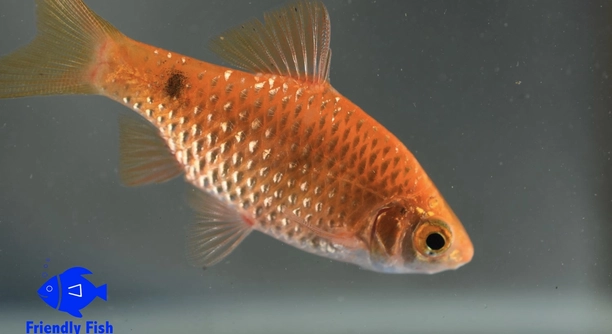
Many aquarium owners enjoy watching their rosy barbs swim among plants. These lively fish often interact with their environment in interesting ways. Observing their behavior can help understand their needs better.
Rosy barbs rub against plants primarily to remove parasites or relieve irritation on their skin. This behavior can also indicate minor stress or a natural way to maintain their health by cleaning their bodies. Monitoring their environment helps reduce this rubbing.
Recognizing the reasons behind this behavior is important for maintaining a healthy aquarium. It can improve both the well-being of your fish and the overall tank environment.
Why Rosy Barbs Rub Against Plants
Rosy barbs often rub against plants to scratch or clean themselves. Their skin can become itchy due to tiny parasites or irritants in the water. This rubbing helps remove these irritations and keeps them comfortable. Sometimes, poor water quality or sudden changes in the tank can stress them, causing more frequent rubbing. Plants provide a gentle surface for them to rub against without harming their skin. Observing this behavior early can help you check water conditions or look for signs of disease. Keeping the tank clean and balanced reduces the chances of irritation. Healthy plants also offer hiding spots and surfaces to aid their natural behavior. Understanding these reasons lets you provide a better environment for your fish, making sure they stay happy and healthy.
If rubbing happens often, it may be time to test your water. Look for ammonia, nitrite, or nitrate levels, and change the water if needed.
A proper routine for tank maintenance and checking water parameters is essential. It prevents skin problems and stress in rosy barbs. Regular water changes, cleaning, and healthy plants help maintain a stable habitat where fish can thrive and feel secure.
Signs of Parasites and Skin Problems
Fish rubbing on plants can be a sign of parasites. Parasites like ich or flukes attach to their skin and cause itching. You might see white spots, redness, or small wounds. Early detection is important to stop the spread to other fish. Treating the tank with medication or salt baths can remove parasites quickly. Keeping the tank clean and quarantining new fish helps prevent infections.
A healthy diet and good water quality boost the fish’s immune system. This reduces the chance of infections and rubbing behavior. Watch your rosy barbs closely to catch problems early and keep your aquarium balanced.
Common Causes of Irritation in Rosy Barbs
Poor water quality often causes irritation in rosy barbs. Ammonia, nitrites, and nitrates build up quickly in neglected tanks. These chemicals damage fish skin and gills, making them itchy and uncomfortable.
Keeping water clean is essential to avoid irritation. Regular water tests and partial water changes reduce harmful chemicals. Overfeeding and decaying food also pollute water, so feed small amounts and remove leftovers. Filtration helps maintain water clarity but cannot replace routine maintenance.
Temperature fluctuations or incorrect levels can stress rosy barbs, weakening their immune system. Stress makes them more prone to skin problems and rubbing behavior. Stable water temperature between 64-72°F supports their health. Avoid sudden changes by acclimating new fish slowly and monitoring heaters carefully. Creating a calm environment reduces stress and irritation.
How to Help Your Rosy Barbs
Treating irritation starts with improving water quality. Change 25% of the water weekly and test for harmful chemicals. Adding aquarium salt can soothe minor skin irritations and support healing. If parasites are suspected, use appropriate medications following instructions carefully.
Make sure your tank has enough plants and hiding places to reduce stress. Plants not only offer rubbing surfaces but also improve water quality by absorbing nitrates. Feeding a balanced diet rich in vitamins helps strengthen your fish’s immune system. Avoid overcrowding the tank, as this increases waste and competition. Watching your fish regularly helps catch problems early and keeps your rosy barbs healthy.
When Rubbing Is Normal Behavior
Rosy barbs sometimes rub against plants as a natural part of their behavior. It can help remove dead skin or algae from their bodies. This gentle rubbing does not usually harm them.
This action may also be a way to explore their environment or mark territory. As long as they look healthy, occasional rubbing is normal and nothing to worry about.
Monitoring Your Rosy Barb’s Health
Regularly check your fish for signs of illness such as changes in color, spots, or unusual swimming patterns. Healthy rosy barbs have vibrant colors and smooth scales. Early detection of problems helps prevent serious health issues.
Avoid Overcrowding the Tank
Too many fish in one tank increases stress and waste buildup. This often leads to skin irritation and rubbing behavior. Keep your tank stocked according to its size and provide enough space for each fish to swim freely.
FAQ
Why is my rosy barb rubbing against the aquarium glass?
Rosy barbs may rub against glass to scratch themselves if they feel itchy or irritated. This behavior is similar to rubbing against plants. It often happens when parasites or skin irritations are present. Make sure to check water quality and look for signs of disease to help your fish feel better.
Can rubbing cause injuries to my rosy barb?
Usually, gentle rubbing against plants or decorations won’t harm your fish. However, if they rub too hard or frequently, it can cause small wounds or damaged scales. These injuries can lead to infections. Monitoring their behavior and maintaining a clean tank helps prevent injuries.
How do I know if my rosy barb has parasites?
Parasites often cause itching and rubbing behavior. Look for white spots, red patches, or unusual marks on your fish’s body. You may also see your rosy barb scratching against objects more often than usual. If these signs appear, treat the tank with appropriate medication after confirming the parasite type.
Is poor water quality the main reason for rubbing?
Yes, poor water quality is a common cause of irritation in rosy barbs. High levels of ammonia, nitrites, or nitrates can damage their skin and gills, leading to discomfort. Regular water testing, partial water changes, and proper filtration are necessary to maintain safe water conditions.
Can stress cause my rosy barb to rub against plants?
Stress weakens fish and makes them more likely to show rubbing behavior. Causes include overcrowding, sudden temperature changes, and aggressive tank mates. Providing enough space, stable water temperature, and a calm environment can reduce stress and rubbing.
Should I treat my fish if it rubs occasionally?
Occasional rubbing can be normal if your fish looks healthy and behaves normally otherwise. Focus on good tank maintenance and a balanced diet. If rubbing becomes frequent or is paired with other symptoms like lethargy or color loss, it’s best to investigate further and consider treatment.
What tank conditions support healthy rosy barbs?
Rosy barbs thrive in clean water with temperatures between 64-72°F (18-22°C). A tank with plenty of live plants and hiding spots helps reduce stress and provides surfaces for natural rubbing behavior. Avoid overcrowding and maintain regular water changes for stable conditions.
Can diet affect rubbing behavior?
Yes, a poor diet weakens the immune system, making fish more susceptible to skin problems and parasites. Feeding a variety of quality flakes, pellets, and occasional live or frozen foods provides essential nutrients. Vitamins and minerals help keep the skin healthy and reduce itching.
How often should I clean my tank to prevent rubbing issues?
Perform partial water changes of about 25% every week to keep water clean. Clean the substrate and remove uneaten food regularly. Maintaining good filtration and avoiding overfeeding are key to preventing buildup of harmful substances that irritate your fish.
Is it safe to use aquarium salt for rubbing issues?
Aquarium salt can help soothe minor skin irritations and aid healing. Use it carefully following dosage instructions specific to your fish species. Too much salt can harm delicate plants and sensitive fish, so monitor your tank and avoid prolonged treatments unless recommended by a vet.
What signs mean I should separate a rubbing fish?
If your rosy barb shows severe skin damage, open wounds, or aggressive behavior from other fish, consider isolating it in a quarantine tank. This helps prevent infection spread and allows focused treatment. A quarantine tank also provides a calm space for recovery away from stressors.
Can new fish introduce parasites causing rubbing?
Yes, new fish can carry parasites or diseases that spread quickly. Quarantining new arrivals for two weeks before adding them to your main tank reduces this risk. During quarantine, observe for rubbing behavior or visible signs of illness to catch problems early.
How do live plants help with rubbing behavior?
Live plants provide soft surfaces for fish to rub against gently, helping remove dead skin or algae buildup. They also improve water quality by absorbing nitrates and providing oxygen. Plants create hiding spots that reduce stress, which can lower rubbing caused by anxiety.
What if rubbing continues after improving water quality?
If rubbing continues despite clean water and good care, it might indicate a hidden parasite or bacterial infection. In this case, consult a vet or aquarium specialist. They can recommend proper diagnosis and treatment to resolve persistent irritation.
Can temperature changes cause rubbing?
Yes, sudden drops or spikes in temperature stress fish, making their skin sensitive and itchy. Maintain a stable temperature using reliable heaters and avoid placing the tank near drafts or direct sunlight. Acclimate new fish slowly to the tank temperature to prevent shock.
Is rubbing behavior common in all barbs?
Rubbing behavior is seen in many barb species, not just rosy barbs. It is a natural way to relieve minor skin irritations or clean themselves. However, excessive rubbing is a sign of health problems and should be addressed promptly regardless of species.
When you notice your rosy barb rubbing against plants, it often means they are trying to relieve some discomfort. This behavior can be caused by minor irritations like parasites, poor water quality, or stress. Understanding why your fish acts this way helps you take better care of them. Keeping the tank clean and stable is one of the most important things you can do. Regular water testing, partial water changes, and proper filtration reduce the chances of your fish becoming irritated. Healthy water conditions support your rosy barbs’ overall well-being and keep their skin and scales in good shape.
Aside from water quality, paying attention to your fish’s environment is important. Adding plenty of live plants not only provides places for your rosy barbs to rub gently but also improves the water by absorbing harmful chemicals. Plants create a natural and comfortable space that reduces stress. Stress is a common reason fish show unusual behaviors, including rubbing. Maintaining a calm environment with enough space and peaceful tank mates helps keep your fish relaxed and healthy. Feeding your rosy barbs a balanced diet with the right nutrients is another way to strengthen their immune system and reduce skin problems.
If rubbing happens frequently or is accompanied by signs of illness like white spots, redness, or wounds, it’s important to act quickly. Parasites or infections can develop if left untreated. In these cases, testing the water and treating the tank properly will help your fish recover. Sometimes you may need to isolate a sick fish to prevent the spread of disease. Watching your fish regularly and understanding their behavior allows you to catch problems early and give them the best care possible. With a clean tank, good diet, and careful observation, your rosy barbs can live healthy and happy lives without constant irritation or discomfort.

Hello,
If you enjoy the content that we create, please consider saying a "Thank You!" by leaving a tip.
Every little bit helps us continue crafting quality advice that supports the health, happiness, and well-being of pets around the world, for pets of all shapes, sizes, and species.
We really appreciate the kindness and support that you show us!