
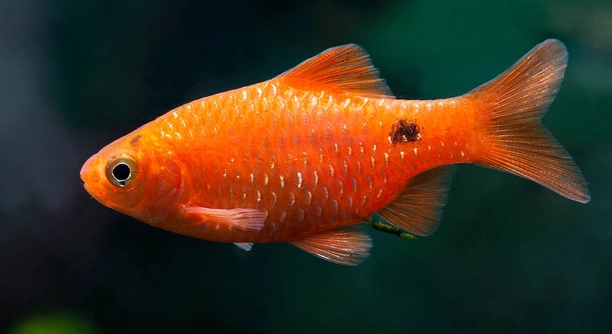
Rosy Barbs are vibrant fish that add lively color to any aquarium. Keeping their hues bright and bold requires attention to their diet and overall care. Many fish owners seek reliable ways to enhance their Rosy Barbs’ natural beauty.
Providing Rosy Barbs with foods rich in carotenoids, such as spirulina, krill, and bloodworms, supports their coloration. These nutrients stimulate pigment production and help maintain intensity, ensuring the fish stay healthy and visually striking over time.
This article highlights seven effective foods to keep Rosy Barbs colorful and thriving in your tank.
Spirulina: A Natural Color Booster
Spirulina is a blue-green algae packed with nutrients that enhance the colors of Rosy Barbs. This food contains high levels of carotenoids and proteins, which directly affect pigmentation. Adding spirulina flakes or powder to their diet can improve the red and orange hues on your fish. It also supports overall health, boosting their immune system and energy levels. Many fish keepers notice a visible difference in color intensity after a few weeks of feeding spirulina regularly. This makes spirulina an excellent choice for maintaining vibrant Rosy Barbs without complicated supplements or additives.
Its natural composition makes it safe for long-term use and easy to include in daily feeding routines.
Spirulina not only enriches color but also promotes better digestion and growth. Including it regularly keeps your Rosy Barbs looking bright and feeling healthy.
Krill: Protein-Rich Color Enhancer
Krill is a small crustacean that provides rich protein and carotenoids, essential for vibrant fish colors.
Krill is highly digestible and rich in astaxanthin, a pigment that boosts red and orange tones in Rosy Barbs. Feeding krill either live, frozen, or freeze-dried supplies natural nutrients that enhance brightness. Its protein content also supports muscle development and overall vitality, helping fish stay active and healthy. Because krill is natural prey for many fish, it encourages feeding activity and reduces stress, which benefits color retention. Including krill in your fish’s diet two to three times a week ensures steady color improvement without overfeeding. Avoid excessive amounts to maintain water quality in the tank. Krill’s balanced nutrition makes it a practical and effective choice for keeping your Rosy Barbs bold and healthy.
Bloodworms: A Favorite Treat
Bloodworms are rich in protein and natural pigments, which help intensify the red and pink shades in Rosy Barbs.
Feeding bloodworms occasionally can boost your fish’s coloration and provide a nutritious diet variation. They are especially useful during breeding or when fish need extra energy. Bloodworms can be given live, frozen, or freeze-dried, making them convenient to use. Their high protein content supports muscle growth and overall health, while the natural pigments encourage brighter colors. Overfeeding bloodworms should be avoided to prevent water quality issues.
Bloodworms are a valuable addition to the diet when balanced with other foods. They provide essential nutrients and make feeding time more enjoyable for your fish.
Daphnia: A Natural Color Enhancer
Daphnia, also called water fleas, are packed with carotenoids and vitamins that help maintain vibrant fish colors.
These tiny crustaceans improve digestion and stimulate appetite in Rosy Barbs. Including Daphnia in the diet offers a natural source of antioxidants, which support immune function and reduce stress, both important for color retention. Live or frozen Daphnia can be fed several times a week to promote health and brightness. Their slow movement encourages fish to be active, which further enhances overall well-being. Regular feeding of Daphnia balances nutrition and promotes natural, bold coloration in Rosy Barbs, making it a smart choice for any tank.
Brine Shrimp: Nutrient-Packed and Colorful
Brine shrimp provide a balanced mix of protein and carotenoids, supporting bright colors in Rosy Barbs.
They are easy to digest and stimulate natural feeding behavior, which helps fish stay healthy and vibrant.
High-Quality Flake Food
Choosing high-quality flake food enriched with natural color enhancers is essential. Such flakes often contain spirulina, astaxanthin, and other pigments that maintain and boost coloration. Regular feeding of these flakes ensures a consistent supply of nutrients necessary for healthy, bright Rosy Barbs. They are convenient for daily use and provide a well-rounded diet when combined with live or frozen foods.
Vegetables for Color Support
Small amounts of vegetables like peas and spinach supply vitamins and fiber that help Rosy Barbs’ overall health and color.
What foods best enhance Rosy Barbs’ colors?
The most effective foods for enhancing Rosy Barbs’ colors are those rich in carotenoids and proteins. Spirulina, krill, bloodworms, brine shrimp, and daphnia provide natural pigments like astaxanthin and beta-carotene, which stimulate brighter reds and oranges. Including high-quality flake foods with added color enhancers helps maintain consistent coloration. Occasionally offering small amounts of vegetables like spinach or peas supplies vitamins that support overall health, indirectly affecting color intensity.
How often should I feed color-enhancing foods to Rosy Barbs?
A balanced feeding schedule is important. Use high-quality flakes daily as a base diet. Add live or frozen foods like bloodworms, krill, or daphnia two to three times per week to boost coloration without overloading the tank. Spirulina can be included regularly since it’s safe and nutritious. Moderation prevents water quality problems and keeps the fish healthy. Varying the diet keeps your Rosy Barbs interested and ensures they get all necessary nutrients.
Can feeding too many live foods harm my fish or tank?
Overfeeding live or frozen foods can lead to water quality issues. Uneaten food decomposes quickly, increasing waste and ammonia levels, which stresses fish and dulls color. It’s important to feed only what your Rosy Barbs can consume in a few minutes and remove leftovers. Maintaining good filtration and regular water changes helps manage any excess nutrients. Balance is key for bright, healthy fish and a clean aquarium environment.
Are there plant-based foods that improve Rosy Barb coloration?
Yes, plant-based foods like spirulina are excellent for Rosy Barbs. Spirulina provides carotenoids and proteins that enhance color and health. Vegetables like peas, spinach, and lettuce offer vitamins and fiber that aid digestion and overall well-being, indirectly supporting color vibrancy. While not as rich in pigments as animal-based foods, these plants are good supplements that diversify the diet and promote balanced nutrition.
Do Rosy Barbs need supplements for color, or is diet enough?
In most cases, a varied diet rich in natural pigments is sufficient to maintain bright colors in Rosy Barbs. Supplements are usually unnecessary if you provide a mix of high-quality flakes, spirulina, live or frozen foods like krill and bloodworms. Proper tank conditions and low stress also play a role in keeping colors vivid. Only consider supplements if your fish show dull colors despite a balanced diet and good care.
How does tank environment affect Rosy Barb coloration?
Tank conditions greatly influence fish color. Clean water with stable temperature and pH reduces stress, which helps maintain vibrant coloration. Proper lighting can enhance how colors appear but won’t improve them on its own. Overcrowding and poor diet cause stress, leading to faded colors. Regular water changes and good filtration support healthy fish, which naturally show brighter hues.
Is it better to feed live or frozen foods for color enhancement?
Both live and frozen foods offer similar benefits for color enhancement. Live foods may encourage more natural feeding behavior and provide fresh nutrients. Frozen options are convenient and safe from parasites or contaminants. Rotating between live and frozen varieties gives a balanced nutrient supply and keeps fish interested. Consistency and variety matter more than the form of food.
Can stress affect the colors of Rosy Barbs?
Yes, stress from poor water quality, aggressive tank mates, or sudden changes causes Rosy Barbs to lose their bright colors. Stress triggers hormonal responses that dull pigmentation as the fish focus on survival. Reducing stress by maintaining stable conditions, providing hiding places, and avoiding overcrowding helps keep their colors bold and sharp.
What is the best way to introduce new foods for color enhancement?
Introduce new foods gradually by mixing small amounts with familiar flakes or pellets. This reduces the chance of digestive upset and encourages acceptance. Observe how your Rosy Barbs respond and adjust portions accordingly. Variety in diet supports color and health but should be introduced carefully to avoid overfeeding or tank pollution.
Can poor nutrition cause permanent color loss in Rosy Barbs?
Prolonged poor nutrition can lead to dull colors and weakened health. If addressed early, restoring a balanced diet can bring back bright pigmentation. However, chronic deficiencies may cause lasting damage to skin and scales, making full color recovery difficult. Consistent, quality feeding is essential to prevent permanent color loss.
Rosy Barbs are beautiful fish that bring color and life to any aquarium. Keeping their colors bright requires attention to their diet and environment. Feeding them a variety of nutritious foods rich in natural pigments is key. These include spirulina, krill, bloodworms, brine shrimp, and daphnia, all of which provide essential nutrients that help maintain their vibrant reds and oranges. A balanced diet not only supports their coloration but also promotes overall health and vitality. Without proper nutrition, Rosy Barbs can lose their brightness and become more vulnerable to illness.
Maintaining good water quality and reducing stress in the tank also play important roles in keeping Rosy Barbs colorful. Clean, stable water with the right temperature and pH creates an environment where these fish can thrive. Stress from overcrowding, aggressive tank mates, or sudden changes can cause colors to fade. Providing hiding places and monitoring tank conditions help create a calm setting that encourages natural coloration. In combination with a nutrient-rich diet, these factors make it easier for your Rosy Barbs to show their best colors consistently.
Regularly feeding a variety of quality foods while ensuring a healthy tank environment is the most effective way to keep Rosy Barbs bright and bold. Avoid overfeeding and remove uneaten food to protect water quality. Introducing new foods gradually can help your fish adjust without digestive issues. Remember that patience is important; color improvements may take several weeks to become noticeable. By focusing on balanced nutrition and good care, you can enjoy vibrant, healthy Rosy Barbs that enhance your aquarium for a long time.

Hello,
If you enjoy the content that we create, please consider saying a "Thank You!" by leaving a tip.
Every little bit helps us continue crafting quality advice that supports the health, happiness, and well-being of pets around the world, for pets of all shapes, sizes, and species.
We really appreciate the kindness and support that you show us!