
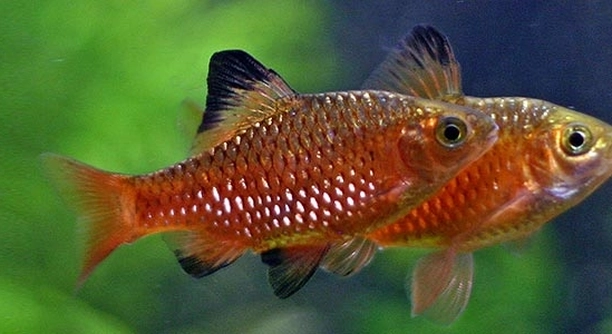
Rosy barbs are lively fish that brighten up any aquarium with their vibrant colors and active swimming. Many fishkeepers want to ensure these fish stay healthy and happy in their tanks. Enriching their environment is key to promoting natural behaviors and well-being.
Providing enrichment for rosy barbs involves simple tricks such as adding plants, varying their diet, creating hiding spots, and encouraging exploration. These methods help reduce stress, stimulate activity, and improve overall fish health in captivity.
These easy enrichment ideas can make a big difference in your rosy barbs’ daily life and help you become a more confident fishkeeper.
Creating a Comfortable Environment
Rosy barbs thrive best in an environment that mimics their natural habitat. Adding live or artificial plants to the tank provides shelter and makes the space feel more secure. They enjoy swimming through dense vegetation, which helps reduce stress and encourages natural exploration. Smooth stones, driftwood, or decorations with gentle edges can create hiding spots and break the tank’s open space. This variety prevents boredom and keeps your fish active. Keeping the tank clean and maintaining proper water quality is also essential, as poor conditions can cause stress and illness. Using a gentle filter flow helps maintain oxygen levels without overwhelming your barbs, as they prefer moderate currents. Adjusting the lighting to simulate natural daylight cycles supports their natural rhythm, which influences feeding and activity. With these simple changes, your tank becomes a better place for rosy barbs to swim, hide, and explore.
Maintaining water quality and proper decoration in the tank significantly improves the well-being of rosy barbs.
Regular water changes combined with thoughtful tank setup create a safe and stimulating home. A well-maintained environment lowers stress and reduces the chance of illness. Providing hiding places and varied spaces keeps your barbs curious and active throughout the day, making your aquarium lively and enjoyable to watch.
Feeding for Variety and Health
Offering different foods keeps rosy barbs interested and supports their nutritional needs. While they accept flakes and pellets, supplementing their diet with live or frozen foods like bloodworms or brine shrimp adds essential proteins and nutrients. Including plant-based foods such as blanched spinach or spirulina flakes provides fiber and vitamins. Changing food types regularly prevents boredom and encourages natural hunting and foraging behavior. Feeding small amounts multiple times a day helps mimic their natural feeding patterns and avoids overfeeding, which can pollute the tank. Removing leftover food promptly maintains water quality and prevents algae growth. A balanced diet not only enhances color but also strengthens the immune system, making your rosy barbs more resistant to common diseases. Providing variety ensures your fish stay healthy and display their best behavior.
Feeding rosy barbs a balanced and varied diet promotes their health and vibrant colors.
A diverse diet keeps them engaged and supports all nutritional requirements. Avoid overfeeding to maintain water quality and observe how they respond to different foods to find what suits them best.
Encouraging Social Interaction
Rosy barbs are naturally social fish that feel more secure and active when kept in groups. Keeping at least six together helps prevent loneliness and reduces aggressive behavior.
When kept in groups, rosy barbs establish social hierarchies without causing harm, which keeps their interactions interesting and dynamic. Group swimming encourages natural behavior like chasing and schooling, which reduces stress. However, overcrowding can lead to territorial disputes and poor water quality, so it’s important to balance group size with tank space. Observing how your fish interact can help you adjust the group size and arrangement to keep harmony in the tank.
Social interaction improves mental stimulation and promotes healthier, more active fish. It also makes the aquarium more lively and enjoyable to watch. Group living mimics their natural behavior, which supports overall well-being and reduces stress-related health problems.
Using Tank Decorations for Stimulation
Adding varied tank decorations creates visual interest and physical challenges for rosy barbs. Structures like caves, tunnels, or floating plants offer places to explore and hide.
Decorations break up the tank’s open space, preventing boredom and encouraging exploration. Barbs enjoy swimming through narrow spaces and darting around obstacles, which promotes exercise and mental stimulation. Decorations also offer refuge during rest or when feeling threatened, reducing stress. Avoid sharp or rough materials to prevent injury. Regularly rearranging decorations can renew interest and keep the environment fresh for your fish. When choosing decorations, consider materials that won’t alter water chemistry or require heavy maintenance, ensuring a healthy and stable habitat. Thoughtful decoration contributes greatly to the daily happiness and health of your rosy barbs.
Varying the Lighting
Changing the lighting intensity throughout the day helps mimic natural conditions. Rosy barbs feel more comfortable with gradual shifts rather than sudden bright lights.
Using a timer to simulate sunrise and sunset supports their internal clock. Avoid harsh, direct lighting that can cause stress or encourage excessive algae growth. Soft, diffused light helps them display their colors better and reduces hiding behavior.
Providing Live Plants
Live plants improve water quality by absorbing nitrates and releasing oxygen. They also give rosy barbs natural hiding spots and encourage natural behaviors like nibbling on plant matter.
Plants help maintain a balanced environment and make the tank more visually appealing. Including a variety of plants keeps the habitat interesting and supports your fish’s health.
Encouraging Exploration
Placing new objects or rearranging the tank layout regularly motivates rosy barbs to explore. This simple change reduces boredom and stimulates their natural curiosity.
Changing their environment keeps their daily routine fresh and engaging, which helps maintain their activity levels.
FAQ
How many rosy barbs should I keep together?
Rosy barbs are schooling fish and do best in groups of six or more. Keeping them in a group helps reduce stress and aggressive behavior. Smaller groups can lead to loneliness and increased fighting, so a larger school is important for their well-being.
What is the ideal tank size for rosy barbs?
A minimum of 20 gallons is recommended for a small group of rosy barbs. This size provides enough swimming space and room for decorations and plants. Larger tanks are always better, as they allow for more stable water conditions and give your fish room to explore.
Can rosy barbs live with other fish?
Yes, rosy barbs are generally peaceful but can be fin nippers, so avoid keeping them with very slow or long-finned fish. Good tank mates include other active mid-sized fish like danios, barbs, or certain tetras that can handle their energetic nature.
What should I feed my rosy barbs?
Feed a varied diet including high-quality flakes or pellets, supplemented with live or frozen foods like bloodworms, brine shrimp, and plant-based foods. Feed small amounts two to three times daily to avoid overfeeding and maintain water quality.
How often should I clean the tank?
Perform partial water changes of 20-25% weekly to keep the water clean and healthy. Regularly remove uneaten food and debris from the substrate to prevent buildup of harmful substances.
How do I know if my rosy barbs are healthy?
Healthy rosy barbs are active, swim freely, and show bright colors. Watch for signs of illness like faded colors, clamped fins, lethargy, or unusual spots. Early detection and treatment help keep your fish healthy.
What kind of plants are best for rosy barb tanks?
Hardy plants like Java fern, Anubias, and hornwort work well because they tolerate a range of water conditions and provide good cover. Avoid delicate plants that might get eaten or uprooted by the active barbs.
Can rosy barbs jump out of the tank?
Yes, they are known to jump occasionally. Always keep a secure lid on your tank to prevent escapes, especially during feeding or tank maintenance when water disturbance is high.
Do rosy barbs require special water parameters?
They prefer a temperature between 64-72°F (18-22°C) and slightly alkaline water with pH around 7.0 to 8.0. Stable water conditions are important, so monitor regularly and avoid sudden changes.
How can I reduce aggression in rosy barbs?
Keeping them in proper group sizes and providing plenty of hiding spots and decorations helps reduce aggression. Feeding them well and maintaining good water quality also supports calmer behavior. Avoid overcrowding, which can increase stress and fighting.
Final Thoughts
Taking care of rosy barbs can be very rewarding when you create a healthy and stimulating environment for them. These fish are active and social, so giving them plenty of space and company helps keep them happy. A well-set-up tank with live plants, hiding spots, and gentle lighting encourages natural behavior. It also lowers stress, which is important for their health. Keeping the water clean and stable ensures your rosy barbs stay healthy and show their best colors. Small changes, like rearranging decorations or adding new plants, can keep the tank interesting for your fish and make your aquarium more enjoyable to watch.
Feeding rosy barbs a varied and balanced diet is just as important as setting up their environment. They thrive on a mix of flakes, pellets, live or frozen foods, and plant matter. Offering different foods not only provides the nutrients they need but also encourages natural foraging behaviors. Feeding small portions multiple times a day helps prevent overfeeding and keeps water quality high. Healthy fish are active and display vibrant colors, so paying attention to their diet and feeding habits will benefit both your barbs and your aquarium’s overall balance.
Finally, rosy barbs do best when kept in groups of six or more, as they are social fish. Group living reduces aggressive behaviors and helps them feel secure. Watching a school of rosy barbs swimming and interacting is a highlight for many fishkeepers. Remember to avoid overcrowding to keep stress low and water quality good. Providing a variety of enrichment tools such as plants, decorations, and varied lighting supports their mental and physical health. With a little effort and attention to their needs, rosy barbs can thrive and bring life to your aquarium for years to come.

Hello,
If you enjoy the content that we create, please consider saying a "Thank You!" by leaving a tip.
Every little bit helps us continue crafting quality advice that supports the health, happiness, and well-being of pets around the world, for pets of all shapes, sizes, and species.
We really appreciate the kindness and support that you show us!