
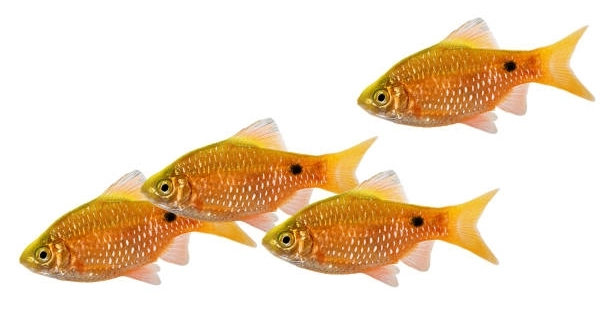
Rosy barbs are popular aquarium fish known for their bright colors and active behavior. Many hobbyists wonder how lighting affects their comfort and safety. Understanding how these fish respond to bright lights is important for their care.
Rosy barbs can tolerate bright lighting, but excessive or harsh light may cause stress and disrupt their natural behavior. Properly adjusted lighting that mimics their natural environment helps maintain their well-being and reduces anxiety.
Knowing how light impacts rosy barbs will help you create a safer and more comfortable environment for them in your aquarium. This knowledge is key to promoting their health and happiness.
How Bright Lights Affect Rosy Barbs
Bright lights can have a significant impact on rosy barbs. In their natural habitats, these fish are accustomed to varying light levels due to plants, water depth, and weather. Sudden exposure to intense or constant bright light can cause them to feel vulnerable and stressed. This stress may lead to hiding, erratic swimming, or loss of color vibrancy. On the other hand, moderate lighting encourages normal activity and healthy behavior. It is important to balance the light duration and intensity. Too little light might reduce their activity and dull their colors, while too much light creates an uncomfortable environment. Using aquarium plants or shaded areas helps create spots where rosy barbs can retreat if needed. Observing your fish for signs of discomfort under different lighting conditions is crucial for adjusting the setup to keep them calm and safe.
Careful light management ensures rosy barbs remain active and vibrant without unnecessary stress or health risks.
Adjusting light levels should consider natural cycles. A timer can help keep consistent light periods, usually around 8-10 hours per day. Dimmer or filtered lighting options may also enhance comfort. Watching how your fish behave during light changes provides clues to their needs. Making small adjustments gradually allows them to adapt better. Using plants, decorations, or floating covers creates safe zones with lower light intensity. This variety mimics their natural environment and offers a sense of security. Avoid placing the aquarium where direct sunlight hits constantly, as this increases light intensity and temperature. Ensuring proper light levels is part of overall tank maintenance that promotes healthy fish and a balanced aquarium ecosystem.
Creating a Safe Lighting Environment
Providing areas with lower light levels gives rosy barbs a place to rest and feel secure.
Using plants and decor to break up light helps reduce stress and mimics their natural surroundings.
Plants and decorations are more than aesthetic choices. They serve as crucial refuges where rosy barbs can escape bright light when it becomes overwhelming. Live plants also improve water quality, which benefits fish health. Using a mix of tall and short plants creates layers of shade, offering several levels of protection. Floating plants soften light coming from above and reduce glare. Rock formations or driftwood add hiding spots, which further contribute to their sense of safety. These elements create a varied environment that helps regulate light exposure naturally. It is important to arrange these features thoughtfully so the fish can move easily between well-lit and shaded areas. When setting up the aquarium, consider lighting placement and intensity along with tank furnishings to provide a comfortable habitat that supports the well-being of rosy barbs.
Adjusting Light Intensity for Rosy Barbs
Using adjustable lighting helps create the right environment for rosy barbs. Dimming options or using LED lights with variable settings allows for better control of brightness levels.
Gradually increasing or decreasing light intensity helps fish adapt without causing shock. Sudden changes can stress them, so it’s best to adjust lighting slowly over several days. LED lights are energy-efficient and provide good control over brightness and color temperature. They also generate less heat, which helps maintain a stable tank temperature. Using a dimmer switch or adjustable LED fixtures gives flexibility in finding the most comfortable setting for your fish. Monitoring their behavior during changes will show if the light is too bright or just right.
Some aquariums have preset lighting modes that simulate sunrise and sunset, creating a natural daily rhythm. This feature supports fish health by reducing abrupt light changes and promoting calmness.
Signs of Light Stress in Rosy Barbs
Rosy barbs show stress through behavior and appearance changes. Signs include hiding more often, swimming erratically, and losing their bright colors.
Stress from improper lighting can weaken their immune system and lead to illness. When they feel uncomfortable, they may also stop eating or become lethargic. Watching for these signs early can help prevent long-term health problems. Color fading is a common indicator that the light is too intense or the duration is too long. Providing shaded areas and adjusting light intensity usually helps restore normal behavior. Frequent observation is key to maintaining a healthy environment, especially after changes in lighting. If stress continues despite adjustments, consider reviewing other tank conditions such as water quality and temperature.
Best Lighting Types for Rosy Barbs
Fluorescent and LED lights are commonly used for aquariums housing rosy barbs. Both provide good light quality and can be adjusted for intensity.
LED lights are preferred for their energy efficiency and longer lifespan. They also produce less heat, which helps maintain stable tank conditions.
Natural Light Versus Artificial Light
Natural light can benefit rosy barbs by providing a full spectrum of light, but it must be indirect to avoid overheating the tank. Direct sunlight can cause temperature spikes and algae growth, which harm fish health.
Artificial lighting offers more control over intensity and timing, making it easier to replicate natural conditions. Using timers ensures consistent light cycles that support fish well-being. Combining both natural and artificial light can work well if managed carefully to avoid extremes.
Setting Up a Lighting Schedule
Keeping a consistent lighting schedule helps maintain rosy barbs’ natural rhythms. Around 8-10 hours of light per day is ideal for most setups.
Timers are useful tools for maintaining this routine, reducing stress and encouraging normal behavior in the fish.
FAQ
Can rosy barbs handle bright aquarium lights all day?
No, keeping bright lights on all day can cause stress for rosy barbs. They need periods of darkness to rest and feel secure. A lighting schedule of about 8 to 10 hours per day is recommended to mimic their natural environment and avoid overstimulation.
What are the best types of lights for rosy barbs?
LED and fluorescent lights work well for rosy barbs. LEDs are preferred because they use less energy, produce less heat, and allow easy adjustment of brightness. Fluorescent lights also provide good coverage but may produce more heat and consume more electricity.
How do I know if my rosy barbs are stressed from light?
Stress from light often shows in behavior and appearance. If your rosy barbs hide frequently, swim erratically, or lose their bright color, the lighting might be too intense or on for too long. Watch for these signs and adjust the light accordingly.
Can natural sunlight replace aquarium lighting for rosy barbs?
Natural sunlight can help but only if it is indirect and controlled. Direct sunlight can raise water temperature quickly and promote algae growth, which harms fish. It is safer to rely on artificial lighting with timers to maintain consistent light cycles.
Is it necessary to have shaded areas in the tank?
Yes, shaded or dimly lit areas are important for rosy barbs. They provide safe spots where the fish can retreat if the light feels too harsh. Plants, decorations, and floating covers create these shaded zones and help reduce stress.
How long should the lights be on each day?
Around 8 to 10 hours of light daily is ideal. This period supports healthy activity and natural behavior without causing overstimulation. Use a timer to keep this schedule consistent and avoid abrupt light changes.
Can too little light harm rosy barbs?
Yes, insufficient lighting can reduce their activity and dull their coloration. While too much light stresses them, too little light can also negatively affect their overall health. Balanced lighting is key.
Are colored or special spectrum lights better for rosy barbs?
Standard white or full-spectrum LED lights are usually best. They highlight the natural colors of rosy barbs and support their biological rhythms. Special colored lights can alter their appearance but do not offer added health benefits.
What should I do if my rosy barbs lose color under bright lights?
Reducing light intensity or providing more shaded areas often helps restore their colors. Stress from bright light can cause fading, but correcting the environment usually brings back vibrancy within days or weeks.
Do rosy barbs need a gradual light increase and decrease?
Yes, gradual changes mimic natural sunrise and sunset, reducing stress. Sudden lighting changes can startle the fish. Using timers with fade-in and fade-out functions, or manually adjusting light levels slowly, supports their comfort.
Can light intensity affect tank algae growth?
High light intensity encourages algae growth, which can harm water quality and fish health. Managing light duration and intensity helps control algae. Adding plants that compete with algae can also improve the tank environment.
Is it okay to keep aquarium lights off at night?
Yes, turning off lights at night is important. Fish need darkness to rest properly, similar to their natural habitat. Continuous light can disrupt their biological cycles and cause stress.
What role do plants play in managing light for rosy barbs?
Plants provide natural shade and reduce light intensity in parts of the tank. They create hiding spots and break up direct light, making the environment more comfortable for rosy barbs. Live plants also improve water quality and oxygen levels.
How often should I check and adjust lighting for my rosy barbs?
Regular observation is important, especially after changes to lighting or tank setup. Monitor fish behavior and appearance weekly and adjust light settings if signs of stress or discomfort appear.
Are there any signs besides color loss that show lighting problems?
Yes, erratic swimming, excessive hiding, and reduced feeding are common signs. These behaviors often indicate the fish are uncomfortable with the lighting or other environmental factors.
Can I use a light timer for better control?
Using a timer is highly recommended. It ensures consistent light cycles and prevents forgetting to turn lights on or off. Consistency supports fish health and reduces stress caused by irregular lighting.
Do rosy barbs prefer a specific light spectrum?
Rosy barbs do best under full-spectrum lighting that mimics natural daylight. This type of light enhances their natural colors and helps maintain normal behavior and health.
How does lighting affect rosy barb breeding?
Proper lighting supports breeding by promoting healthy activity and normal behavior. Consistent light cycles help regulate spawning times. Overly bright or inconsistent lighting may interfere with breeding success.
What should I avoid when setting up lighting for rosy barbs?
Avoid placing the tank in direct sunlight or using excessively bright lights without shaded areas. Do not keep lights on for too long or change lighting abruptly. These factors increase stress and harm the fish’s well-being.
Can lighting changes alone improve stressed rosy barbs?
Adjusting lighting often helps but should be combined with good water quality, proper temperature, and a balanced diet. Stress can come from multiple sources, so a holistic approach is best for their recovery.
Final Thoughts
Lighting plays a key role in the health and comfort of rosy barbs. Bright lights are not harmful when managed properly, but too much intensity or too long exposure can cause stress. Fish need a balance between light and dark periods to feel safe and to maintain their natural behaviors. Creating a lighting environment that mimics their natural habitat helps reduce anxiety and supports their overall well-being. Using adjustable lighting, timers, and shaded areas can help create this balance. Observing how your fish respond to different light levels is important for making the right adjustments.
Providing shaded areas with plants or decorations gives rosy barbs places to retreat if the light becomes uncomfortable. These spots help reduce stress and allow the fish to rest when needed. It is also helpful to avoid placing tanks where they receive direct sunlight, as this can increase temperature and algae growth. A proper lighting schedule of about 8 to 10 hours per day usually works best. Consistency in lighting helps fish keep their natural rhythms and stay healthy. Lighting is one part of caring for rosy barbs, but it is an important factor in creating a safe and comfortable aquarium environment.
Taking the time to manage lighting carefully will pay off with happier and healthier fish. Adjustments can be made gradually to avoid sudden changes that may cause stress. Using energy-efficient LED lights with dimming features gives flexibility to find the right brightness. Keeping a timer on the lighting helps maintain a regular cycle without guesswork. Remember, lighting needs to work together with clean water, proper temperature, and good nutrition to give rosy barbs the best care. When lighting is done right, it supports vibrant colors, active behavior, and long-term health for these lively fish.

Hello,
If you enjoy the content that we create, please consider saying a "Thank You!" by leaving a tip.
Every little bit helps us continue crafting quality advice that supports the health, happiness, and well-being of pets around the world, for pets of all shapes, sizes, and species.
We really appreciate the kindness and support that you show us!