
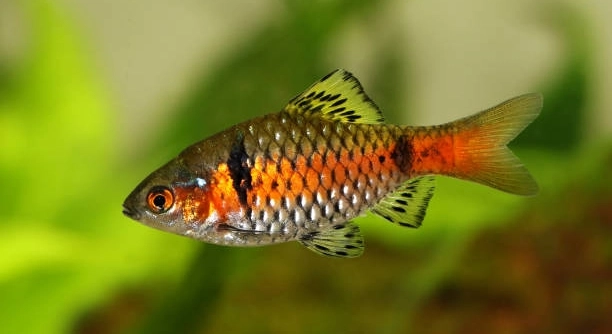
Adding new Rosy Barbs to your aquarium requires careful preparation to ensure a healthy environment. These colorful fish bring life to your tank, but certain checks are important before introducing them. Proper steps help maintain balance and prevent stress.
Before adding Rosy Barbs, verify water parameters such as temperature, pH, and hardness to match their natural habitat. Check for tank size, compatibility with existing fish, and quarantine new arrivals to avoid disease introduction. Proper acclimation is essential to reduce shock.
Following these steps will support a smooth transition for your new fish and protect your existing aquatic community. Understanding these basics promotes long-term tank health and fish wellbeing.
Checking Water Quality Before Introducing Rosy Barbs
Water quality is one of the most important factors to consider before adding new Rosy Barbs to your aquarium. They thrive best in water that is clean and stable. Testing the temperature, pH, and hardness of the water helps ensure it matches the conditions Rosy Barbs prefer. Ideally, the temperature should be between 64 and 72°F, with a pH level around 6.8 to 7.8. Sudden changes in water parameters can cause stress or illness to the fish. Regular water changes and good filtration are necessary to keep the environment healthy. Monitoring ammonia, nitrite, and nitrate levels is also essential, as harmful spikes can be dangerous for all tank inhabitants. Taking these steps helps maintain a safe habitat for your Rosy Barbs and the other fish living with them.
Maintaining stable water quality prevents many common health problems in Rosy Barbs.
Consistent testing and adjustment of the water prevent stress and support a thriving aquarium. When water conditions are stable, fish exhibit better color, active behavior, and overall health. Introducing new fish into well-prepared water allows them to adapt quickly and lowers the risk of disease outbreaks. A stable environment also encourages Rosy Barbs to school properly, enhancing the tank’s visual appeal. It’s important to give the aquarium time to stabilize after any water changes or new additions before introducing new fish. Patience and care in managing water quality provide a strong foundation for a successful and vibrant tank community.
Quarantine and Observation of New Rosy Barbs
Quarantining new Rosy Barbs helps protect your main tank from potential illnesses.
Isolating new fish in a separate tank for at least two weeks allows careful observation for any signs of disease or stress. This step helps prevent introducing parasites or infections to your established aquarium. During quarantine, keep water conditions consistent and monitor the fish’s behavior closely. Treat any health issues promptly if they arise. Once the new Rosy Barbs appear healthy and active, they can be safely moved to the main tank. This process adds a layer of protection and ensures the well-being of all your aquatic life.
Tank Size and Compatibility
Rosy Barbs need enough space to swim comfortably and avoid stress. A minimum of 20 gallons is recommended for a small group.
Providing ample space reduces territorial aggression and supports their active nature. They thrive best in groups of five or more, as schooling behavior helps them feel secure. When adding Rosy Barbs, consider their temperament; they are generally peaceful but can nip fins, so avoid slow-moving or long-finned species. Compatibility with existing fish is essential to maintain harmony. Proper stocking density and choosing tank mates with similar activity levels will create a balanced environment where all fish can coexist peacefully.
Careful selection of tank mates ensures Rosy Barbs integrate smoothly. Aggressive or overly passive fish may cause problems, so balance is key.
Acclimation Process
Slow acclimation prevents shock from sudden changes in water conditions. Introduce Rosy Barbs gradually to the new tank.
Start by floating the sealed bag containing the fish in the tank water for 15-20 minutes to equalize temperature. Then slowly mix small amounts of tank water into the bag every 10 minutes over an hour. This method allows the fish to adjust to the water chemistry gradually. Avoid pouring the transport water directly into the tank, as it may contain contaminants. After acclimation, gently release the fish to minimize stress and give them space to explore their new environment. Proper acclimation improves their chances of settling in well and staying healthy.
Monitoring Behavior After Introduction
Watch new Rosy Barbs closely for the first few days after adding them to the tank. Early signs of stress or illness need attention.
Healthy Rosy Barbs swim actively and interact with other fish. Any signs of lethargy, hiding, or fin damage should be noted immediately. Early detection helps prevent bigger problems.
Maintaining a Balanced Diet
Rosy Barbs require a varied diet to stay healthy. Provide high-quality flakes, pellets, and occasional live or frozen foods like brine shrimp or bloodworms.
A balanced diet supports vibrant colors and active behavior. Feeding small amounts twice daily prevents overfeeding and keeps water quality stable. Regularly changing food types ensures nutritional needs are met.
Keeping the Aquarium Clean
Regular tank maintenance keeps the environment safe and comfortable for Rosy Barbs.
Cleaning prevents harmful buildup and promotes healthy water conditions.
FAQ
How often should I test the water when adding new Rosy Barbs?
Testing water at least twice a week is recommended during the first few weeks after introducing new fish. This helps catch any changes in parameters like ammonia, nitrite, and nitrate early. Stable water conditions are essential to reduce stress and prevent illness. Consistent monitoring ensures you can take quick action if something goes wrong.
Can Rosy Barbs live with other fish?
Yes, Rosy Barbs can live with many other species if tank size and temperament match. Avoid slow-moving or long-finned fish, as Rosy Barbs may nip fins. Good companions include danios, barbs, and other peaceful, active fish. Always observe interactions after introduction to ensure harmony.
What is the best way to quarantine new Rosy Barbs?
Set up a separate tank with similar water conditions to your main aquarium. Keep new fish isolated for at least two weeks to monitor health and prevent disease spread. Feed normally and watch for signs of stress or illness. Treat any issues before moving fish to the main tank.
How long should the acclimation process take?
The acclimation process should last at least one hour. Gradually mix tank water into the transport bag every 10 minutes after floating it to equalize temperature. This slow adjustment minimizes shock from different water chemistry. Proper acclimation helps fish settle quickly and reduces stress.
What size tank is suitable for Rosy Barbs?
A minimum of 20 gallons is recommended for a small group of five Rosy Barbs. They are active swimmers and need space to school and avoid aggression. Larger tanks are better for more fish or mixed-species setups. Proper space supports healthy behavior and reduces stress.
How often should I feed Rosy Barbs?
Feed Rosy Barbs twice daily in small amounts they can consume within a few minutes. Overfeeding can lead to poor water quality and health problems. Provide a balanced diet including flakes, pellets, and occasional live or frozen foods like brine shrimp or bloodworms to keep them vibrant.
What signs indicate that Rosy Barbs are stressed?
Signs of stress include hiding, lethargy, loss of appetite, clamped fins, or erratic swimming. Fin damage from aggression or poor water conditions may also appear. Early detection is important to address water quality issues, improve diet, or adjust tank mates.
How often should I clean the aquarium after adding Rosy Barbs?
Perform regular partial water changes of 20-25% weekly to maintain water quality. Clean the substrate and filter as needed, but avoid over-cleaning, which can disturb beneficial bacteria. Keeping the tank clean supports healthy fish and reduces disease risks.
Are Rosy Barbs sensitive to changes in water parameters?
Rosy Barbs prefer stable water conditions and can be sensitive to sudden changes in temperature, pH, or hardness. Gradual adjustments and regular monitoring help prevent stress. Maintaining a consistent environment encourages good health and natural behavior.
What should I do if a Rosy Barb shows signs of illness?
Isolate the affected fish in a hospital tank if possible. Check water parameters and improve water quality immediately. Depending on symptoms, treatment with appropriate medications may be needed. Consult fish care guides or a professional for proper diagnosis and treatment. Early intervention improves chances of recovery.
Adding new Rosy Barbs to your aquarium can be a rewarding experience when done carefully. Taking the time to check important factors before introducing them helps create a healthy environment for all your fish. Paying attention to water quality, tank size, and fish compatibility are key steps that protect your aquatic community from stress and illness. These basic preparations also improve the chances that your Rosy Barbs will adapt quickly and thrive in their new home.
Proper quarantine and acclimation procedures play a crucial role in keeping your tank safe and your fish healthy. Quarantining new Rosy Barbs before adding them to the main aquarium helps catch potential illnesses early and prevents disease from spreading. Slowly acclimating the fish to your tank’s water conditions reduces shock and stress. These steps are often overlooked but are essential to a successful introduction. When done correctly, they promote the well-being of both new and existing fish, ensuring a peaceful and balanced tank environment.
Regular monitoring and maintenance support the long-term health of your Rosy Barbs and the entire aquarium. Observing fish behavior and water parameters allows you to catch problems before they become serious. Feeding a balanced diet and keeping the tank clean also contribute to strong, vibrant fish. Small, consistent efforts over time make a big difference in aquarium care. With patience and attention to detail, you can enjoy the beauty and activity that Rosy Barbs bring to your tank while maintaining a stable, healthy aquatic habitat.

Hello,
If you enjoy the content that we create, please consider saying a "Thank You!" by leaving a tip.
Every little bit helps us continue crafting quality advice that supports the health, happiness, and well-being of pets around the world, for pets of all shapes, sizes, and species.
We really appreciate the kindness and support that you show us!