
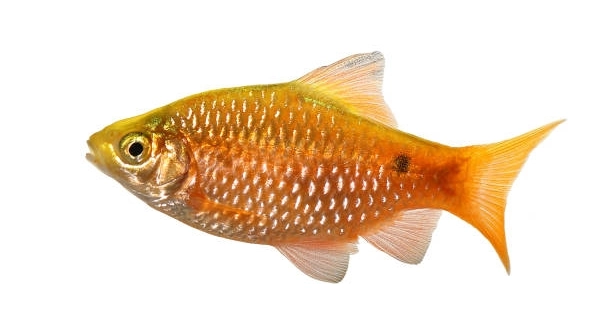
Rosy barbs are popular freshwater fish known for their bright colors and lively behavior. Many fishkeepers want to encourage natural activity without causing stress or harm. Finding the right balance in stimulating these fish is essential for their health.
To stimulate rosy barbs effectively, provide a varied diet, maintain clean water, offer plants for hiding, and avoid overcrowding. Gentle environmental enrichment and consistent care promote natural behaviors without causing overstimulation or aggression.
Understanding these basic care steps can improve your rosy barbs’ well-being. The following tips will help maintain a healthy and vibrant aquarium environment for your fish.
Creating a Comfortable Environment
Rosy barbs thrive in aquariums that mimic their natural habitat. Keeping the water clean and stable is one of the most important factors. Regular water changes and proper filtration ensure good water quality. Adding live plants provides hiding spots and reduces stress, making the fish feel secure. Avoid sharp decorations that could injure their delicate fins. Lighting should be moderate, not too bright, to keep them calm. Maintaining a temperature between 68 and 78 degrees Fahrenheit supports their health. Overcrowding can lead to aggression and stress, so keep the tank population balanced. A comfortable environment encourages natural swimming and social behaviors, which helps stimulate your rosy barbs without overwhelming them.
Keeping the environment stable and safe helps rosy barbs feel at ease. This reduces stress and encourages healthy activity.
Providing a proper setting benefits both the fish and the keeper. A well-maintained aquarium helps your rosy barbs display their natural colors and behavior. Taking time to arrange plants and decorations thoughtfully can make a big difference. Observing the fish interact with their surroundings shows they are comfortable and active. With the right balance, you can enjoy a lively and peaceful aquarium.
Feeding for Stimulation
Feeding plays a key role in keeping rosy barbs active and healthy. A varied diet helps prevent boredom and supports their nutrition.
Offering a mix of high-quality flakes, pellets, and occasional live or frozen foods like brine shrimp or bloodworms provides essential nutrients. Feeding small amounts several times a day encourages natural foraging behavior. Avoid overfeeding, as leftover food can pollute the water and harm your fish. Watching your rosy barbs chase and pick at their food is a sign they are engaged and stimulated. Feeding routines also create a predictable pattern that can reduce stress and encourage social interaction among the fish. By paying attention to their diet, you promote both health and activity without pushing them too hard.
Gentle Social Interaction
Rosy barbs are social fish that thrive in groups. Keeping at least six together reduces stress and encourages natural behaviors.
In groups, rosy barbs swim actively and establish a gentle hierarchy without aggressive fighting. Social interaction keeps them mentally stimulated and physically active. They respond to each other’s movements and engage in schooling behavior, which mimics their natural environment. Observing this interaction is rewarding and shows your fish are comfortable. Avoid mixing them with overly aggressive species to maintain a peaceful tank environment. Proper group size and species compatibility are essential to prevent stress and promote healthy social behavior.
A well-chosen group size supports rosy barbs’ natural tendencies. This helps prevent boredom and encourages exercise. Social interaction is a simple, effective way to keep your fish lively without causing harm or anxiety.
Environmental Enrichment
Adding elements like plants, rocks, and driftwood creates interest and hiding places for rosy barbs. This reduces stress and invites exploration.
Varied textures and shapes encourage fish to explore and swim more actively. Floating plants or gentle water flow can add movement and stimulation. Rearranging decorations occasionally changes the tank layout, offering new challenges that engage your fish’s curiosity. Providing safe hiding spots allows shy individuals to retreat when needed, which lowers stress. A diverse environment helps maintain balance by mimicking natural habitats, encouraging natural behaviors without overwhelming your rosy barbs. Thoughtful enrichment makes the aquarium a more dynamic and enjoyable place for your fish.
Environmental enrichment supports mental and physical health by reducing boredom. It allows rosy barbs to express their natural instincts and maintain a balanced lifestyle within the tank.
Avoid Overcrowding
Keeping too many fish in one tank causes stress and aggression among rosy barbs. Space is essential for healthy swimming and social behavior.
Overcrowding leads to poor water quality and reduces oxygen levels. This can weaken your fish’s immune system and cause illness. Providing enough room helps them thrive and behave naturally.
Regular Water Maintenance
Consistent water changes and filtration keep the aquarium clean and safe. Removing waste and toxins prevents stress and disease in rosy barbs.
Maintaining water parameters within ideal ranges supports their health and activity. Test water regularly for ammonia, nitrites, and nitrates to catch problems early. Clean filters to ensure proper function, but avoid disturbing beneficial bacteria too much. A clean tank encourages natural behavior and keeps your fish vibrant and active.
Monitoring Fish Behavior
Watch for changes in swimming patterns or appetite. Early signs of stress help prevent bigger health issues.
FAQ
How often should I feed my rosy barbs to keep them stimulated?
Feeding small amounts two to three times a day is ideal. This encourages natural foraging behavior without overfeeding. Frequent, controlled feeding keeps them active and interested in their environment. Avoid giving large meals at once, which can lead to leftover food and poor water quality. Variety in their diet also helps maintain their interest.
Can I mix rosy barbs with other fish species?
Yes, but choose peaceful tank mates that won’t stress or outcompete them. Avoid aggressive or overly territorial species. Rosy barbs do well with other medium-sized, peaceful fish like danios or tetras. Always monitor interactions when introducing new fish to ensure harmony in the tank.
What signs show my rosy barbs are stressed or overstimulated?
Look for erratic swimming, hiding more than usual, loss of appetite, or faded colors. Stress can also cause fin clamping or increased aggression. If these signs appear, check water quality, reduce tank crowding, and simplify the environment to help them recover.
Is it necessary to have live plants in the tank?
Live plants are beneficial but not absolutely required. They provide hiding spots, improve water quality, and mimic the natural habitat. If live plants are not possible, use artificial plants with smooth edges to avoid injury and still offer shelter.
How important is tank size for stimulating rosy barbs?
Tank size matters a lot. A minimum of 20 gallons is recommended for a small group. Larger tanks allow more room for swimming and social interaction, which supports natural behaviors. Overcrowding in smaller tanks leads to stress and health issues.
Can changing tank decorations help stimulate rosy barbs?
Yes, rearranging decorations occasionally introduces novelty, encouraging exploration. However, changes should be gradual to avoid stress. Providing a variety of hiding spots and open swimming areas keeps the tank engaging without overwhelming your fish.
What types of food best stimulate rosy barbs?
A mix of flakes, pellets, frozen, and live foods works best. Live foods like brine shrimp or bloodworms mimic natural prey, encouraging hunting behavior. Avoid feeding only one type of food to prevent boredom and nutritional gaps.
How does water temperature affect rosy barb activity?
Rosy barbs prefer temperatures between 68 and 78 degrees Fahrenheit. Staying within this range keeps their metabolism stable and supports active swimming. Temperatures too low or too high can cause lethargy or stress, reducing stimulation.
Should I use a tank heater for rosy barbs?
If your room temperature falls below 68 degrees, a heater is recommended. Stable temperature conditions prevent stress and help maintain consistent activity levels. Sudden temperature fluctuations can harm their health.
Can overcrowding ever be beneficial?
No, overcrowding usually causes stress, poor water quality, and aggressive behavior. It limits swimming space and can reduce the fish’s natural stimulation. Providing ample space supports a peaceful and active community.
How often should I test the water to keep rosy barbs healthy?
Testing once a week is sufficient for most tanks. Regular monitoring of ammonia, nitrite, nitrate, and pH helps catch issues early. Keeping water parameters stable supports both physical health and natural behavior.
What’s the best way to introduce new fish to a rosy barb tank?
Introduce new fish slowly by floating the bag in the tank to equalize temperature, then gradually mix tank water. This reduces stress and helps the new fish adjust. Quarantine new arrivals to prevent disease spread.
Are rosy barbs prone to any diseases that affect their behavior?
They can suffer from common freshwater illnesses like ich or fin rot, which may cause lethargy or erratic swimming. Maintaining good water quality and proper diet reduces disease risk. Prompt treatment is essential to restore normal behavior.
How can I encourage shy rosy barbs to be more active?
Provide plenty of plants and hiding spots to build confidence. Avoid sudden movements or loud noises near the tank. Feeding near their usual hiding spots gradually encourages them to come out and interact.
Does lighting affect rosy barb stimulation?
Moderate lighting is best. Too bright lights can cause stress, while dim lighting might reduce activity. A regular day-night cycle supports their natural rhythms and encourages normal behavior. Use timers for consistent lighting periods.
Can I train rosy barbs to recognize feeding times?
Yes, they can learn to associate certain cues, like tapping the tank or shaking food containers, with feeding. This routine creates anticipation and mental stimulation. Keep feeding times consistent to reinforce this behavior.
Final Thoughts
Taking care of rosy barbs involves balancing their needs without pushing them too far. These fish respond well to a stable environment that mimics their natural surroundings. Clean water, proper tank size, and appropriate temperature are the foundation for their health. When these basics are met, rosy barbs can thrive and show their natural, lively behaviors. Overdoing stimulation by overcrowding, overfeeding, or creating too much noise can cause stress and harm. Keeping a steady routine with gentle care supports their well-being and keeps them active in a healthy way.
Stimulating rosy barbs is not just about activity but also about mental and physical balance. Providing a varied diet, live or artificial plants, and enough space allows them to express their natural instincts. Social interaction among their group is also important, as they are schooling fish by nature. Watching them swim together calmly or exploring the tank is a sign they feel comfortable and stimulated just enough. Careful observation helps identify any signs of stress or overstimulation early. Making adjustments to their environment or routine based on these observations can prevent problems before they grow.
Ultimately, keeping rosy barbs healthy and engaged requires attention to detail and consistency. Simple steps like regular water changes, proper feeding schedules, and thoughtful decoration choices go a long way. It’s better to make gradual changes rather than sudden ones to avoid upsetting the balance. The goal is to create a peaceful, natural habitat that encourages your fish to be active and happy without overwhelming them. By understanding their needs and providing the right conditions, you can enjoy a beautiful and vibrant aquarium with rosy barbs that live well and display their full colors.

Hello,
If you enjoy the content that we create, please consider saying a "Thank You!" by leaving a tip.
Every little bit helps us continue crafting quality advice that supports the health, happiness, and well-being of pets around the world, for pets of all shapes, sizes, and species.
We really appreciate the kindness and support that you show us!