
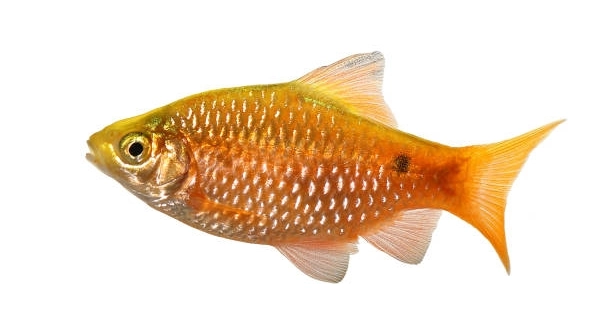
Are your rosy barbs swimming with their mouths open more than usual? This behavior can be concerning for fish owners who want to ensure their pets remain healthy and comfortable. Understanding the reasons behind this action can help maintain a thriving aquarium environment.
Rosy barbs swim with mouths open primarily due to oxygen deficiency in the water or possible irritation caused by poor water quality. This behavior allows increased water flow over their gills to improve oxygen intake and indicates the need for immediate water parameter assessment.
Recognizing the cause of this behavior will help you take proper steps to improve your fish’s health and aquarium conditions effectively.
Common Causes of Mouth-Opening Behavior in Rosy Barbs
Rosy barbs often open their mouths while swimming due to low oxygen levels in their tank. When water does not contain enough oxygen, fish try to get more by increasing water flow over their gills, which causes them to swim with open mouths. Poor water quality, such as high levels of ammonia, nitrites, or nitrates, can also irritate their gills and make breathing difficult. Another factor may be an improper tank setup, including overcrowding or lack of plants and aeration. Sometimes, diseases or parasites affecting the gills cause discomfort and lead to this behavior. Keeping the tank clean, ensuring proper filtration, and maintaining appropriate stocking levels can help prevent these issues. Regular water tests are essential to catch problems early before fish show signs of stress.
Observing open-mouth swimming should prompt an immediate check of water quality and tank conditions. Acting quickly is important to avoid serious health problems.
Maintaining a balanced environment in the aquarium supports the health and well-being of rosy barbs. Proper aeration with air stones or powerheads increases oxygen levels, reducing the need for fish to struggle. Plants can also improve oxygenation naturally during the day. Avoid overfeeding, which leads to waste buildup and worsens water quality. Regular partial water changes help keep toxin levels low. Monitoring water temperature is important too, as warmer water holds less oxygen. If parasites or diseases are suspected, appropriate treatment should be applied after proper diagnosis. Addressing these factors early ensures that rosy barbs remain active and comfortable, showing normal behavior instead of open-mouth swimming.
How to Improve Oxygen Levels in Your Tank
Adding an air pump or increasing water movement helps raise oxygen levels quickly. Proper aeration ensures healthier fish.
To improve oxygen levels, installing an air pump or increasing surface agitation is effective. Surface agitation allows oxygen to enter the water more easily by breaking the surface tension. Using air stones, powerheads, or filters that create water movement can help maintain adequate oxygen concentration. Live plants also contribute oxygen during the day through photosynthesis, but care must be taken as they consume oxygen at night. Avoid overcrowding by limiting the number of fish in your tank, as too many fish can quickly deplete oxygen. Maintaining cooler water temperatures within species-specific ranges helps, since warmer water holds less dissolved oxygen. Regularly clean and maintain filtration equipment to ensure proper function. These steps help create a stable environment, preventing oxygen shortages that stress your rosy barbs and cause mouth-opening behavior.
Signs of Poor Water Quality Affecting Rosy Barbs
Poor water quality often causes fish to open their mouths while swimming. High ammonia or nitrite levels can irritate their gills, making breathing difficult and uncomfortable.
Testing the water regularly is key to spotting dangerous chemical levels early. Ammonia and nitrites should always be at zero, while nitrates must stay below 20 ppm. Cloudy or foul-smelling water usually signals waste buildup. Frequent water changes help control toxins and improve clarity. Using a reliable test kit allows you to track water parameters and act quickly if they become harmful. Proper filtration is also essential to remove organic waste and keep water safe for fish.
Apart from chemical imbalances, other signs of poor water quality include lethargy, loss of appetite, and faded colors. Fish may also gasp near the surface or show clamped fins. Immediate water changes and tank cleaning can reduce stress and help rosy barbs recover. Maintaining clean water improves overall health and prevents long-term damage to your fish.
Treating Gill Irritation and Diseases
Gill irritation can cause mouth-opening behavior due to discomfort or difficulty breathing. Treating it early prevents worsening conditions.
Gill diseases or parasites cause swelling and irritation, which force fish to open their mouths frequently. Symptoms may include rapid gill movement, scratching against objects, or visible damage on the gills. Identifying the exact cause requires close observation or professional advice. Treatment often involves medicated baths or adding specific medications to the tank water, depending on the diagnosis. Ensuring optimal water conditions during treatment supports recovery and reduces stress. Quarantining affected fish prevents spread to healthy tank mates. Alongside medication, maintaining good hygiene and avoiding overstocking help reduce disease risk. Quick response to gill problems is essential to prevent permanent damage or death.
Overcrowding and Its Impact on Rosy Barbs
Overcrowding reduces oxygen levels and increases waste buildup in the tank. This can make rosy barbs swim with their mouths open as they struggle to breathe.
Too many fish in a small space also cause stress, which weakens their immune system and makes them more prone to illness.
Proper Tank Size for Rosy Barbs
Rosy barbs need at least 20 gallons for a small group to thrive. This space helps maintain good water quality and proper oxygen levels. Keeping fewer fish per gallon reduces competition for oxygen and prevents stress.
Providing enough room allows natural behavior and healthier fish, reducing signs of distress like mouth-opening swimming.
Feeding Habits and Mouth-Opening
Overfeeding can cause excess waste, reducing water quality and oxygen levels. Feeding moderate amounts once or twice daily is best to avoid this problem.
Feeding a balanced diet helps maintain rosy barbs’ health and prevents conditions that may lead to gill irritation or other breathing difficulties.
Why are my rosy barbs swimming with their mouths open?
Rosy barbs often swim with their mouths open when they have difficulty breathing. This behavior usually signals low oxygen levels in the tank or irritation in their gills caused by poor water quality. Addressing these issues quickly is important to prevent stress or illness.
Can low oxygen levels in the tank cause mouth-opening behavior?
Yes, low oxygen is a common reason for this behavior. When oxygen is scarce, rosy barbs open their mouths wider to increase water flow over their gills and absorb more oxygen. Improving aeration and water circulation helps solve this problem.
How can I increase oxygen levels in my aquarium?
Adding an air pump or air stones creates bubbles that improve oxygen exchange at the water’s surface. Increasing water movement with filters or powerheads also helps oxygenate the tank. Live plants contribute oxygen during daylight hours but should not be the only source.
Does overcrowding affect rosy barbs’ breathing?
Overcrowding raises waste levels and lowers oxygen, making it harder for fish to breathe. Keeping an appropriate number of fish for your tank size is essential. A 20-gallon tank is suitable for a small group, ensuring enough space and better water quality.
Can poor water quality irritate rosy barbs’ gills?
Yes, high levels of ammonia, nitrites, or nitrates can irritate gills, causing fish to gasp or swim with open mouths. Regular water testing and partial water changes help maintain safe chemical levels and prevent irritation.
What are signs of gill disease or parasites?
Rapid gill movement, scratching, inflamed or damaged gills, and lethargy may indicate gill disease or parasites. These conditions cause discomfort, leading to mouth-opening behavior. Early diagnosis and treatment are important for recovery.
How do I treat gill diseases or parasites?
Treatment varies depending on the cause but often involves medicated baths or adding medication to the tank. Quarantining affected fish prevents spread. Maintaining clean water and reducing stress during treatment supports healing.
Could feeding habits affect my rosy barbs’ breathing?
Overfeeding leads to excess waste and poorer water quality, which reduces oxygen availability. Feeding small portions once or twice daily helps maintain water quality and supports healthy gill function.
Are temperature changes linked to mouth-opening behavior?
Yes, higher temperatures reduce the amount of oxygen water can hold. Keeping water at species-appropriate temperatures helps maintain oxygen levels. Avoid sudden temperature fluctuations to reduce stress on your fish.
Is it normal for rosy barbs to open their mouths occasionally?
Occasional mouth opening can be normal, especially during feeding or quick breaths. However, persistent or frequent mouth opening is a warning sign of possible problems with water quality or health.
How often should I test my aquarium water?
Testing water weekly or biweekly is recommended to catch harmful changes early. Use test kits to check ammonia, nitrites, nitrates, and pH. Regular testing allows timely intervention to protect your fish.
Can live plants improve oxygen levels?
Live plants release oxygen during photosynthesis in daylight, which can help oxygenate the tank. However, they consume oxygen at night, so relying solely on plants is not enough. Combining plants with aeration devices is best.
What should I do if my fish continue to open their mouths after improving water quality?
If behavior persists despite good water conditions, consider gill disease or parasites. Observe for other symptoms and consult a veterinarian or aquarium specialist for diagnosis and treatment options.
Does tank maintenance affect my rosy barbs’ breathing?
Regular tank cleaning and filter maintenance prevent waste buildup and maintain oxygen levels. Neglecting these tasks can lead to poor water quality, stressing fish and causing breathing difficulties.
Can stress cause rosy barbs to swim with open mouths?
Stress from overcrowding, poor water quality, or aggressive tank mates weakens fish and may cause abnormal breathing. Minimizing stress by providing a suitable environment promotes normal behavior.
How important is tank size for rosy barbs’ health?
Tank size is crucial. Too small a tank means less oxygen and more waste accumulation, which can harm fish. Providing enough space helps maintain good water quality and reduces stress, leading to healthier fish.
Is it safe to add medications to an aquarium with live plants?
Some medications can harm plants or beneficial bacteria. Always check the medication instructions before use and consider removing sensitive plants temporarily if necessary.
What role does filtration play in preventing mouth-opening behavior?
Effective filtration removes toxins and improves oxygen circulation. A clean and well-maintained filter helps maintain water quality, reducing the chances of gill irritation and breathing problems.
Are certain fish species more sensitive to oxygen levels than rosy barbs?
Yes, some species require higher oxygen levels and are more sensitive to poor water conditions. Understanding your fish’s needs helps create a suitable environment that prevents breathing issues.
How can I reduce ammonia and nitrites in my tank?
Regular partial water changes and avoiding overfeeding control ammonia and nitrites. Beneficial bacteria in the filter also break down these compounds, so maintaining filter health is essential.
When should I seek professional help for my fish’s breathing issues?
If mouth-opening behavior continues after improving tank conditions, or if your fish show signs of illness like lethargy, discoloration, or unusual behavior, consulting a vet or aquarium expert is recommended for proper diagnosis and treatment.
Understanding why your rosy barbs swim with their mouths open is important for keeping them healthy. This behavior often indicates an issue with oxygen levels or water quality in the tank. When fish struggle to breathe properly, they open their mouths to take in more water and extract oxygen. This is a clear sign that something in their environment needs attention. Regular checks of water parameters like ammonia, nitrites, nitrates, and oxygen levels help prevent problems before they become serious. Taking quick action when you notice this behavior can make a big difference in the well-being of your fish.
Maintaining proper tank conditions is essential to avoid stress and illness in rosy barbs. Overcrowding, poor filtration, and infrequent water changes all contribute to lower oxygen levels and higher toxin buildup. These factors make it harder for your fish to breathe and stay healthy. Adding aeration devices like air pumps or powerheads can improve oxygen circulation. Live plants are also helpful, but they should be part of a balanced system that includes good filtration and regular maintenance. Feeding your fish the right amount of food and avoiding overfeeding also supports water quality and fish health. When the environment is stable and clean, rosy barbs are less likely to show signs of stress, such as swimming with their mouths open.
If you notice persistent mouth-opening behavior even after improving water quality, consider other causes like gill disease or parasites. These health issues require proper diagnosis and treatment to prevent long-term damage. Quarantining sick fish and following medication instructions carefully are important steps. Maintaining a clean tank and providing the right environment reduces the chance of disease spreading. Overall, observing your rosy barbs closely and responding to any changes in their behavior helps ensure they remain active and healthy. Proper care and attention create a comfortable home where your fish can thrive without struggle.

Hello,
If you enjoy the content that we create, please consider saying a "Thank You!" by leaving a tip.
Every little bit helps us continue crafting quality advice that supports the health, happiness, and well-being of pets around the world, for pets of all shapes, sizes, and species.
We really appreciate the kindness and support that you show us!