
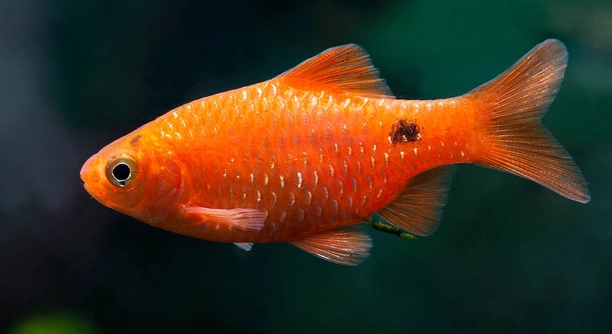
Rosy barbs are colorful freshwater fish that bring life to home aquariums. Watching their behavior after feeding can reveal much about their health and well-being. Observing these patterns helps owners provide better care for their fish.
After eating too much, rosy barbs typically slow their swimming, rest near the tank bottom, and reduce their activity levels. They may also hide more often and show signs of bloating. These behaviors indicate their digestive system is working to process the excess food.
Understanding these common reactions can improve how you manage your fish’s diet and environment. Proper feeding habits ensure your rosy barbs stay healthy and active in their aquatic home.
How Rosy Barbs Slow Down After Overeating
When rosy barbs eat too much, their usual energetic swimming slows noticeably. They often become less active, drifting gently instead of darting around the tank. This change happens because their bodies focus energy on digestion rather than movement. The excess food can cause their stomachs to swell, making swimming more difficult. Some may rest near the tank’s bottom or hide behind plants and decorations. This behavior is a natural response to avoid stress and conserve energy while digesting. Overfeeding can also lead to uncomfortable bloating and potential health problems if it happens regularly. Watching how your fish behave after feeding can help you identify when you might be giving them too much. Adjusting portion sizes and feeding frequency supports their overall well-being. Careful feeding routines help maintain rosy barbs’ active, healthy appearance and reduce the risk of digestive issues over time.
Slowing down after eating is a clear signal your rosy barbs need a break from extra food.
Maintaining a balanced feeding schedule is key to avoiding these slowdowns. Overfeeding can cause serious digestive distress, so it’s important to monitor your fish closely. When you notice your barbs swimming less or hiding more than usual, it’s a sign to reduce the food amount. Providing small, measured portions ensures they get enough nutrients without overwhelming their system. Feeding once or twice daily with only what they can eat in a few minutes keeps them healthy. Additionally, a varied diet including high-quality flakes, pellets, and occasional live or frozen foods supports better digestion and nutrition. Consistency in feeding habits helps keep rosy barbs energetic and lively, improving their lifespan and tank harmony.
Resting Behavior After Eating Too Much
After consuming too much food, rosy barbs tend to rest more frequently, especially near the tank’s bottom or behind decorations. This resting helps them conserve energy as digestion requires a lot of metabolic effort. During this time, they are less responsive and may appear withdrawn, which is normal and temporary if feeding returns to proper levels. Excessive food intake can make them uncomfortable and slow their movements. It is important to ensure your tank environment offers safe resting spots, like plants or rocks, where they can feel secure. Observing these resting behaviors helps fish owners understand their pets’ needs and avoid overfeeding in the future, maintaining a healthy, stress-free habitat.
Increased Hiding After Overeating
Rosy barbs often hide more after eating too much. They seek quiet, sheltered places in the tank to rest and recover from discomfort. Hiding reduces stress and protects them during this vulnerable time.
Hiding behavior is common when rosy barbs feel bloated or uneasy after a large meal. This instinctive response helps them avoid potential threats, as their movement slows and they are less able to escape predators. In a home aquarium, hiding behind plants or decorations provides a safe space where they can digest without disturbance. Frequent hiding after feeding can signal overfeeding or digestive issues. Monitoring how often and how long your barbs hide can help you adjust feeding amounts to keep them comfortable and healthy. Providing plenty of hiding spots in the tank supports this natural behavior and reduces stress.
The amount of hiding can vary based on the individual fish and tank setup. Some rosy barbs may hide briefly, while others stay out of sight for longer periods. This variation depends on their comfort level and how much they have eaten. Ensuring clean water and good tank conditions reduces stress, which helps reduce excessive hiding. Regular observation of your barbs’ behavior after feeding allows you to recognize patterns and improve care. Adjusting diet and tank environment ensures your rosy barbs feel secure and recover quickly from occasional overeating.
Signs of Bloating in Rosy Barbs
Bloating is a visible sign that rosy barbs have eaten too much. Their bodies appear swollen or distended, especially around the stomach area. This condition can affect swimming and overall health.
Bloating occurs when excess food or poor digestion causes internal pressure in the fish’s abdomen. It often results from overfeeding or feeding inappropriate foods that are difficult to digest. Swollen bellies may make it hard for rosy barbs to swim normally, leading to lethargy and hiding. Prolonged bloating can lead to more serious health problems such as swim bladder disorders or infections. Preventing bloating requires careful portion control and feeding high-quality, digestible food. Observing your fish closely after feeding helps identify early bloating signs so you can adjust care quickly. Proper tank maintenance and water quality also support better digestion and reduce bloating risk.
Reduced Appetite Following Overeating
Rosy barbs often eat less after a large meal. Their appetite decreases as their digestive system works to process the extra food. This natural pause helps prevent further strain on their bodies.
This reduced appetite can last several hours or even a day. Feeding during this time should be minimal to avoid digestive problems. Watching feeding habits closely helps keep portions appropriate.
Changes in Swimming Patterns
After overeating, rosy barbs may swim more slowly and less frequently. Their movements become less agile, reflecting the discomfort and extra weight they carry. Swimming near the surface or bottom is common as they adjust to fullness.
Increased Resting Periods
Rosy barbs tend to rest more frequently after eating too much. This rest allows their bodies to focus energy on digestion, which can be taxing. Resting also helps reduce stress caused by discomfort.
How can I tell if my rosy barbs have overeaten?
Signs of overeating in rosy barbs include slowed swimming, hiding more than usual, and resting near the tank bottom. You might also notice their stomachs appearing swollen or bloated. Reduced appetite after feeding and less frequent movement are other clear indicators. Watching their behavior closely after meals can help you spot these changes early.
What should I do if my rosy barbs eat too much?
If you notice signs of overeating, reduce the amount of food given during the next feeding. Allow your fish time to digest by feeding smaller portions less frequently. Remove any leftover food promptly to prevent water quality issues. Monitor their behavior closely to ensure they return to normal activity levels.
Can overeating harm my rosy barbs?
Yes, overeating can lead to digestive problems such as bloating and constipation. Long-term overfeeding may cause swim bladder disorders, which affect swimming ability. Excess food can also pollute the water, increasing stress and the risk of disease. Maintaining a proper feeding schedule is essential to avoid these problems.
How much should I feed my rosy barbs?
Feed only what your rosy barbs can consume in about two to three minutes, once or twice daily. Overfeeding is common when giving too much at once or feeding too often. Small, frequent meals with balanced nutrition support better digestion and health.
Are there certain foods that cause more problems if overeaten?
Yes, foods high in protein or that expand in water, such as freeze-dried or frozen foods, can cause bloating if overeaten. Flake or pellet foods formulated specifically for tropical fish are easier to digest and safer for regular feeding. Avoid feeding large quantities of rich or unfamiliar foods.
How can I help my rosy barbs recover after overeating?
Give them a fasting period of 24 hours to allow digestion to clear. During this time, ensure water quality remains high with good filtration and regular water changes. Providing a clean, stress-free environment helps their recovery. Feeding smaller amounts after fasting reduces the chance of repeated overeating.
Will my rosy barbs lose weight after overeating?
If managed properly, rosy barbs will return to a healthy weight as their digestion normalizes. Consistent feeding practices and a balanced diet prevent unhealthy weight gain. Over time, their activity levels and appetite should stabilize, showing a return to normal health.
Is hiding behavior always related to overeating?
Not always. Rosy barbs may hide for many reasons including stress, illness, or environmental changes. However, increased hiding after feeding can be a sign they are uncomfortable or bloated from eating too much. Observing other behaviors helps determine the cause.
How can I prevent my rosy barbs from overeating?
Feed measured portions and avoid free-feeding. Stick to a regular schedule with no more than two meals daily. Remove uneaten food promptly. Providing a varied diet tailored to their needs helps prevent excessive hunger and overeating.
What tank conditions support healthy digestion in rosy barbs?
Maintaining clean, well-oxygenated water with stable temperature supports digestion. Avoid overcrowding to reduce stress. Regular water changes and proper filtration remove excess waste and toxins that can upset digestive health. A balanced diet complements these conditions.
Can stress cause changes similar to overeating in rosy barbs?
Stress can cause reduced activity, hiding, and loss of appetite, which overlap with overeating signs. However, stress typically does not cause bloating. Identifying stress factors such as poor water quality or aggressive tank mates is important to address these behaviors properly.
Is fasting safe for rosy barbs?
Yes, occasional fasting for 24 hours is safe and can help clear their digestive systems. Fasting should be used occasionally, not daily, and always followed by smaller meals. It is an effective way to manage digestion and prevent problems related to overeating.
How do I know if bloating is serious?
If bloating persists beyond a day or is accompanied by difficulty swimming, gasping at the surface, or unusual spots, it may be serious. Consult with an aquatic veterinarian or experienced fish keeper for advice. Early intervention improves the chances of recovery.
Can changes in swimming indicate health issues beyond overeating?
Yes, changes in swimming can also indicate infections, swim bladder disease, or injury. If slow swimming continues despite proper feeding, observe for other signs like discoloration or unusual behavior. Proper diagnosis is important for effective treatment.
Are there specific signs that show rosy barbs are digesting food well?
Active swimming, normal appetite, and bright coloration indicate healthy digestion. Fish that return quickly to normal behavior after feeding are processing their food properly. Maintaining good water quality and proper feeding habits supports this condition consistently.
Final thoughts about caring for rosy barbs after they have eaten too much focus on understanding their natural behaviors. Overeating affects these fish in ways that are often easy to observe. They slow down, rest more, hide, and sometimes appear bloated. These signs are the body’s way of managing extra food and protecting itself from stress. Recognizing these behaviors is important for any fish owner because it helps prevent serious health problems. Being aware of how rosy barbs act after a big meal allows you to adjust feeding habits and create a better environment for them.
Proper feeding is key to keeping rosy barbs healthy and active. Feeding small amounts once or twice a day, enough for them to eat within a few minutes, prevents overeating. It is also important to use high-quality fish food designed for their digestive needs. Overfeeding can cause bloating, swim bladder problems, and poor water quality. The fish tank environment plays a role too. Clean water, proper filtration, and plenty of hiding places help reduce stress and support digestion. When you see your rosy barbs slowing down or hiding more after eating, it is usually a sign to reduce their food portions and give them time to recover.
Taking care of rosy barbs requires patience and attention to their behavior. Watching how they swim, eat, and rest will give you clues about their health. If they show signs of discomfort, such as swelling or unusual hiding, adjusting feeding and tank conditions usually helps. Regular monitoring and small changes can prevent bigger problems from developing. With consistent care and good feeding practices, your rosy barbs will stay lively and healthy. Understanding their needs after overeating strengthens the connection between you and your fish, leading to a happier aquarium for both.

Hello,
If you enjoy the content that we create, please consider saying a "Thank You!" by leaving a tip.
Every little bit helps us continue crafting quality advice that supports the health, happiness, and well-being of pets around the world, for pets of all shapes, sizes, and species.
We really appreciate the kindness and support that you show us!