
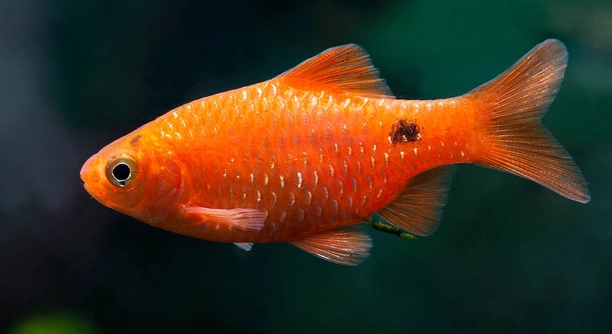
Rosy barbs are popular freshwater fish known for their bright colors and active behavior. Many aquarium keepers wonder if these fish can recognize when a tankmate is unwell. Understanding their social cues may help maintain a healthy aquarium environment.
Rosy barbs have limited ability to detect illness in tankmates through changes in behavior or appearance. While they may notice unusual movements or lethargy, their responses are generally subtle and not reliable indicators of sickness.
Knowing how rosy barbs interact with sick fish can help improve tank care and reduce disease spread among your aquatic pets.
How Rosy Barbs React to Sick Tankmates
Rosy barbs are generally peaceful fish that interact mostly through movement and social cues. When a tankmate becomes sick, their behavior may change, becoming sluggish or isolating themselves. Rosy barbs might notice these changes but usually do not respond aggressively or show strong signs of distress. They may swim closer out of curiosity or keep a distance, depending on the situation. Unlike some species that react defensively or avoid sick fish entirely, rosy barbs tend to maintain a neutral approach. This behavior makes it harder for aquarium owners to rely on their reactions as a clear warning system for disease. Observing rosy barbs alongside other fish can give subtle clues, but it is important to monitor water quality and health indicators directly to catch illness early. Keeping a close eye on all fish is essential for maintaining a balanced and healthy tank environment.
Rosy barbs rarely isolate sick fish but may change their swimming patterns slightly in response to unusual behavior.
Careful observation is necessary because rosy barbs’ subtle reactions might not clearly indicate the health status of tankmates. Owners should use other methods to detect illness early and prevent disease spread. Combining visual checks with water tests and quarantine procedures is the best approach. This ensures timely treatment and reduces stress for all fish. Understanding the limits of rosy barbs’ perception helps set realistic expectations for tank monitoring. By being proactive, aquarium keepers can maintain a healthier and more stable aquatic environment.
Signs of Illness Rosy Barbs May Notice
Rosy barbs can pick up on changes like slow movement or lack of appetite in other fish, but their response is minimal.
Fish that are sick often show visible signs such as clamped fins, discoloration, or unusual swimming patterns. Rosy barbs may observe these changes but generally do not act to avoid or assist the affected fish. Their social behavior remains mostly consistent, although they might become less active if the tank environment feels unstable. This lack of strong reaction means owners should not depend on rosy barbs to signal sickness reliably. Instead, watching for direct symptoms in all tank inhabitants is crucial. Keeping the tank clean and regularly checking for signs like spots, swelling, or erratic swimming is a better method to ensure fish health. Treating any illness quickly prevents outbreaks and keeps all fish, including rosy barbs, safe. Establishing a routine of inspection and maintenance is key to a thriving aquarium.
Preventing Illness in a Rosy Barb Community
Maintaining clean water is the most effective way to prevent illness in rosy barb tanks. Regular water changes and monitoring water parameters reduce stress and disease risks.
Stress weakens fish immune systems, making them more prone to sickness. Avoid overcrowding and provide hiding spots to create a comfortable environment. Feeding a balanced diet supports overall health and resilience. Quarantining new fish before introducing them to the tank helps prevent the spread of infections. A stable environment with consistent temperature and pH also contributes to keeping fish healthy.
Observing fish daily for any early signs of disease allows for quick intervention. Prompt treatment improves recovery chances and protects the whole community. Taking these steps creates a safe and thriving habitat for rosy barbs and their tankmates.
What to Do if You Suspect a Fish is Sick
Isolating the sick fish immediately helps stop illness from spreading to healthy tankmates. Use a separate quarantine tank for treatment.
Prepare a quarantine tank with similar water conditions to the main tank to reduce stress on the sick fish. Use medication recommended for the specific disease and follow dosage instructions carefully. Keep the quarantine tank clean and monitor water quality closely during treatment. Avoid adding any new fish to the main tank until the sick fish fully recovers.
Record symptoms and treatment progress to inform future care decisions. Consulting a vet or experienced aquarist may be necessary for difficult cases. Early and proper care increases the likelihood of full recovery and protects the entire tank.
Common Diseases Affecting Rosy Barbs
Rosy barbs are susceptible to common freshwater fish diseases like ich, fin rot, and fungal infections. Early detection is important for successful treatment.
Poor water quality and stress increase the risk of illness. Maintaining clean water and a stable environment helps prevent these diseases.
Recognizing Behavioral Changes in Rosy Barbs
Behavioral changes such as lethargy, loss of appetite, or erratic swimming can indicate health problems. Monitoring these signs daily helps catch issues early before they worsen.
The Role of Tankmates in Fish Health
Tankmates can influence the health of rosy barbs by either spreading disease or causing stress through aggressive behavior. Choosing compatible species reduces these risks.
Monitoring Water Quality for Health
Regular testing of ammonia, nitrite, nitrate, and pH levels is essential to ensure a healthy environment. Proper filtration and water changes support stable conditions.
Can rosy barbs really tell if a tankmate is sick?
Rosy barbs have some ability to notice changes in their tankmates, such as slow movement or hiding. However, their recognition of illness is limited and not reliable. They may react slightly by swimming closer or avoiding the sick fish, but they do not actively signal or respond in a way that clearly indicates sickness. Their behavior alone should not be used as the main method to detect illness in an aquarium.
What are the common signs of illness in rosy barbs and other fish?
Common signs include clamped fins, faded colors, lethargy, loss of appetite, erratic swimming, spots or lesions on the body, and abnormal breathing. These signs can be subtle at first, so regular observation is important. Sick fish may also isolate themselves or appear stressed. Early detection depends on noticing these changes before the condition worsens.
How should I isolate a sick fish in my tank?
Use a separate quarantine tank with similar water conditions to the main aquarium. This reduces stress on the sick fish and helps prevent disease spread. Treat the fish according to the diagnosis, following medication instructions carefully. Maintain water quality by performing regular partial water changes and monitoring parameters closely during treatment.
Can stress cause rosy barbs to become sick?
Yes, stress is a major factor that weakens fish immune systems. Causes of stress include overcrowding, poor water quality, aggressive tankmates, and sudden changes in environment. Reducing stress by maintaining stable water conditions and providing hiding spots helps keep rosy barbs healthy and less prone to illness.
What water conditions are best for keeping rosy barbs healthy?
Rosy barbs thrive in water temperatures between 64°F and 72°F (18°C to 22°C), with a pH level around 6.5 to 7.5. Regular testing to ensure low ammonia, nitrite, and nitrate levels is essential. Clean water with proper filtration and routine water changes creates a stable and healthy environment.
Are there tankmates that can help spot illness in rosy barbs?
No specific tankmate reliably alerts owners to illness in rosy barbs. While some species are more sensitive to changes in the environment, relying on other fish to detect sickness is not recommended. Owners should regularly inspect all fish and maintain good tank conditions to catch illness early.
How often should I check my fish for signs of illness?
Daily observation is best. Spend a few minutes watching your fish’s behavior and appearance each day. Early signs of sickness can be subtle and easy to miss with infrequent checks. Consistent monitoring allows for quicker response and better chances of successful treatment.
What should I do if I notice a fish acting differently but I’m unsure if it is sick?
Isolate the fish in a quarantine tank if possible. Continue to observe its behavior and physical condition. Test the water parameters to rule out environmental issues. If symptoms persist or worsen, consider consulting an experienced aquarist or veterinarian for advice and appropriate treatment.
Can rosy barbs recover fully from common illnesses?
With prompt and proper treatment, rosy barbs can recover fully from many common illnesses such as ich or fin rot. Recovery depends on the severity of the disease, water quality, and care provided. Early intervention improves the chances of a full recovery and minimizes stress on the fish.
How can I prevent diseases in my rosy barb tank?
Prevent disease by maintaining clean water, avoiding overcrowding, and quarantining new fish before adding them to the main tank. Feed a balanced diet and provide a stable environment with proper temperature and pH. Regular tank maintenance and observation reduce the risk of outbreaks and keep all fish healthy.
Are there natural behaviors that indicate a healthy rosy barb?
Healthy rosy barbs are active swimmers with bright coloration. They interact socially without signs of aggression or stress. Regular feeding, clear eyes, and smooth fins are positive indicators. Any drastic change from these behaviors or appearance should be checked carefully for possible health issues.
What medications are safe to use with rosy barbs?
Most common freshwater fish medications for parasites, bacteria, and fungi are safe if used according to instructions. Always research the specific disease and treatment before administering any medicine. Avoid overdosing and remove activated carbon from filters during treatment to prevent medication removal.
Can poor diet contribute to rosy barb illness?
Yes, an unbalanced or low-quality diet weakens immune systems and increases susceptibility to disease. Feeding a varied diet of high-quality flakes, pellets, and occasional live or frozen foods ensures proper nutrition. Avoid overfeeding, which can degrade water quality and harm fish health.
How long should I quarantine new fish before adding them to the main tank?
A quarantine period of two to four weeks is recommended. This allows time to observe any signs of illness and treat problems without risking the main tank population. Quarantining also reduces the chances of introducing parasites or infections to an established aquarium.
Rosy barbs are lively and colorful fish that many aquarium keepers enjoy. While they may notice some changes in their tankmates’ behavior when illness occurs, their ability to clearly recognize sickness is limited. Rosy barbs do not show strong reactions to a sick fish, which means relying on their behavior alone is not enough to detect health problems in the tank. Owners should observe all fish carefully and regularly to catch any signs of illness early. Paying attention to common symptoms and changes in swimming or eating habits helps protect the entire aquarium community.
Maintaining good water quality and reducing stress are the best ways to keep rosy barbs and their tankmates healthy. Clean water with stable temperature and pH lowers the chance of disease. Providing enough space and hiding places reduces stress and aggressive behavior among fish. It is also important to quarantine new fish before introducing them to an established tank. This helps prevent the spread of infections. Feeding a balanced diet supports strong immune systems, making fish less vulnerable to illness. When a fish does become sick, isolating it quickly and treating it properly can help stop the disease from affecting others.
Regular monitoring and tank maintenance are key to a successful rosy barb aquarium. Daily observation allows for early detection of subtle health issues. Using water tests to check ammonia, nitrite, nitrate, and pH ensures the environment stays safe. Understanding the limits of rosy barbs’ reactions to sickness sets realistic expectations for care. By focusing on prevention, proper quarantine, and careful treatment, aquarium keepers can maintain a healthy and vibrant tank. Taking these steps creates a safer space where rosy barbs and their tankmates can thrive.

Hello,
If you enjoy the content that we create, please consider saying a "Thank You!" by leaving a tip.
Every little bit helps us continue crafting quality advice that supports the health, happiness, and well-being of pets around the world, for pets of all shapes, sizes, and species.
We really appreciate the kindness and support that you show us!