
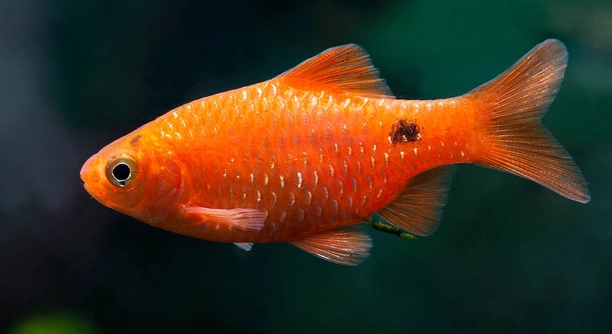
Rosy barbs are popular freshwater fish known for their bright colors and active behavior. Many aquarium enthusiasts enjoy keeping them, but there are times when it is best to leave them undisturbed. Understanding when to avoid interaction can help maintain their health and well-being.
There are specific situations when leaving rosy barbs alone is crucial, such as during illness, spawning periods, or after sudden changes in their environment. Disturbing them at these times can increase stress and negatively affect their recovery and natural behaviors.
Knowing when to give rosy barbs space will help ensure they thrive in your aquarium. The following points explain these key moments clearly and simply.
When Rosy Barbs Are Sick
When rosy barbs become ill, they need time and space to recover without interference. Signs of sickness include lethargy, loss of appetite, and unusual swimming patterns. Handling or disturbing them during this period can increase stress, which worsens their condition. It is best to observe quietly and avoid cleaning the tank or changing water too frequently during recovery. Providing stable water parameters and good nutrition supports healing. If medication is necessary, follow instructions carefully and avoid moving the fish unless absolutely required. Maintaining a calm environment helps reduce stress and promotes faster recovery. Keeping other tank mates from harassing the sick fish is also important. Stress can weaken their immune system and slow down the healing process. Avoid overcrowding the tank and keep feeding light to avoid overworking their digestive system.
Careful observation during illness ensures a better chance of recovery. Giving rosy barbs the space they need is key.
Stress from disturbance can worsen symptoms and prolong recovery time. Respecting their space is essential.
During Spawning Periods
Rosy barbs become more sensitive during spawning. Males may chase females aggressively, and both can be easily stressed by outside interference. Moving or disturbing the tank can cause them to stop spawning or become aggressive. It is important to leave them alone and avoid adding new fish or decorations at this time. Spawning typically lasts several days, during which time they require calm surroundings. Providing plenty of plants or spawning mops gives them safe spaces to lay eggs. If you notice increased chasing or hiding, avoid interacting with the fish. Interrupting this process can lead to stress-related health problems. After spawning, the fish often need time to rest and recover before returning to normal behavior. Giving them privacy during this sensitive phase helps ensure successful breeding and healthier fish overall.
Allowing rosy barbs undisturbed time during spawning benefits their health and breeding success. Patience during this phase is important.
Avoiding disturbance during spawning reduces aggression and supports natural behavior. Calm environments lead to healthier outcomes.
After Introducing New Fish
Introducing new fish can stress rosy barbs, making them more vulnerable to illness. They may hide or act aggressively when new tank mates arrive. It is best to avoid handling or disturbing the barbs during this adjustment period.
New fish bring changes in water chemistry, behavior, and social dynamics that affect rosy barbs. They need time to adapt to the altered environment without added stress. Interacting with them too much can increase aggression or cause hiding, which disrupts their normal routine. Providing plenty of hiding spots and maintaining stable water conditions helps reduce tension. Avoid rearranging decorations or changing water during this time, as it adds unnecessary stress. Observing quietly ensures they settle without interruption, helping the entire tank adjust more smoothly.
Giving rosy barbs space after introducing new fish supports their well-being. Avoiding extra disturbance during this period helps maintain tank harmony and health.
During Water Changes and Cleaning
Water changes are essential but can be stressful for rosy barbs if done abruptly or with too much disturbance. Sudden changes in water temperature or chemistry cause shock. It is important to change water slowly and avoid tapping on the tank or sudden movements.
When cleaning the tank, avoid stirring up too much debris or moving decorations drastically. These actions can scare the fish and increase stress levels. Use gentle methods like siphoning slowly and replacing only part of the water at a time. Maintaining consistent water temperature and pH helps keep rosy barbs comfortable. Too frequent or aggressive cleaning disrupts their environment and can lead to illness. Let the fish settle after cleaning before any further interaction. Careful water maintenance preserves their health without causing unnecessary stress. Following these steps ensures your rosy barbs stay healthy and calm.
When They Are Juveniles
Juvenile rosy barbs are more delicate and easily stressed. Handling or disturbing them too much can affect their growth and immune system.
Young fish need a calm environment to develop properly. Avoid sudden changes or excessive interaction to support their health.
During Sudden Environmental Changes
Rapid changes in temperature, lighting, or water chemistry shock rosy barbs. These disruptions cause stress and can weaken their immune system, leading to illness. Maintaining stable conditions is crucial for their well-being. Avoid making sudden adjustments and allow gradual acclimation if changes are necessary. Stress from environmental shifts impacts behavior and health negatively, so keeping a steady tank environment ensures healthier, more active fish.
When They Show Aggression
Aggressive behavior signals stress or overcrowding. Leaving them alone reduces conflicts and prevents injury.
Aggression can increase if the tank is too small or if there are incompatible tank mates. Managing space and social groups helps reduce fights.
FAQ
When should I avoid handling my rosy barbs?
Handling rosy barbs during illness, spawning, or after adding new fish should be avoided. These times increase their stress levels and can delay recovery or disturb important behaviors. It is best to limit interaction and let them settle on their own.
Why do rosy barbs become aggressive sometimes?
Aggression in rosy barbs often occurs due to overcrowding, lack of space, or stress from environmental changes. It can also happen during spawning or when new fish are introduced. Providing enough room and hiding spots reduces conflict.
How do I know if my rosy barbs are stressed?
Signs of stress include hiding, loss of appetite, erratic swimming, or color fading. Stress can lead to illness if not addressed. Maintaining stable water conditions and avoiding sudden changes helps keep them calm.
Can I clean the tank while rosy barbs are inside?
Yes, but do so gently. Avoid stirring up debris or sudden movements. Partial water changes and careful cleaning minimize stress. Keep water parameters stable to prevent shock.
Is it safe to add new fish to a tank with rosy barbs?
New fish can cause stress, so add them slowly and watch interactions carefully. Provide hiding places and monitor water quality. Avoid mixing species with very different temperaments.
How often should I feed rosy barbs?
Feed small amounts twice daily. Overfeeding leads to poor water quality and health problems. Remove uneaten food promptly to avoid tank contamination.
What water conditions do rosy barbs prefer?
Rosy barbs thrive in water with a temperature of 64–72°F (18–22°C), pH between 6.5 and 7.5, and moderate hardness. Stable conditions are essential for their health and behavior.
Should I separate aggressive rosy barbs from others?
If aggression causes injury or stress, separating the aggressive fish or adding more hiding spaces is recommended. Overcrowding can worsen aggression, so maintaining proper stocking levels helps.
How do I know if my rosy barbs are spawning?
Spawning behavior includes chasing, increased activity, and laying eggs on plants or decorations. Males may show brighter colors. Avoid disturbing them during this time to allow successful breeding.
What can cause sudden illness in rosy barbs?
Illness often results from poor water quality, stress, or introducing infected fish. Quarantining new fish and regular water testing reduce risks. Maintaining a clean, stable environment supports their health.
Can rosy barbs live with other fish?
Yes, they usually do well with other peaceful species of similar size. Avoid very aggressive or much larger fish that could harm them. Proper tank size and hiding spots encourage peaceful coexistence.
How long do rosy barbs live?
With proper care, rosy barbs typically live 5 to 7 years. Good water quality, proper diet, and low stress contribute to a longer lifespan.
What should I do if my rosy barbs refuse to eat?
Loss of appetite can signal stress, illness, or poor water conditions. Check water parameters and watch for other symptoms. Offer a variety of foods and reduce feeding frequency temporarily.
Are rosy barbs sensitive to water changes?
Yes, sudden or large water changes can stress them. Perform partial changes slowly and ensure new water matches tank temperature and chemistry to minimize shock.
How can I reduce stress for my rosy barbs?
Keep a stable environment, avoid sudden changes, provide hiding places, and maintain proper tank size. Minimize handling and disturbances, especially during sensitive periods like illness or spawning.
Rosy barbs are lively and colorful fish that bring life to any aquarium. While they are generally hardy, there are specific moments when it is best to leave them alone. Giving them space during these times helps reduce stress and supports their overall health. Stress can weaken their immune system, making them more prone to illness and affecting their behavior. Understanding when to avoid disturbing rosy barbs is an important part of caring for them well.
Periods such as sickness, spawning, or after introducing new fish are especially sensitive for rosy barbs. During illness, they need calm surroundings to recover without added stress. Spawning requires privacy so they can complete their natural breeding behavior without interruption. When new fish join the tank, rosy barbs need time to adjust to changes in their environment. Disturbing them in these moments can cause aggression, hiding, or even health problems. Providing a stable and peaceful environment during these times is essential.
Regular tank maintenance and proper care routines also affect how comfortable rosy barbs feel. Sudden water changes, excessive handling, or overcrowding can all cause stress. Keeping the tank clean, maintaining stable water conditions, and providing enough space are key to their well-being. It is important to observe the fish quietly and only intervene when necessary. Respecting their needs for space and calm will help rosy barbs thrive and bring lasting enjoyment to your aquarium.

Hello,
If you enjoy the content that we create, please consider saying a "Thank You!" by leaving a tip.
Every little bit helps us continue crafting quality advice that supports the health, happiness, and well-being of pets around the world, for pets of all shapes, sizes, and species.
We really appreciate the kindness and support that you show us!