
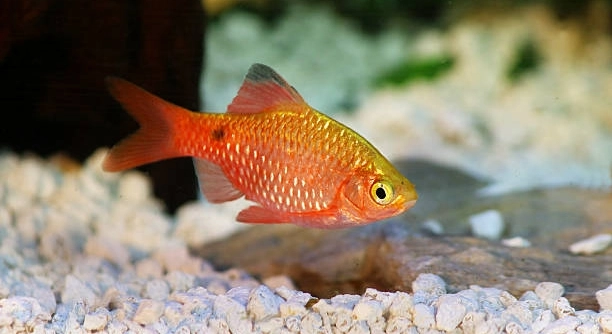
Rosy barbs are lively fish that often swim around the middle or top of the tank. Sometimes, they suddenly rush down to the bottom, catching the attention of many aquarium owners. This behavior can seem surprising but has understandable causes.
Rosy barbs rush to the bottom primarily due to changes in water conditions, stress, or a need for shelter. Low oxygen levels, sudden temperature shifts, or the presence of predators can prompt this quick movement as a survival response.
Recognizing these triggers can help maintain a healthy tank environment and improve your rosy barbs’ comfort and wellbeing.
Causes of Sudden Movement to the Bottom
Rosy barbs may rush to the bottom because of changes in their tank environment. One common cause is low oxygen levels in the water. When oxygen is scarce near the surface, they move down where it might be higher. Another reason is stress from sudden noises or bright lights. These fish are sensitive to their surroundings and can react quickly to anything unusual. Temperature changes can also make them uncomfortable, prompting a quick swim downward. Sometimes, they seek shelter when feeling threatened by other fish or changes in tank decorations. It’s important to observe the tank conditions and any changes to understand this behavior better.
This behavior is a natural way for rosy barbs to protect themselves or adjust to their environment.
Knowing these causes can help you create a more stable and comfortable habitat for your fish.
How Water Quality Affects Rosy Barbs
Poor water quality directly affects rosy barbs’ health and behavior.
Water that is dirty or contains harmful chemicals makes the fish stressed and more likely to hide at the bottom. Keeping the water clean and balanced is essential. Regular water changes and testing can prevent problems. Monitoring pH, ammonia, and nitrate levels helps maintain a safe environment. A well-maintained tank means your rosy barbs will swim freely and show their bright colors. Avoid overcrowding as it can worsen water quality and increase stress. Filtration systems must be properly maintained to support clean water. Paying attention to water quality keeps the fish active and happy, reducing sudden movements to the bottom caused by discomfort or poor conditions.
Temperature Changes and Their Impact
Sudden shifts in water temperature can make rosy barbs uncomfortable. They often respond by moving to the bottom where the temperature may feel more stable.
Rapid temperature changes cause stress and disrupt their normal behavior. If the water gets too cold or too warm, their metabolism slows down or speeds up, making them seek calmer areas. Consistent temperature helps keep their immune system strong. Fluctuations can weaken them and lead to illness. Using a reliable heater and thermometer can prevent sudden drops or rises. Gradual adjustments are better when changing tank conditions.
Keeping the temperature steady is one of the simplest ways to support your rosy barbs’ health and reduce sudden rushing behavior. Small changes in water temperature affect how active they feel and where they prefer to swim in the tank.
Stress and Its Role in Behavior
Stress from overcrowding or aggressive tank mates can cause rosy barbs to rush downward.
When the tank is crowded, fish have less space to swim freely, increasing stress levels. Aggressive fish chasing or nipping can also push rosy barbs to seek safety at the bottom. Stress weakens their immune system and affects their behavior, often making them hide more. Providing enough space and peaceful companions is important for their wellbeing. Adding plants or decorations can create hiding spots to reduce anxiety. A calm, stable environment helps keep rosy barbs relaxed and active in all tank areas, preventing sudden escapes to the bottom.
Oxygen Levels in the Tank
Low oxygen levels cause rosy barbs to move to the bottom where oxygen might be slightly better. Poor aeration or overcrowding reduces oxygen availability in the water.
Adding air stones or improving water flow can help increase oxygen levels. Proper tank maintenance is key to keeping oxygen balanced.
Feeding and Bottom Rush Behavior
Rosy barbs may rush to the bottom quickly during feeding times. They often compete for food and swim fast to get their share. Uneaten food sinking to the bottom can attract them as well. Feeding smaller amounts more often can reduce frantic movements and keep fish calmer.
Tank Setup and Environment
A poorly arranged tank with limited hiding spots can stress rosy barbs. Providing plants, rocks, and other decorations creates shelter and reduces sudden rushing behavior. A natural and comfortable environment helps fish feel secure.
Monitoring Fish Health
Regular health checks are important. Illness can cause unusual behavior, including rushing to the bottom. Early detection helps prevent serious problems.
FAQ
Why do rosy barbs suddenly rush to the bottom of the tank?
Rosy barbs rush to the bottom mainly because of stress, changes in water quality, temperature fluctuations, or low oxygen levels. These sudden movements are natural responses to discomfort or threats. They might also seek shelter or avoid aggressive tank mates.
Is rushing to the bottom a sign of illness in rosy barbs?
It can be. If rushing happens along with other symptoms like clamped fins, lethargy, or loss of appetite, it could indicate illness. Parasites, bacterial infections, or poor water conditions often cause unusual behavior. Watching for other signs helps identify if medical attention is needed.
Can tank size affect this behavior?
Yes. A small or overcrowded tank can stress rosy barbs, causing them to behave nervously and rush to the bottom. Providing enough space for swimming and maintaining proper stocking levels reduces stress and abnormal movements.
How often should I check water quality to prevent this behavior?
Checking water parameters weekly is recommended. Testing pH, ammonia, nitrite, nitrate, and temperature helps catch problems early. Clean, balanced water reduces stress and keeps rosy barbs active and healthy.
What can I do if my rosy barbs keep rushing to the bottom?
Start by testing water quality and adjusting temperature. Improve aeration to raise oxygen levels. Reduce stress by removing aggressive fish or overcrowding. Add hiding spots like plants and decorations. Feeding smaller amounts more frequently also helps.
Does feeding affect their rushing behavior?
Yes, feeding time can cause sudden bursts of activity as fish compete for food. Overfeeding or leaving leftover food can worsen water quality and increase stress. Feeding small amounts regularly encourages calmer behavior.
Are there specific tank decorations that help reduce rushing?
Plants, rocks, and caves give rosy barbs places to hide and feel safe. A well-decorated tank reduces anxiety and encourages natural behavior. Avoid sharp objects that could injure the fish during sudden movements.
Can temperature changes cause long-term stress in rosy barbs?
Frequent or sudden temperature changes weaken their immune system and cause ongoing stress. Keeping the water temperature stable within their preferred range supports their health and behavior.
Is it normal for rosy barbs to rush to the bottom occasionally?
Occasional rushing is normal, especially if there is a sudden noise or movement near the tank. However, constant rushing may indicate a problem with water quality, tank mates, or health.
How can I create a better environment to prevent rushing?
Maintain good water quality with regular changes and proper filtration. Provide enough space and peaceful companions. Decorate the tank with plants and hiding spots. Keep the temperature stable and avoid sudden disturbances.
Can poor water oxygen cause fish to gasp at the surface and rush to the bottom?
Yes, low oxygen can make fish gasp at the surface and also cause them to seek lower areas in the tank where water flow might be better. Improving aeration is crucial to prevent oxygen shortages.
What role does stress play in fish behavior?
Stress affects fish health and behavior significantly. It lowers their resistance to disease and causes hiding, rushing, or other unusual actions. Reducing stress through tank setup and stable conditions helps keep rosy barbs healthy.
How important is filtration for preventing rushing behavior?
Filtration keeps the water clean and oxygenated. A good filter removes waste and harmful chemicals that stress fish. Proper filtration reduces sudden rushing caused by poor water conditions.
Can aggressive tank mates cause rosy barbs to rush to the bottom?
Yes, aggressive or territorial fish may chase rosy barbs, causing them to hide or rush to the bottom for safety. Choosing peaceful companions is important for their wellbeing.
What signs show that my fish are stressed or unhappy?
Signs include hiding often, rapid darting movements, loss of appetite, faded colors, and unusual swimming patterns like rushing to the bottom. Observing these helps detect problems early.
How do I safely adjust tank temperature?
Make changes slowly over several hours to avoid shocking the fish. Use a reliable heater and thermometer to monitor temperature. Sudden changes are harmful and trigger stress behaviors.
Is it helpful to add plants for oxygen?
Yes, live plants produce oxygen during the day and provide shelter. They improve water quality and create a more natural environment that reduces stress and rushing.
Can overcrowding lead to health problems besides rushing behavior?
Overcrowding raises waste levels, lowers oxygen, and increases stress, leading to disease and shorter lifespans. Adequate space is essential for healthy, calm fish.
How can I tell if water parameters are safe?
Ideal parameters for rosy barbs include pH 6.5–7.5, temperature 64–72°F (18–22°C), ammonia and nitrites at 0 ppm, and nitrates below 20 ppm. Regular testing ensures these levels are met.
What should I do if water parameters are off?
Perform partial water changes, adjust filtration, and avoid overfeeding. Correct imbalances gradually to protect your fish and prevent rushing caused by poor conditions.
When rosy barbs suddenly rush to the bottom of the tank, it usually means they are reacting to something in their environment. This behavior is often caused by stress, changes in water quality, or temperature shifts. It can also happen when oxygen levels are low or when there are aggressive fish nearby. Understanding these reasons helps to keep the tank comfortable and safe for your rosy barbs. By watching their behavior carefully and maintaining good tank conditions, you can reduce the chances of sudden rushing and keep your fish calm.
Maintaining water quality is one of the most important steps to prevent sudden movements in rosy barbs. Regular testing for pH, ammonia, nitrite, and nitrate levels is necessary to ensure a healthy environment. Changing water regularly and keeping the tank clean helps keep these parameters stable. A well-functioning filter also plays a big role in removing waste and keeping oxygen levels balanced. Temperature should be kept steady because sudden changes can stress the fish and affect their behavior. Using a heater and thermometer to monitor the tank can make a big difference.
Creating a calm and natural environment for your rosy barbs also helps them feel secure. Adding plants, rocks, and other decorations gives them places to hide when they feel threatened. Avoid overcrowding the tank, and choose peaceful tank mates to reduce stress. Feeding the fish smaller amounts more often can prevent frantic movements during feeding times. Paying attention to all these factors will help your rosy barbs stay healthy, active, and comfortable, reducing sudden rushing to the bottom. Taking these simple steps makes your tank a better home for your fish.

Hello,
If you enjoy the content that we create, please consider saying a "Thank You!" by leaving a tip.
Every little bit helps us continue crafting quality advice that supports the health, happiness, and well-being of pets around the world, for pets of all shapes, sizes, and species.
We really appreciate the kindness and support that you show us!