
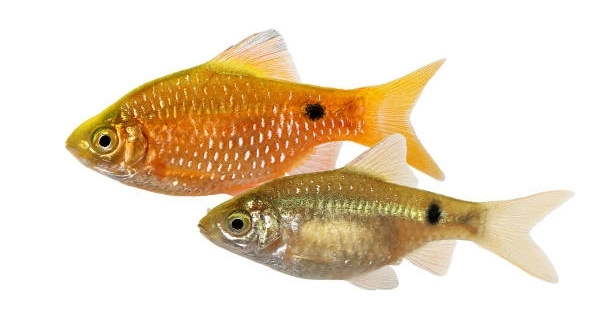
Rosy Barbs are small, colorful fish often seen swimming in groups. Their synchronized movements create a striking display that catches the eye of many aquarium enthusiasts. Watching these fish move together is both calming and fascinating.
The movements of Rosy Barbs align closely due to social behavior and environmental cues, allowing them to swim in perfect sync for safety and communication. This collective motion is a natural adaptation seen in schooling fish species.
Understanding how these fish achieve such harmony reveals much about their behavior and environment. The following details explain the moments when Rosy Barbs truly shine together.
The First Moment of Sync: Morning Swim
In the early morning, Rosy Barbs begin their day with a gentle swim together near the surface of the water. This synchronized movement helps them adjust to the changing light and temperature. It also allows them to stay alert for any signs of danger while searching for food. The fish seem to communicate through subtle movements, which keeps the group close and coordinated. This morning routine sets the tone for the rest of the day and strengthens their social bonds. It’s a natural behavior that supports both survival and comfort in their environment.
This morning swim is often the calmest and most peaceful time for the group, making it easy to observe their sync.
Watching their smooth, flowing motion in the morning highlights the trust they have in each other. The gentle rise and fall of the group show how instinct and timing combine. This early sync also helps them move efficiently when searching for food, saving energy while staying protected.
Sync During Feeding Times
Rosy Barbs swim in tight formations when feeding, which helps them spot food quickly.
During feeding, these fish display remarkable coordination that reduces competition. They swim close together, often darting as one toward floating food or insects. This group movement keeps all members alert and ready to react to changes in the environment. It also minimizes the chance of any fish being left out or caught by predators. Feeding sync shows how social behavior benefits their survival by improving foraging success and safety. This tight coordination makes feeding times one of the clearest examples of their natural ability to move as one.
Their feeding behavior not only boosts their chance of catching food but also strengthens group unity. The constant adjustments and timing create a smooth rhythm that’s impressive to watch and important for their well-being.
Sync During Escape Responses
Rosy Barbs react instantly when sensing danger by moving together in tight, fast groups. This sudden sync helps confuse predators and increases their chances of survival.
When threatened, the entire school quickly changes direction almost as if controlled by a single mind. Each fish mirrors the movements of its neighbors, creating waves of motion that ripple through the group. This collective behavior makes it harder for predators to target an individual. The rapid, synchronized response relies on keen awareness and split-second timing. It is a natural defense mechanism that improves survival odds by presenting a united front and avoiding isolation.
This escape response is not random but a finely tuned system developed through evolution. It shows how crucial communication and coordination are for Rosy Barbs, especially under stress. The strength of their sync becomes most obvious in these moments of sudden movement.
Sync in Resting Phases
Rosy Barbs often rest in close groups, maintaining gentle sync to stay safe.
During rest, they stay close to each other in slower, softer movements. This closeness offers protection by reducing chances of being singled out by predators. Resting in sync also keeps the group connected, which helps with quick responses if danger arises suddenly. The gentle, coordinated motion during these quiet times conserves energy while maintaining alertness. This behavior reflects their constant need to balance safety with rest, demonstrating the importance of synchronization beyond active swimming periods. Being together helps Rosy Barbs feel secure even when they slow down.
Sync During Mating Season
Rosy Barbs increase their synchronized swimming during mating season to strengthen pair bonds. This helps with mate selection and coordination.
The coordinated movements also reduce stress and improve chances of successful spawning by keeping the group calm and united.
Sync When Exploring New Areas
When exploring unfamiliar parts of their habitat, Rosy Barbs stay tightly grouped. This careful sync protects them from unseen threats and helps navigate safely through new surroundings.
Their synchronized swimming acts as a collective guide, allowing the group to adjust quickly and avoid dangers while exploring.
Sync in Strong Currents
Rosy Barbs swim closely together in strong currents to maintain control and avoid drifting apart.
This tight formation helps them conserve energy by reducing the force of water resistance on each fish.
FAQ
Why do Rosy Barbs swim in sync?
Rosy Barbs swim in sync mainly for protection and communication. Moving together as a group helps them avoid predators by confusing threats and reducing the chance of any one fish being singled out. This synchronized movement also helps them share information quickly, such as the location of food or danger, making the whole group more efficient and safer.
How do Rosy Barbs communicate while swimming?
They communicate mostly through body language and subtle changes in movement. When one fish changes direction or speed, others nearby quickly follow. This creates waves of motion that ripple through the group, allowing the whole school to react almost instantly. This silent communication is key for maintaining their tight formation.
Is synchronized swimming natural for all fish?
Not all fish swim in sync like Rosy Barbs do. This behavior is common in schooling species where safety in numbers is important. Fish that live alone or in small groups don’t need to coordinate their movements as closely. For schooling fish, sync is a survival strategy developed over time.
Does water temperature affect their synchronized swimming?
Yes, water temperature can influence their behavior. Rosy Barbs tend to be more active and show clearer synchronization in comfortable temperature ranges, usually between 72°F and 78°F. If the water is too cold or too warm, their movements may slow down, making their sync less noticeable.
Can stress disrupt their synchronized movement?
Stress from sudden changes in the environment, poor water quality, or aggressive tank mates can disrupt the smooth swimming of Rosy Barbs. When stressed, they may scatter or swim erratically, breaking the usual patterns of sync. Keeping their environment stable helps maintain their natural behavior.
How does tank size impact their sync?
A larger tank allows Rosy Barbs more space to swim freely, which supports better synchronized movement. If the tank is too small, they may become cramped and unable to move as smoothly together. Space is important for them to practice their natural schooling behavior.
Do Rosy Barbs synchronize only in groups of a certain size?
They typically swim best in groups of six or more. Smaller groups may not show as strong synchronization because the social cues are fewer and less reliable. Larger groups improve the clarity of their coordinated movement, making the sync more visible.
Can synchronized swimming help Rosy Barbs during breeding?
Yes, synchronized swimming plays a role during breeding by helping pairs stay close and coordinated. This reduces stress and makes spawning easier. The group’s sync also keeps them safe during this vulnerable time.
What happens if one fish leaves the group?
If a Rosy Barb leaves the group, it becomes more vulnerable to predators. The fish may quickly try to rejoin the school to regain the protection and social benefits of synchronized swimming. Isolation is risky for these fish.
Is their synchronization affected by lighting?
Lighting can affect their visibility and behavior. Moderate lighting helps Rosy Barbs see each other clearly, supporting better sync. Too bright or too dim light may disrupt their ability to coordinate movements properly.
Are there differences in sync between wild and aquarium Rosy Barbs?
Wild Rosy Barbs often show stronger and more natural synchronization because of the larger, more varied environment. In aquariums, sync may still be present but can be limited by tank size, water quality, and group size. Providing conditions close to their natural habitat helps maintain their behavior.
How do Rosy Barbs maintain sync in fast water currents?
They swim closely together to reduce the force of the current on each fish. This tight grouping helps them conserve energy and maintain control, allowing the whole group to move as one even in challenging water conditions. It’s a practical way to stay together and safe.
Can Rosy Barbs synchronize with other fish species?
They mostly sync with their own kind. Different species often have distinct swimming styles and speeds, which makes it hard to move perfectly together. However, they can sometimes loosely swim alongside other peaceful fish without disrupting their own sync.
Does synchronized swimming affect their health?
Synchronized swimming itself doesn’t harm their health. In fact, it supports their well-being by reducing stress and improving safety. When Rosy Barbs can swim together naturally, they tend to be more active and healthier overall.
What should I do if my Rosy Barbs are not swimming in sync?
Check their environment first. Make sure the water quality is good, the tank is large enough, and the group is big enough. Reducing stress and providing hiding spots can help them feel secure. If problems persist, it may be worth consulting an expert on fish behavior.
Rosy Barbs moving in perfect sync is a fascinating behavior that shows how important group coordination is for their survival. Their synchronized swimming is not just about looking good; it helps protect them from predators, find food more efficiently, and stay connected with each other. Whether they are swimming in the morning, feeding, escaping danger, or resting, their movements are carefully timed and shared within the group. This natural harmony reflects how these fish rely on teamwork and communication in their daily lives.
This behavior also highlights the importance of a good environment for Rosy Barbs to thrive. Clean water, proper temperature, enough space, and having a suitable group size all contribute to their ability to swim in sync. When these conditions are met, their natural behavior shines through. On the other hand, stress or poor tank conditions can disrupt their harmony and cause them to scatter or swim erratically. Understanding these needs can help anyone caring for Rosy Barbs create a healthy and comfortable home where the fish can move freely and safely together.
Overall, watching Rosy Barbs swim in perfect sync offers a glimpse into the natural world of fish behavior. It reminds us how animals use group movement to stay safe and work as a team. This simple, yet powerful, behavior is a result of evolution and adaptation that helps Rosy Barbs survive in the wild and feel secure in captivity. Providing the right care and environment allows these fish to continue showing their amazing synchronized swimming, making them a joy to observe and learn from.

Hello,
If you enjoy the content that we create, please consider saying a "Thank You!" by leaving a tip.
Every little bit helps us continue crafting quality advice that supports the health, happiness, and well-being of pets around the world, for pets of all shapes, sizes, and species.
We really appreciate the kindness and support that you show us!