
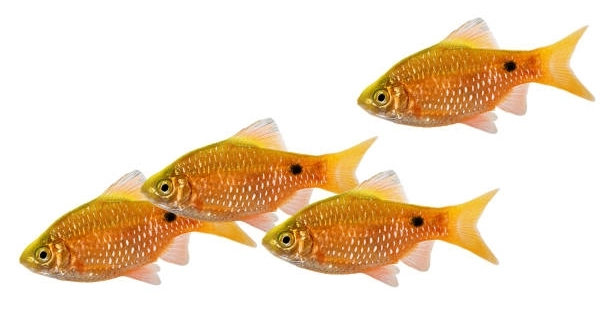
Rosy barbs are popular freshwater fish known for their lively behavior and bright colors. Many fishkeepers enjoy watching how these fish interact with their tanks. Observing their habits can be both relaxing and educational.
Rosy barbs do not typically form attachments to specific tank items. Instead, they respond to the overall environment, using decorations and plants mainly for shelter and exploration rather than bonding with objects. Their behavior focuses more on movement and social interaction.
Understanding how rosy barbs interact with their environment can help create a better home for them. Paying attention to their preferences supports a healthier, more stimulating tank setup.
How Rosy Barbs Use Their Environment
Rosy barbs enjoy exploring their tanks actively, swimming around plants, rocks, and decorations. They often use these items as hiding spots when they feel stressed or need a break from bright light. These fish don’t bond with any particular object but rather with the general layout of their tank. Providing a variety of places to swim through and around helps keep them engaged and reduces boredom. Smooth rocks and live or artificial plants offer natural spots for resting or darting between. It’s important to arrange tank items in a way that creates open swimming areas while also including some cover. This balance supports their natural instincts without causing frustration. Tank setup plays a big role in their overall health and behavior, making it easier to observe their lively, curious nature.
Rosy barbs use tank items mainly for shelter and exploration, not attachment. Their environment should offer variety and space.
Good tank design keeps rosy barbs active and healthy. Including different textures and hiding spots mimics their natural habitat. Smooth surfaces help prevent injury, and plants provide shade and comfort. Watching how they use the space shows what they prefer, which can guide future changes. Adjusting decorations occasionally can keep their environment stimulating. These fish thrive in groups, so tank layout should accommodate several individuals comfortably. Overall, a well-arranged tank encourages natural behaviors like chasing, hiding, and resting, which are signs of happy rosy barbs.
Signs of Comfort and Attachment in Rosy Barbs
While rosy barbs do not form emotional attachments to tank items, they do show comfort with familiar surroundings. Fish may return frequently to certain spots if they feel safe there. These preferred areas offer security rather than a true bond.
Familiar tank layouts reduce stress in rosy barbs, helping them feel more secure. Stability in the environment supports their well-being.
When tank elements stay consistent, rosy barbs learn the layout and feel less threatened. They recognize safe zones and resting places, which can lead to repeated visits in specific areas. Unlike mammals, fish do not bond emotionally with objects but rely on their senses to evaluate safety. If items are moved too often, fish may become unsettled and show signs of anxiety or hiding. Keeping decorations steady, yet occasionally refreshed, maintains both security and interest. Understanding this helps in designing tanks that meet both the physical and psychological needs of rosy barbs, promoting a peaceful aquatic home.
Common Tank Items Rosy Barbs Interact With
Rosy barbs often swim around plants, rocks, and driftwood in their tanks. These items create hiding spots and areas to explore, which help keep the fish active and comfortable.
Plants provide shade and places to rest. Rocks and driftwood add texture and boundaries that make the tank feel more natural. Rosy barbs may dart between these objects, using them to escape bright light or other fish. Smooth decorations are best to avoid injury. These items help reduce stress and mimic the fish’s natural environment, encouraging natural behaviors like swimming through and hiding.
Regularly observing how your rosy barbs use these items can guide you in choosing or rearranging decorations. If they ignore certain areas, consider changing or removing those objects. Providing variety while maintaining open swimming spaces ensures they remain engaged and healthy.
Effects of Tank Setup Changes on Rosy Barbs
Rosy barbs can become unsettled when tank decorations are moved frequently. Sudden changes may cause stress and hiding behaviors. Keeping a stable environment supports their well-being.
Introducing new items slowly allows fish to adjust without anxiety. When rearranging decorations, do it gradually to help rosy barbs feel secure. Drastic changes may lead to avoidance of certain areas or reduced activity. Stability in tank setup creates a sense of safety, which is important for these social fish. Monitoring their behavior after changes ensures they adapt well. A well-planned tank setup supports both physical health and natural behavior patterns.
How Lighting Affects Rosy Barbs’ Interaction with Tank Items
Lighting influences how rosy barbs use tank decorations. Bright light may encourage them to seek shelter under plants or rocks to feel safe.
Dim or moderate lighting helps fish explore more freely. Proper lighting balances visibility and comfort, reducing stress and promoting natural activity in the tank.
Choosing Safe and Suitable Tank Items
Selecting smooth, non-toxic decorations is essential to prevent injury or health issues for rosy barbs. Avoid sharp edges and materials that could leach harmful substances. Natural items like driftwood and live plants are ideal, as they create a safer and more stimulating environment for the fish.
Tank Size and Its Impact on Rosy Barbs
Larger tanks allow rosy barbs more space to swim and explore, reducing stress. A spacious environment supports healthier behavior and encourages interaction with tank items.
Avoiding Overcrowding in the Tank
Too many fish or decorations can overwhelm rosy barbs. Overcrowding limits swimming space and increases stress, making it harder for fish to use tank items comfortably.
FAQ
Can rosy barbs get attached to specific tank items?
Rosy barbs do not form emotional attachments to individual tank items. They may show preference for certain spots that feel safe or comfortable, but this is based on environment familiarity, not attachment. Their behavior focuses more on exploring and using objects for shelter or hiding rather than bonding with them.
Why do rosy barbs hide under decorations?
Hiding under decorations is a natural behavior for rosy barbs. It helps them feel secure when they sense stress or bright light. Providing ample hiding places reduces anxiety and allows fish to rest. Rocks, plants, and driftwood all serve as ideal shelters.
How often should I rearrange tank decorations for rosy barbs?
It’s best to keep the tank layout stable. Frequent rearranging can stress the fish and disrupt their comfort zones. If changes are necessary, do them gradually, so rosy barbs can adjust without anxiety.
Are live plants better than artificial ones for rosy barbs?
Live plants offer benefits like natural filtration and oxygenation, creating a healthier tank environment. They also provide more natural hiding spots. Artificial plants can work but may lack the benefits of live vegetation and sometimes have rough edges.
Do rosy barbs prefer certain types of tank items over others?
Rosy barbs usually prefer smooth decorations without sharp edges. Natural materials like driftwood and plants are favored since they mimic their natural habitat. They use items mainly for shelter and exploration, so variety in the tank helps keep them interested.
What role does tank size play in how rosy barbs interact with items?
A larger tank allows rosy barbs more space to swim and explore. This reduces stress and supports natural behavior. In smaller tanks, fish might feel confined and less likely to use decorations comfortably.
Can rosy barbs get stressed if tank items are too crowded?
Yes, overcrowding decorations or fish can cause stress. Limited swimming space and too many hiding spots make it harder for rosy barbs to move freely and interact naturally. Keeping the tank balanced supports their health and well-being.
How does lighting affect rosy barbs’ use of tank items?
Bright lighting often pushes rosy barbs to seek shade under plants or rocks. Moderate lighting encourages more active exploration. Adjusting light levels helps manage their comfort and reduces stress.
What is the best way to introduce new tank items to rosy barbs?
Introduce new decorations slowly. Place them in the tank and give the fish time to adjust. Sudden changes may cause hiding or avoidance behavior. Gradual introduction maintains a stable environment and helps fish feel secure.
Can rosy barbs damage tank items?
Rosy barbs are generally gentle with tank decorations. They may nibble on plants or swim around objects but rarely cause damage. Choosing durable and fish-safe items ensures the tank remains safe and attractive over time.
Do rosy barbs recognize their owners or surroundings?
Rosy barbs can recognize movement and shapes outside the tank but do not form attachments to people or objects like pets do. They respond mostly to changes in light, water quality, and tank setup. Consistency helps them stay comfortable.
How do rosy barbs behave when they feel threatened in their tank?
When threatened, rosy barbs often seek shelter in plants or behind decorations. They may hide or swim quickly to avoid perceived danger. Providing plenty of hiding places minimizes stress and helps them feel safe.
Is it necessary to clean tank items regularly for rosy barbs’ health?
Yes, cleaning tank items prevents algae buildup and harmful bacteria. Regular maintenance keeps the environment healthy. Use gentle cleaning methods to avoid damaging decorations or stressing the fish.
Can changing tank decorations improve rosy barbs’ behavior?
Occasional changes can stimulate curiosity and activity, but too frequent rearrangements cause stress. Finding a balance between stability and new stimuli supports healthy behavior and keeps the tank environment interesting.
Rosy barbs are lively fish that enjoy exploring their tanks. They do not form emotional attachments to specific decorations or items. Instead, they respond to the overall environment and how comfortable it feels. Providing a variety of hiding places and open swimming areas helps keep them active and stress-free. When setting up a tank for rosy barbs, it is important to think about how the fish will use the space, rather than expecting them to bond with particular objects.
A stable tank layout benefits rosy barbs most. Sudden changes or frequent rearrangements can cause them stress and make them hide more often. When changes are needed, making them slowly and carefully helps the fish adjust better. Good lighting and clean decorations also support their well-being. Plants, rocks, and driftwood create a natural environment where rosy barbs feel safe. Choosing smooth and safe materials reduces the risk of injury and keeps the tank healthy for longer.
Understanding how rosy barbs interact with their tanks helps create a better home for them. Watching their behavior gives clues about what they like and need. With proper tank size, stable decorations, and good water conditions, rosy barbs can thrive. Their lively swimming and natural use of tank items show they are comfortable and healthy. By focusing on these factors, you can enjoy caring for rosy barbs and see them flourish in their environment.

Hello,
If you enjoy the content that we create, please consider saying a "Thank You!" by leaving a tip.
Every little bit helps us continue crafting quality advice that supports the health, happiness, and well-being of pets around the world, for pets of all shapes, sizes, and species.
We really appreciate the kindness and support that you show us!