
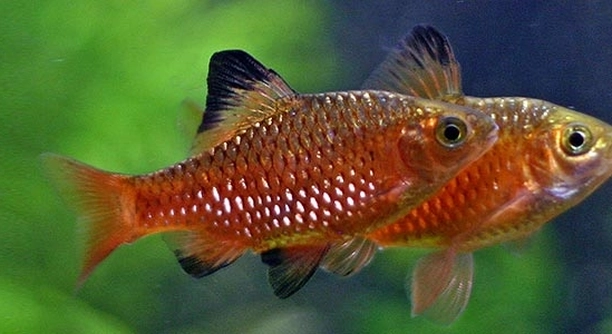
Rosy barbs are lively fish often seen swimming around aquarium filters. Their circling behavior near the filter output can catch the attention of many fishkeepers. Understanding why they do this helps ensure a healthy and comfortable environment for your fish.
Rosy barbs circle the filter output primarily because of the increased water flow and oxygen levels in that area. The movement provides stimulation and a natural current they enjoy, while also helping them stay alert and active within their tank environment.
Observing this behavior closely can reveal important details about your aquarium’s conditions. Learning more will help you keep your rosy barbs happy and thriving.
Why Rosy Barbs Prefer the Filter Output Area
Rosy barbs are naturally drawn to areas with higher oxygen levels, and the filter output is a perfect spot for this. The flowing water near the filter increases oxygenation, which helps them breathe better. This constant movement also mimics their natural habitat, where they would swim against currents. Circling near the filter provides them with stimulation and exercise. It keeps them active and can reduce boredom, which is important for their overall well-being. Sometimes, the filter output can also carry tiny food particles, giving them an additional reason to stick close. Watching them interact with the flow shows how instinctive their behavior is and how important water movement is in a tank. Understanding this helps you provide an environment that supports their natural needs and keeps them healthy.
This behavior is normal and generally indicates a healthy, well-maintained tank environment. It’s a good sign your filter is working properly.
Knowing why rosy barbs stay near the filter can help you optimize tank setup. You might want to adjust the flow strength to keep them comfortable without stressing them. It’s also worth checking if the tank size and water parameters match their needs, ensuring they have enough space to swim freely. Adding plants or decorations away from the filter can create varied swimming zones, helping them explore and rest in calmer spots. Monitoring their activity and adjusting flow when necessary supports their health and happiness.
Potential Issues with Excessive Circling Behavior
Excessive circling around the filter output can sometimes point to tank conditions that need attention. When flow is too strong, it might stress the fish or tire them out. If the water quality is poor, fish may gather near the filter as it provides the cleanest area. Sometimes, tank mates may be aggressive or overcrowding may push rosy barbs toward the filter. It’s important to observe their behavior closely and check water parameters regularly. Correcting these issues can reduce excessive circling and promote balanced tank life.
To reduce stress, adjust the filter flow or create calmer areas within the tank.
If your rosy barbs seem restless or are circling nonstop, testing water quality is crucial. High ammonia, nitrite, or nitrate levels can cause discomfort, making fish seek the freshest water near the filter. Maintaining consistent water changes and proper filtration is essential. Overcrowding or aggressive tank mates also contribute to stress and unusual behavior. Separating aggressive fish or increasing tank size helps. Using decorations or plants to break the water flow can give your rosy barbs options to rest away from strong currents. Careful observation and small tank adjustments often restore natural behavior and improve fish health.
Adjusting Filter Flow for Rosy Barbs
Too strong a filter flow can tire out rosy barbs and cause them to circle excessively. Adjusting the flow helps create a comfortable environment.
Lowering the filter output or redirecting the flow with a spray bar can reduce current strength. This adjustment provides calmer areas in the tank for resting. A moderate flow mimics natural river currents without overwhelming the fish. It also improves oxygen circulation without causing stress. Regularly checking how your fish respond to flow changes ensures they remain comfortable and active.
Creating varied flow zones by adding plants or decorations near the filter softens water movement. This approach balances stimulation and relaxation for rosy barbs. It helps prevent fatigue while keeping them engaged.
Monitoring Water Quality Consistently
Consistent water quality checks prevent issues causing stress near the filter output. Testing parameters like ammonia, nitrite, nitrate, and pH is essential for maintaining a healthy tank. Poor water quality drives fish to stay close to clean water near the filter.
Regular water changes and proper filtration keep the environment safe and balanced. Monitoring ensures early detection of harmful substances before they affect fish behavior. A stable environment reduces excessive circling and supports long-term health. Keeping track of water quality is one of the simplest ways to maintain happy, active rosy barbs.
Creating Hiding Spots Away from the Filter
Adding hiding spots helps rosy barbs feel secure and reduces constant circling near the filter. Plants, rocks, and decorations offer places to rest and explore away from strong currents.
These spots create a balanced environment where fish can choose between activity and calm. This variety supports their natural behavior and reduces stress.
Observing Social Behavior and Tankmates
Rosy barbs are social fish but may react to aggressive or overly active tankmates by seeking refuge near the filter output. Observing interactions helps identify if other fish disturb their comfort.
Ensuring peaceful tankmates and adequate space reduces stress and encourages natural swimming patterns. Compatibility plays a key role in maintaining harmony within the tank.
Importance of Tank Size and Layout
A properly sized tank with thoughtful layout supports rosy barbs’ need for swimming space and flow variety. Smaller or overcrowded tanks often push fish toward the filter area.
Providing enough room and arranging decor strategically allows fish to spread out and enjoy different zones, promoting healthier and calmer behavior.
FAQ
Why is my rosy barb always circling the filter output?
Rosy barbs naturally enjoy the oxygen-rich water and movement near the filter output. Circling helps them stay active and engaged with the current, which mimics their natural river habitats. However, if the behavior seems excessive, it could indicate strong flow, water quality issues, or stress from tankmates.
Is it harmful for rosy barbs to swim near the filter output?
Swimming near the filter output is generally not harmful if the flow is moderate. Strong currents, though, can tire the fish or cause stress. Adjusting the filter’s flow strength can create a safer and more comfortable environment for your rosy barbs.
How can I reduce excessive circling behavior?
Lower the filter flow or redirect it using a spray bar to reduce strong currents. Adding plants or decorations near the filter breaks the flow, providing calmer areas. Make sure water parameters are stable and tankmates are peaceful to prevent stress-related circling.
Could poor water quality cause this behavior?
Yes, poor water quality often causes fish to seek out cleaner areas near the filter output. Regularly test ammonia, nitrite, nitrate, and pH levels. Performing consistent water changes and maintaining proper filtration is essential to keep the tank safe and comfortable.
Are rosy barbs stressed if they keep circling the filter?
Constant circling can be a sign of mild stress, especially if the flow is too strong or the tank is overcrowded. Stress may also come from aggressive tankmates. Observe your fish’s overall behavior and tank conditions, then make necessary adjustments.
Does tank size affect this behavior?
Smaller or overcrowded tanks limit swimming space, often pushing rosy barbs toward the filter area. Providing a tank large enough for free swimming and adding hiding spots or decorations helps balance activity levels and reduces unwanted circling.
Can tankmates influence this behavior?
Yes, aggressive or overly active tankmates can cause rosy barbs to retreat to calmer spots near the filter output. Ensure compatible, peaceful species share the tank to reduce stress and encourage natural social behavior.
How often should I check the filter and water parameters?
Filter maintenance should happen monthly or as recommended by the manufacturer. Water parameters require weekly or biweekly testing to catch any issues early. Regular checks help maintain stable conditions and reduce stress behaviors in fish.
What decorations work best to help reduce circling?
Live or artificial plants, rocks, and caves placed near the filter output create flow breaks and hiding spots. These decorations provide resting areas and help fish feel secure, reducing the need to circle constantly in one place.
Is it normal for rosy barbs to enjoy strong currents?
Rosy barbs do enjoy moderate currents that mimic their natural habitats. However, overly strong currents may cause fatigue and stress. It’s important to find a balance that keeps them active but comfortable.
Can adjusting lighting affect this behavior?
Bright or harsh lighting can stress fish and cause erratic swimming patterns, including circling. Using softer or natural lighting cycles helps maintain calm behavior. Provide shaded areas with plants or decorations to reduce light intensity if needed.
Should I separate a fish that is circling excessively?
Separation is rarely needed unless a fish shows signs of illness or extreme stress. Focus on improving tank conditions, flow, and social harmony first. If a fish continues to show unusual behavior, consider consulting a specialist.
Does temperature play a role in this behavior?
Yes, incorrect water temperature can stress rosy barbs, leading to abnormal swimming patterns. Keep the tank temperature within the recommended range (typically 64–72°F or 18–22°C) to support their health and comfort.
How long should rosy barbs spend near the filter output?
There’s no set time, but healthy rosy barbs usually explore different areas of the tank. If they remain near the filter output all the time, check for potential issues such as flow strength, water quality, or social stress.
Can diet impact their activity levels?
A balanced diet supports energy and overall health, influencing swimming behavior. Poor nutrition may lead to lethargy or restlessness. Feed high-quality flakes, pellets, and occasional live or frozen foods to keep rosy barbs active and healthy.
Final Thoughts
Rosy barbs circling the filter output is a common behavior that often reflects their natural instincts and needs. They are drawn to the moving water and higher oxygen levels in that area, which helps keep them active and healthy. Understanding this behavior is important because it shows how closely their tank environment mimics their natural habitat. When they swim near the filter output, they are responding to water flow and oxygenation, both of which are essential for their well-being. Paying attention to this behavior allows fishkeepers to provide a comfortable space that supports their natural habits.
However, if the circling seems excessive or constant, it could signal issues with tank conditions. Strong water flow, poor water quality, or stress caused by other fish can make rosy barbs behave unusually. In such cases, it is helpful to evaluate the filter’s flow strength, perform regular water tests, and observe interactions between tankmates. Making small adjustments, like lowering flow or adding plants and decorations, can reduce stress and provide calmer zones. These changes create a balanced environment where the fish feel safe and free to swim naturally without being forced to stay near the filter output all the time.
Ultimately, maintaining a healthy and comfortable aquarium requires regular care and observation. Consistent water changes, proper filtration, appropriate tank size, and compatible tankmates contribute to a peaceful setting where rosy barbs thrive. By addressing their circling behavior thoughtfully, fishkeepers can improve their pets’ quality of life. This attention to detail not only benefits the fish but also enhances the enjoyment of keeping a beautiful and lively aquarium. Careful monitoring and small improvements create a space where rosy barbs can swim confidently throughout the tank, reflecting their true, natural behavior.

Hello,
If you enjoy the content that we create, please consider saying a "Thank You!" by leaving a tip.
Every little bit helps us continue crafting quality advice that supports the health, happiness, and well-being of pets around the world, for pets of all shapes, sizes, and species.
We really appreciate the kindness and support that you show us!